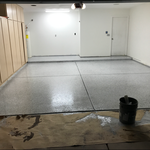
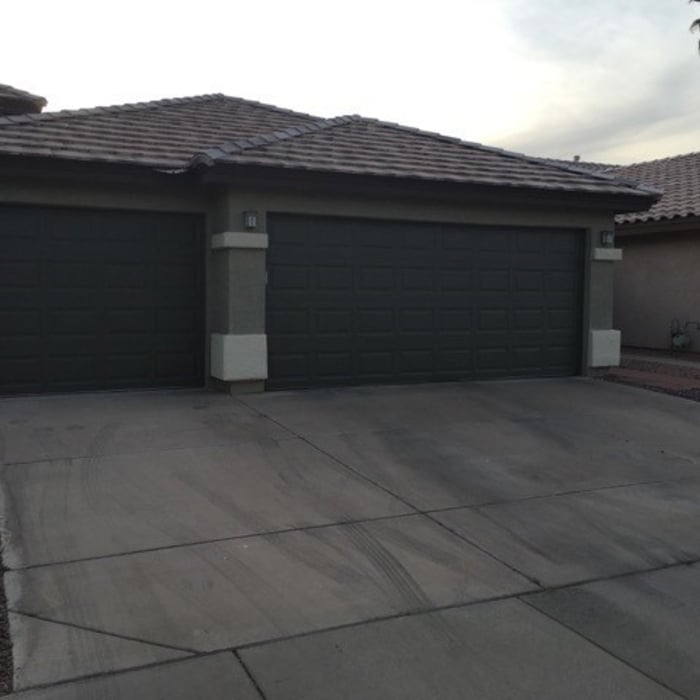
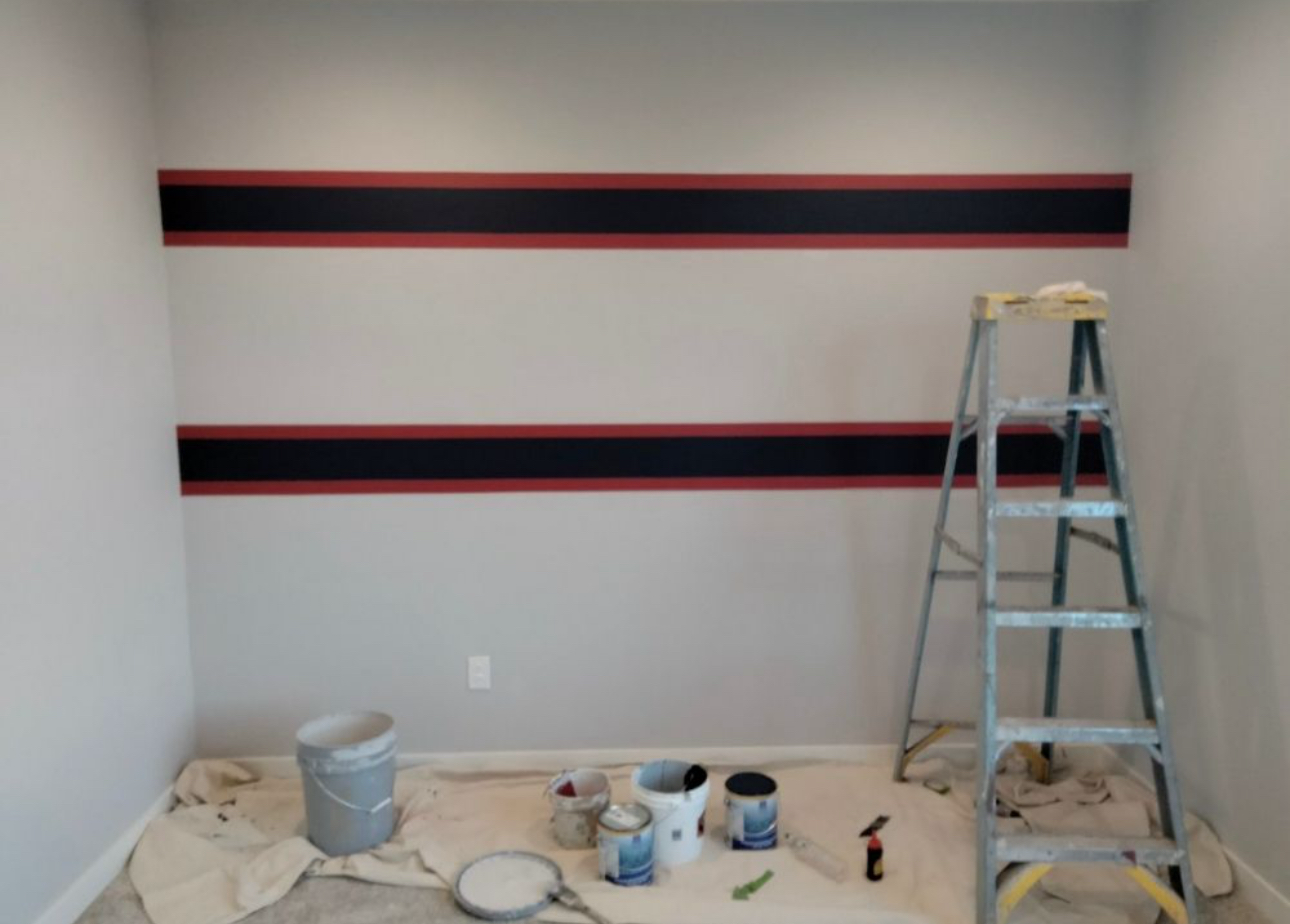
"Absolutely love how my bathroom remodel turned out! The team at Shepherd Contracting was super professional and made the whole process so easy. They worked fast but didn’t cut any corners, and everything looks amazing. Communication was great the whole way through, and they actually stuck to the timeline (which never happens with renovations lol). Plus, they kept everything really clean, which I totally appriciated. If you’re thinking about remodeling, I 100% recommend them!"
"Victor and Ivan are true professionals. Plus, their workers take pride in their work. I hired them to stain my kitchen cabinets, the stain I chose wasn't available so the brothers "matched" the stain of my dining room table, which was perfect!! Everyone was patient with my request and the finished project is absolutely BEAUTIFUL! I also hired them to paint my kitchen island wall to add some interest to owned art, once again they did a fantastic job!! I personally have told coworkers about this company if ever they need a quality painter whom you can trust and will go the extra mile to please their customers. WILL DEFINATELY HIRE AGAIN!!"
"Excellent! Eddie is very responsive to phone calls. He visited my home several times to discuss the job and helped me select colors prior to starting. He and his assistant were very professional. They did a wonderful job painting everything and cleaned up before they left. I would definitely recommend Cityscape Finishes to anyone who is looking to have their home or business painted."
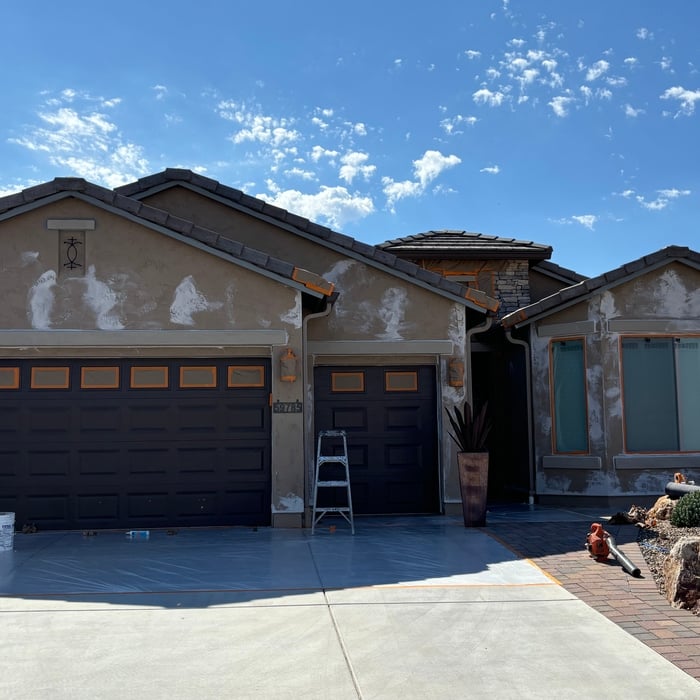
"All of the work was done as described and in a timely manner. Alvaro (president) explained the process and answered any questions we had. The crew was punctual, courteous and respectful of the property. Windows, doors and vigas were taped off, drop cloths were used where material would splatter. After the completion of the project everything was cleaned up and put back in place. The workmanship is outstanding and the house looks brand new."
"Job was done with excellent quality and excellent price. Hire this gentlemen, trust me you’ll be beyond satisfied. He takes lots of pride in his craftsmanship and you can definitely tell by final results."
"They did an amazing job it turned out like a brand new home. They worked as if it was their home with care and precision, lines are crisp and whole house is gorgeous. We will only use Michael and his crew thank you!"
"Nothing but a positive experience from Aaron Trail. Very easy to communicate with. Very prompt, kept all appointments. The new paint looks amazing and just the colors we selected. All stucco repairs that were made were blended so well, there is no way to tell where the original issues were! I already have recommended them to friends and family, I will continue to do so. Very happy with Aaron Trail! "
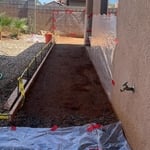
"Jesus and his team extended our cement patio. The work was completed on time with excellence. He is detailed, careful, and does what he says he will do, including leaving the job site clean. I plan on calling him for more work in the future. One more thing, he has a tendency to do more than expected."
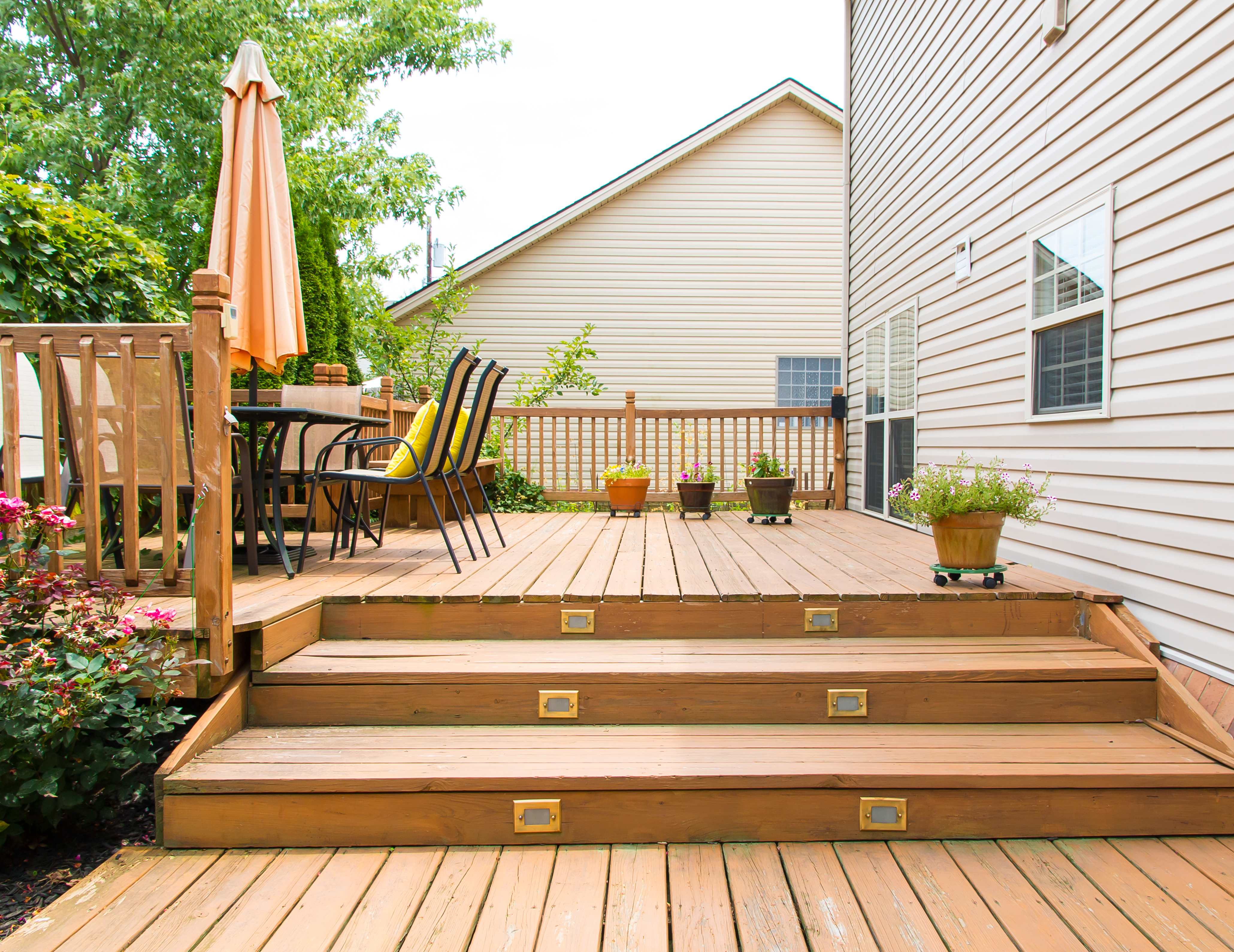
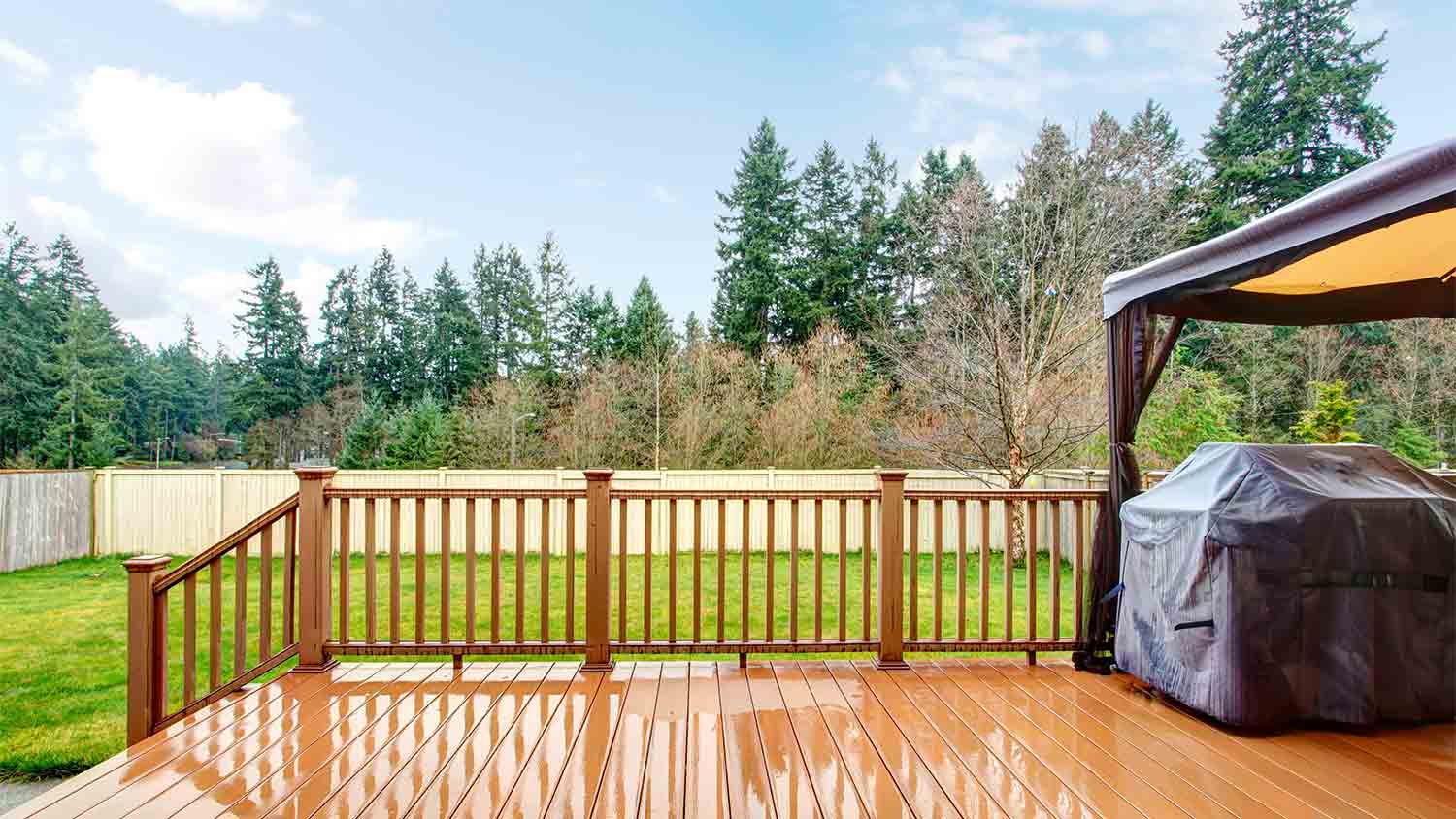
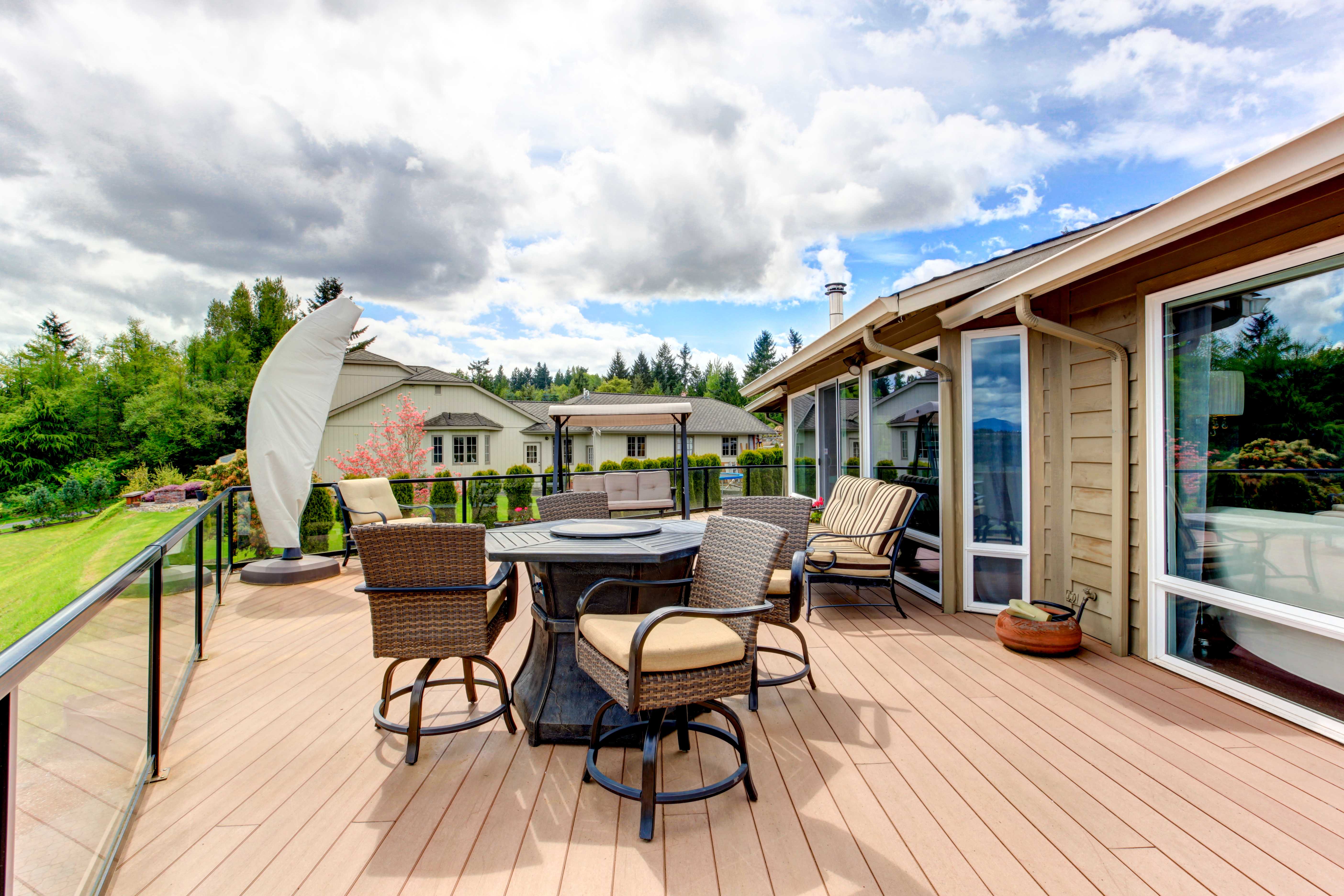
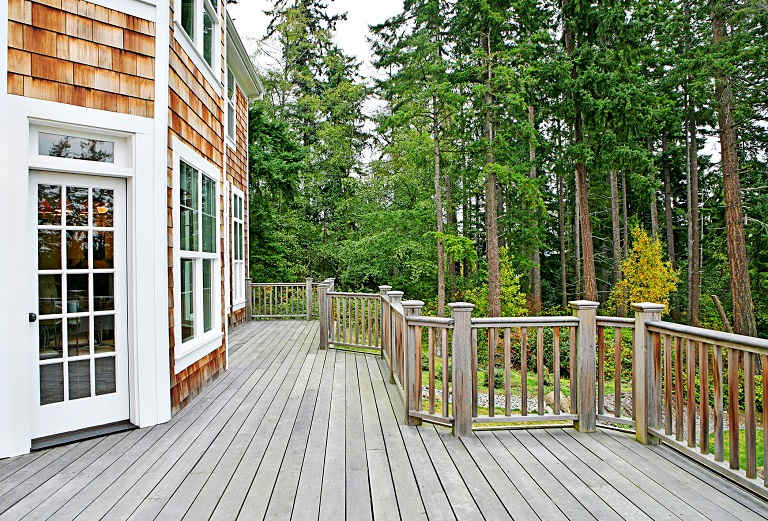
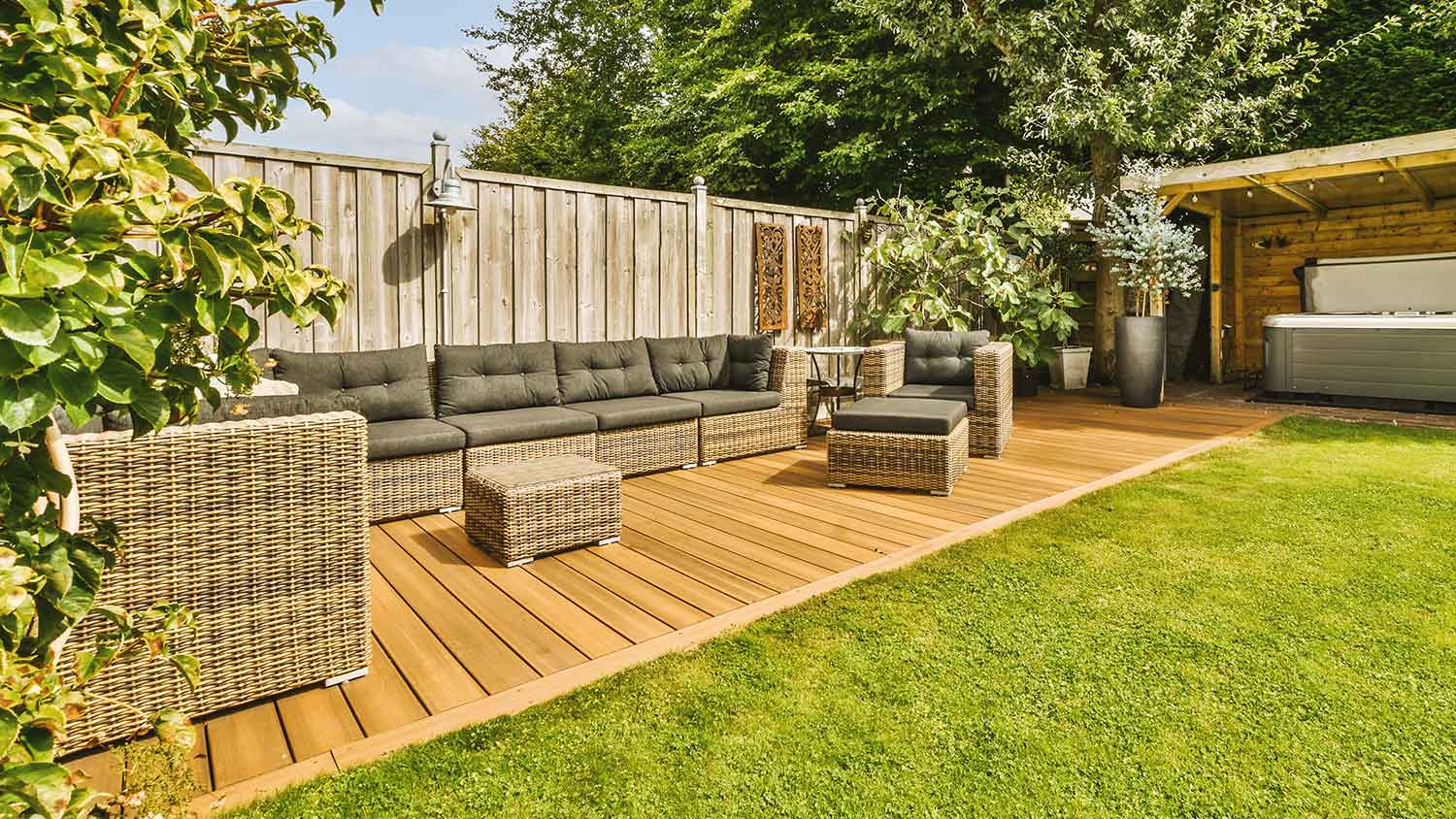
Routine cleaning, sealing/staining, and inspection prolong deck life and appearance.
The best exterior paint for the job of painting your front porch depends on the material you’ll be painting. Acrylic paint is often recommended for a wooden porch as it’s durable and easy to apply. If your porch is made of concrete, you’ll need to find a formula suited to that material.
You can apply stain over peeling stain, but it’s not a good idea. Your old stain will get in the way of your new stain bonding to the wood, so you’re likely going to see the same issue again shortly after application. Your best option is to sand off the old stain and clean the surface thoroughly before applying new stain.
Pressure-treated wood lasts at least 10 years, but with the right care and treatment, it can last as long as 40 years. Painting the boards is one way to increase the lifespan of pressure-treated wood. The layer of paint provides extra protection for the wood against the exterior elements and insects.
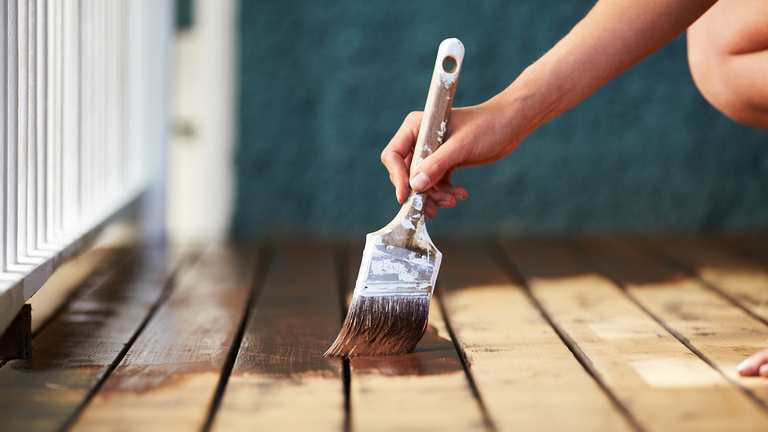
Whether to brush or roll stain on wood depends on the project and your preference. Brushing is ideal for smaller, intricate areas and offers more control over the application, ensuring thorough coverage and penetration into the wood's grain.
Conversely, rolling is efficient for more extensive, flat surfaces and can save time. However, it is not always the best fit for textured or uneven wood. Some projects may benefit from combining both methods, using a brush for detail work and a roller for broader areas. Ultimately, the choice between brushing and rolling depends on the specific requirements of your staining project.
The Dudleyville, AZ homeowners’ guide to deck staining services
From average costs to expert advice, get all the answers you need to get your job done.
The best time to stain a deck is when it’s dry but not too sunny. How often you restain a deck depends on climate and wood type, but every two to three years is normal.