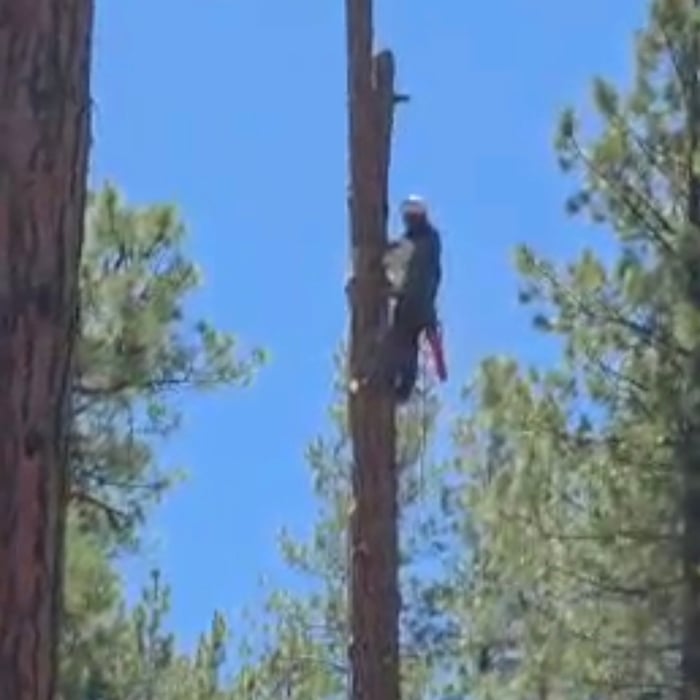
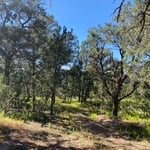
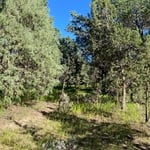
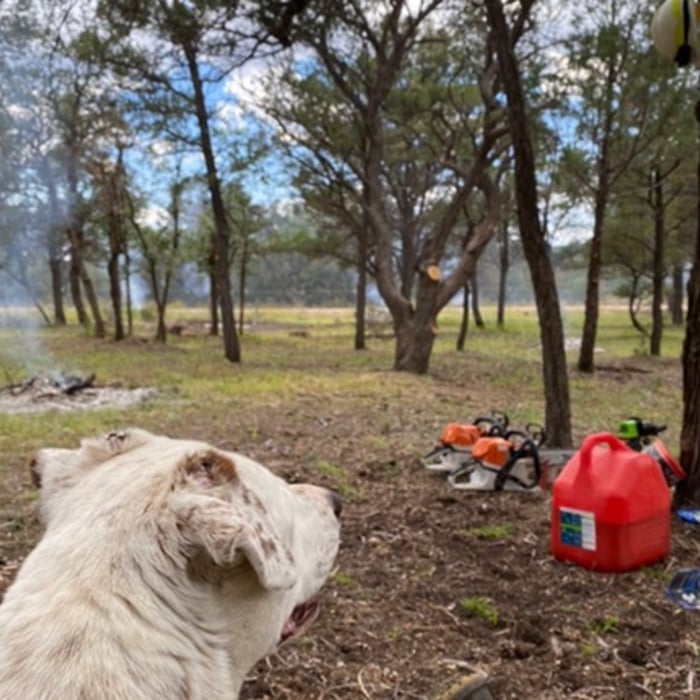
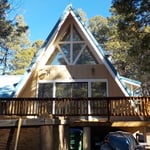
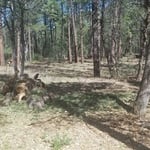
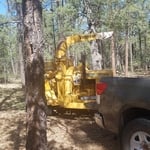
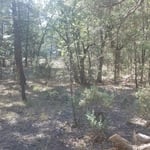
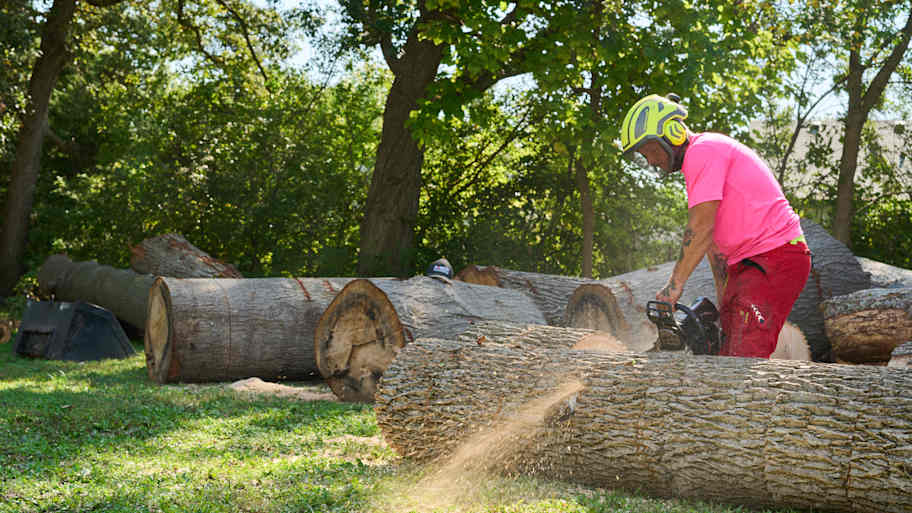
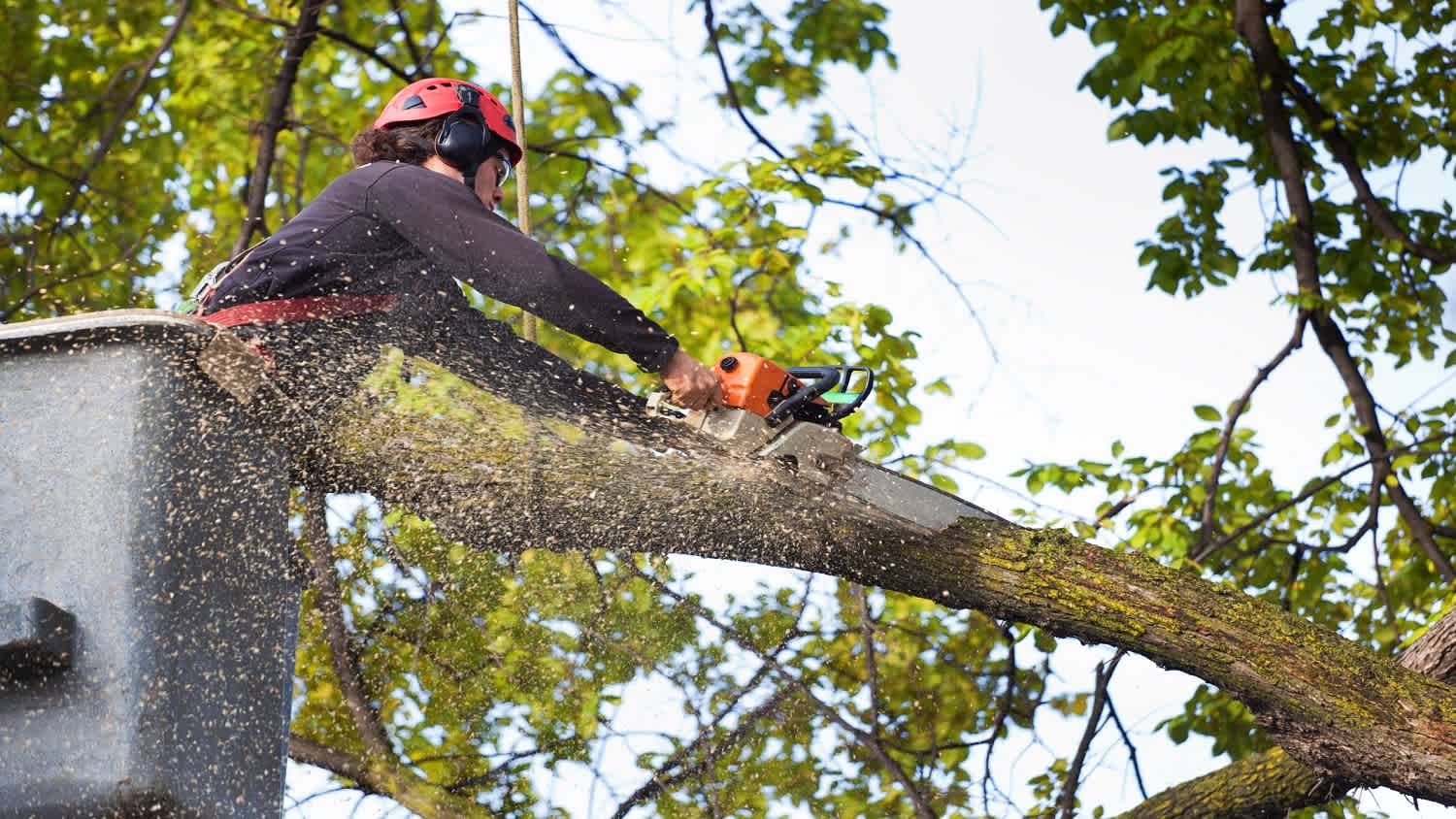
"We are very pleased with the Tree Trimming work that we’re done on four different trees. All of the dead was removed and the trees look beautiful. They were very professional workers. They know how to trim trees."
Hello! My name is Anders, I am the owner/operator of Stump Stompers Co. We have serviced the valley since April 2026 and am happy to travel around the valley and northern Arizona. We operate with a Rayco super jr. Stump grinder so we have no problem with the large tree stump jobs that you have!
When life gets difficult, the last thing you should have to worry about is finding someone you can trust to take care of the work that needs to be done. \n\nMy business is built on three simple promises: quality workmanship, competitive pricing, and genuine care for my customers. I take pride in every job, whether it’s a small repair, a home improvement project, or the kind of unexpected problem that comes at the worst possible time. I believe everyone deserves dependable, honest service—especially during hard times.\n\nAt the end of the day, my only goal is simple: to see my customers happy, satisfied, and confident that they chose the right person for the job.
"Property Has Never Looked better. Can't say enough good things about this company they were professional on time and exceeded our expectations, Living in New Mexico you have to be prepared for fire at a moment's notice we now feel much safer in our home."
"They came by 1st day and did the basic trimming of the trees and smaller things. Next day came and had 4 trees removed in no time while it was snowing and cleaned up. Nice and did what they said they'd do."
"We had two big mulberry trees that needed to be trimmed ( too heavy on top). We appreciated them coming out and their professionalism. We would absolutely love to recommend them to others needing tree services."
A serrated knife will work for cutting off small palm tree fronds, about 1 inch in diameter. For larger fronds, you will need pruning shears. You may also use a pruning saw, and if your palm tree is especially tall, an extended pole saw can help you reach the brown fronds around the trunk.
Tree experts don’t advise against digging through tree roots, but instead encourage caution and consultation with a local arborist to make sure you don’t damage the tree’s structure or interrupt its water or nutrient intake. An arborist can recommend specific practices when digging and help prune the roots or dig a trench for utilities with a tool that can remove soil without touching the tree’s roots.
Whether you grind or dig up and remove your tree stump depends on your landscaping goals. Using a stump grinder leaves the root system in place for it to decompose over time, whereas digging up the tree stump removes the roots and the stump. Overall, stump grinding is a far simpler process since you won’t need to deal with the roots. Stump removal will make your yard look like a demolition site, but you’ll have an easier time replanting in the same place as your former tree.
You may need permission to take a tree down. Check with your local ordinances about rules regarding tree removal and to gain any necessary permits. Check with your local ordinances or the fire department if you plan to burn the stump. Make sure you have all the steps in place before removing the tree, or contact a local tree removal service.
While the trees in your backyard are good for the environment and look beautiful, they could present a danger to your home under the wrong circumstances. This task is typically beyond the capabilities of the average homeowner due to its dangerous nature, so it’s best to leave this task to a professional. In some cities, it’s even illegal to remove a tree yourself.
The Cibecue, AZ homeowners’ guide to tree services
From average costs to expert advice, get all the answers you need to get your job done.
How much does an arborist cost? This guide explains the cost of different services, ongoing expenses, and other factors to consider when hiring an arborist.
Tree inspections can ensure your trees stay healthy and safe, preventing costly damage. Learn how much tree inspections cost and what can affect the price.
Follow these tips to learn how to find a good tree removal service. Doing a little research can help you save time and money when you need to say goodbye to your trees.
You suspect that the leaning oak tree in the back needs to come down, but can you just handle it yourself? Here are the pros and cons of calling a tree service.