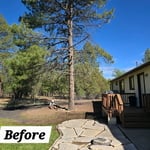
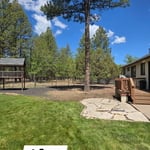
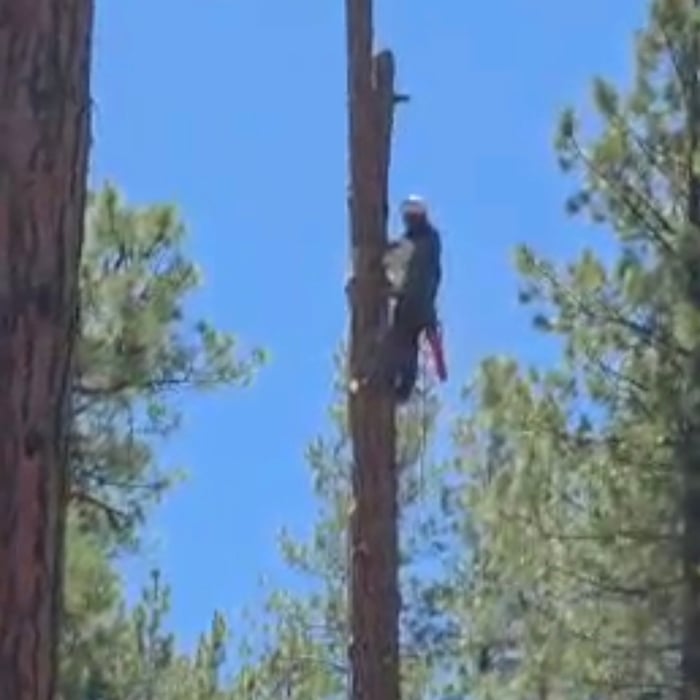
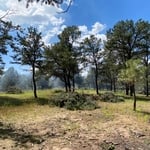
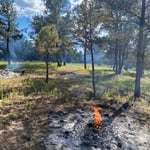
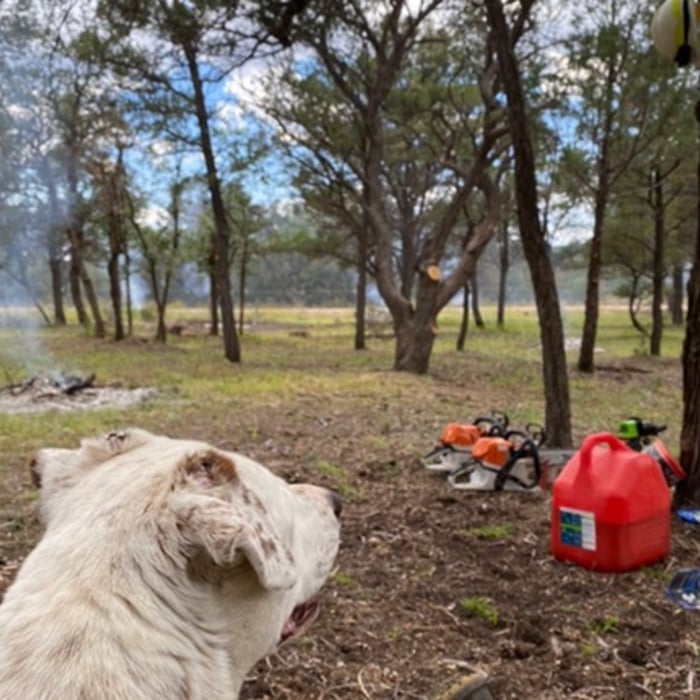
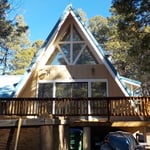
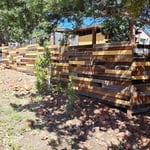
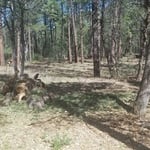
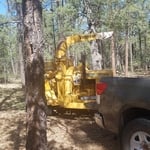
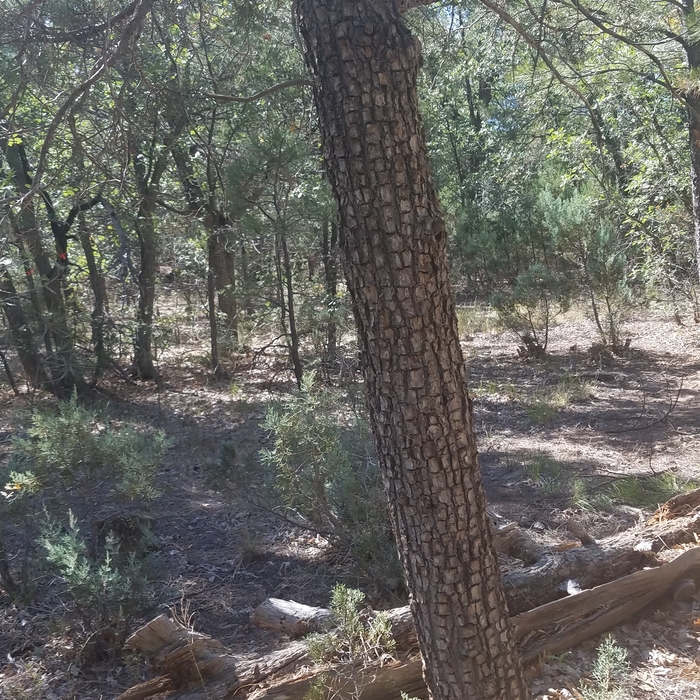
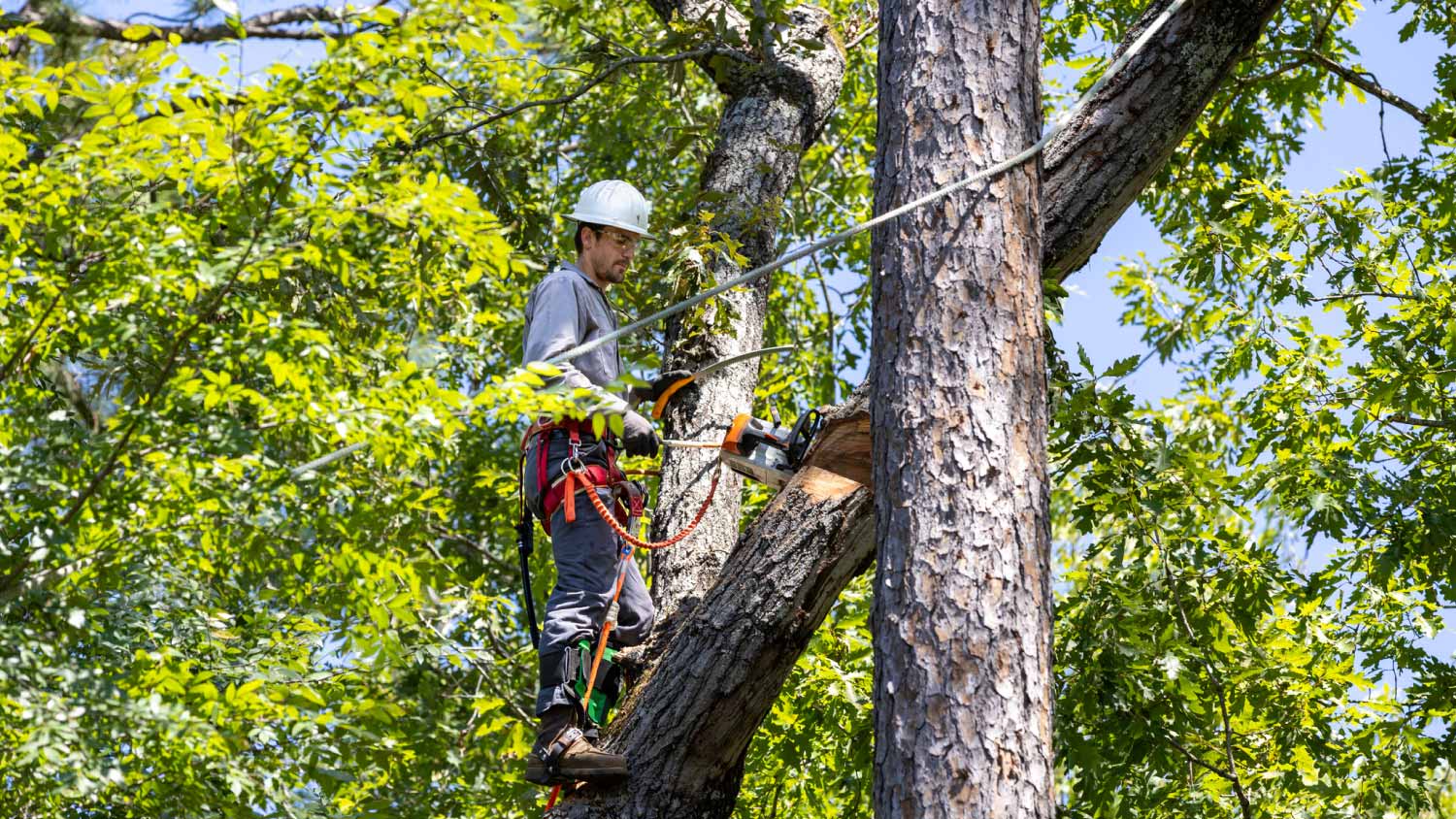
"I needed 2 dead pine trees taken down on my property. Craig was quick to respond to my requests. They came the next morning, gave me a very fair quote, and had the trees down in 2 hours. These were some of the biggest trees.... leaning the wrong way, close to the fence......they assured me it would be done correctly. They dropped those trees exactly where they said. I was so thankful it was done and don't have to worry about them falling anymore. These men are true professionals. They know their job. Highly recommended."
Hello! My name is Anders, I am the owner/operator of Stump Stompers Co. We have serviced the valley since April 2026 and am happy to travel around the valley and northern Arizona. We operate with a Rayco super jr. Stump grinder so we have no problem with the large tree stump jobs that you have!
When life gets difficult, the last thing you should have to worry about is finding someone you can trust to take care of the work that needs to be done. \n\nMy business is built on three simple promises: quality workmanship, competitive pricing, and genuine care for my customers. I take pride in every job, whether it’s a small repair, a home improvement project, or the kind of unexpected problem that comes at the worst possible time. I believe everyone deserves dependable, honest service—especially during hard times.\n\nAt the end of the day, my only goal is simple: to see my customers happy, satisfied, and confident that they chose the right person for the job.
"Jasen takes pride in his work and strives to make his customers happy. He has a vast knowledge base in both handyman services and remodeling and is willing to take on whatever you have for him!"
It depends on the problem, the affected part of the tree, the risk of the pathogen spreading, and the overall health of your tree. Many diseases, fungal infections, and insect infestations can be successfully treated, especially if the issue is only in a few branches. However, if a disease is too widespread, too severe, too easily spread, or in the roots, the tree will likely need to be removed.
While trees can grow in the curb strip between the sidewalk and the street, this placement often poses the problem of interfering with overhead power lines. It’s best to consult your local utility provider and tree planting service before transplanting a tree that might grow into power lines. Also, you should never work within 20 feet of a live power line to avoid the risk of electric shock. Tree branches should never touch nearby power lines, so it’s essential to ensure your tree isn’t in danger of growing too close to them.
Since summer is a busy time for tree companies, the cheapest time of year to remove a tree is during the winter. February and March are typically the prime time to hire a tree removal pro, and some homeowners living in colder climates can save around 20% off services. It depends on location and the company, but you can always shop around for the best deal.
Yes, carefully prune back dead branches—don’t wait for pruning season. This helps keep your maple tree healthy and also helps prevent large branches from falling unexpectedly. Don’t seal the cut branch—trees can naturally take care of these wounds—but be sure to remove any source of fungus or pest infestation to help save the tree.
Local tree removal prices range from $200 to $2,000 overall, but vary depending on:
Local cost of labor and supplies
Accessibility of the tree
Local laws regarding who is allowed to remove the tree
The species of the tree (softer woods are often easier to remove)
Local seasonal discounts for the off-season
The Cibecue, AZ homeowners’ guide to arboricultural services
From average costs to expert advice, get all the answers you need to get your job done.
How much does an arborist cost? This guide explains the cost of different services, ongoing expenses, and other factors to consider when hiring an arborist.
Tree inspections can ensure your trees stay healthy and safe, preventing costly damage. Learn how much tree inspections cost and what can affect the price.
Arborists are specialized tree care experts. This guide will help you hire an arborist with all the qualifications to give your trees the best care possible.