






Top-rated retaining wall installation pros.

Get matched with top retaining wall installation pros in Warren, AR

Enter your zip and get matched with up to 5 pros

Need a pro for your retaining wall installation project in Warren, AR?

Select your specific project to find the pro for you.

Find Retaining wall installation pros in Warren

M&B Construction
New to Angi
Retaining Wall - Install

Serving Warren, AR and surrounding areas

In business since 2001

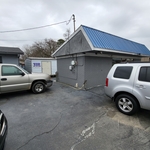
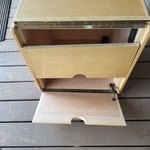
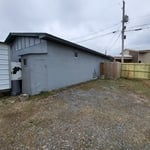
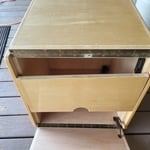
Established in 2001 M&B Construction continues to be a family owned and operated business in Pine Bluff,Arkansas. M&B Construction takes pride in an outstanding record of quality workmanship and careing for our customers. M&B Construction is made up of three divisions. We maintain a home construction and remodeling division were we can accomplish anything from framing , to painting , to tile. and much more inbetween. We also maintain a custom furniture and cabinet shop were we can build anything from kitchen cabinets to outdoor furniture. The third aspect of our company is our metal construction division were we can construct metal buildings and carports for every need.

Showing 1-10 of 11
Retaining Wall Installers questions, answered by experts

The lifespan of a retaining wall varies based on its material, installation quality, maintenance, and local climate, with an average range of 20 to 100 years. Retaining walls made from durable materials like concrete, stone, and brick generally last a minimum of 50 years. Concrete walls typically last between 50 and 100 years, while brick can last for over a century in ideal conditions. Timber retaining walls can last from 20 to 40 years, depending on the wood quality, and pressure-treated wood walls average around 30 years. It is important to note that a retaining wall can fail prematurely if it was poorly constructed, for example, with inefficient footings or without necessary rebar reinforcements.

With foundation walls, the slab on grade and force at the top of the wall is resisted by flooring. With retaining walls, the force at the top of the wall is not resisted.

While vinyl is the least costly material for building a retaining wall, the most cost-effective method is to use wood or concrete blocks for a DIY retaining wall under 2 feet tall. Wood is inexpensive but lasts 20 years or more with care. Concrete can cost a little more but is stronger and will last longer with less maintenance.

Railroad ties can be good for retaining walls, but it depends on the area. They have a desirable rustic look and are durable. The problem is they’re treated with creosote, a preservative the EPA says poses a risk to humans and wildlife. Over time, the preservative seeps out of the wood and into the ground. Many areas have banned the use of creosote-treated wood on residential properties. If your area does allow it, never use railroad ties near an edible garden or drinking water source. Instead, use wood that’s treated with an EPA-approved preservative or a wood-alternative composite material.

To maintain the integrity of your landscape, a retaining wall must be installed if the slope of the angle exceeds 35 degrees. The lean of the wall must be 1 inch per 12 inches in height to disperse the weight of the soil uniformly and guarantee the correct drainage of the soil.

The Warren, AR homeowners’ guide to retaining wall installation services

From average costs to expert advice, get all the answers you need to get your job done.