



Top-rated masons.

Best masons near Texarkana, AR

Enter your zip and get matched with up to 5 pros

Need a pro for your masonry work project in Texarkana, AR?

Select your specific project to find the pro for you.

Top-Rated Masons in Texarkana - Updated Nov 2026

Avatar for Duraplex LLC
Duraplex LLC
4.5(
45
)
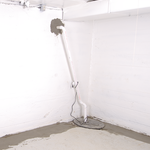
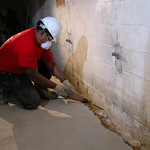
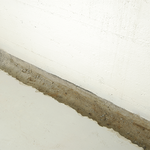
Basement Drainage Channels - InstallBasement Drainage Channels - RepairConcrete Foundation - Raise+3 more

Serving Texarkana, AR and surrounding areas

In business since 2006

Free estimates

Emergency services offered

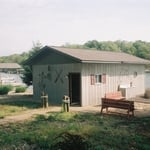
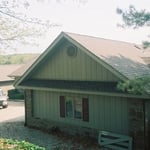
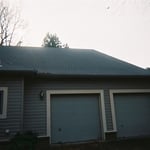
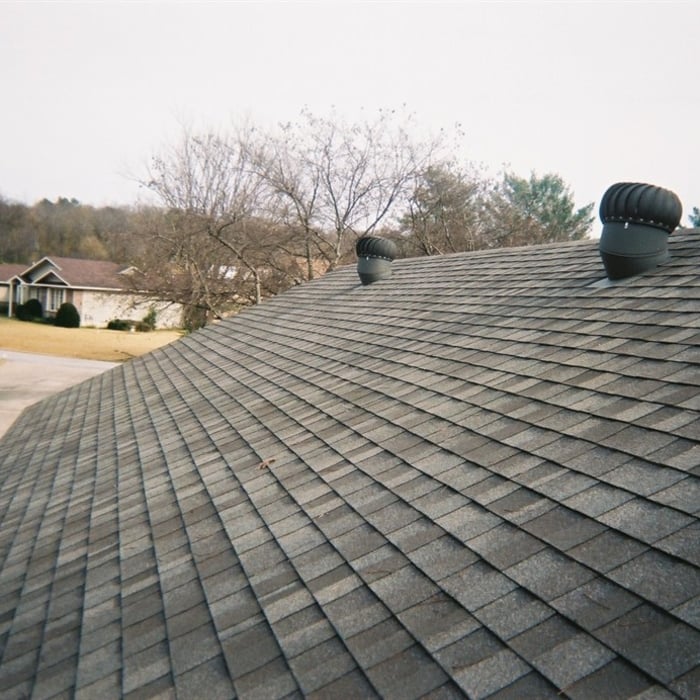
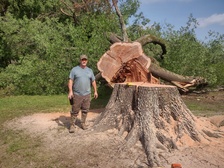
"Duraplex installed a metal roof on my house and barn. It came out great and i was very happy with the outcome. The owner and the crew are very professional and punctual. They also made sure to clean up after the work. I would recommend this company to my family and friends!"
Additional Photos
Additional Photos
Additional Photos
Additional Photos
Additional Photos

+16

Recommended by91%of homeowners
Andrew's Landscaping and Lawn Maintenance
4.0(
10
)
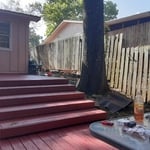
Brick and Stone Flatwork - RepairBrick and Stone Patios, Walks, and Steps - InstallBrick, Stone or Block Wall - Install+2 more

Serving Texarkana, AR and surrounding areas

In business since 1986

Free estimates

Credit card accepted

"Contacted Tru Cut and they gave me an estimate within 24hrs.  As I requested (hoping more leaves would fall), they waited one week to do the work.  We have a steep driveway with water run-off "ditches" on either side that go behind the garage and down to the lake.  They cleaned the ditches, our driveway/parking pad, and the back yard.  The job was excellent.  Will definitely hire them again.
"
Recommended by100%of homeowners
Coster Landscaping, sprinkler, and Construction
5.0(
3
)
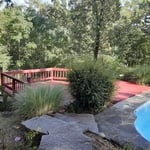
Brick and Stone Flatwork - RepairBrick and Stone Patios, Walks, and Steps - InstallBrick, Stone or Block Wall - Install+3 more

Serving Texarkana, AR and surrounding areas

In business since 1991

Free estimates

Emergency services offered

"

He arrived on time had was completely familiar with my sprinkler system. Made the necessary

repairs replaced the control box within an hour. He also walked me through the system so I

could understand how to operate it. Extremely helpful.


"
Recommended by100%of homeowners
Showing 1-10 of 26
Masonry FAQs, answered by experts

If your old bricks are in decent condition and you have the space to store them where they’ll be protected from the elements, keeping old bricks is often worthwhile. You’d spend anywhere from $70 to a few hundred dollars to have them removed from your property, in which case you won’t be able to use them for future projects. Holding on to old bricks in good condition means you can use them later for other DIY projects, potentially saving yourself some money on disposal and new materials down the road.

Not all cracks in brick indicate foundation problems. For instance, small hairline cracks can occur as a new construction settles. However, larger cracks are often a sign of a more severe issue. Indicators of a potential foundation problem include long horizontal cracks, "stair-step" cracks, vertical cracks that appear indoors, or any crack that widens at the top. Other signs of structural damage to look for are uneven floors and doors or windows that stick. These issues could be caused by problems with the soil beneath the home or an overgrown tree.

Modern brick houses are really stick-built homes with a brick facade for aesthetic purposes only, so most have framing. With genuine brick construction, most homeowners install furring strips over the interior of the brick and then install drywall over those strips to cover the brick wall, so they don’t have traditional framing.

Yes, concrete is significantly stronger than masonry, especially if the concrete pour includes reinforcements, like steel rebar. Concrete is a uniform material that can withstand compression, sheer force, and tensile force as long as it’s reinforced. Masonry involves the use of mortar or grout to connect individual building materials, like brick, stone, or tile. Mortar and grout are also reasonably strong and resist compression well, but they don’t come close to the strength of poured concrete.

Yes, depending on the type of pavers you have, you may need a specific type of sealant. For example, concrete pavers will bond differently than clay pavers or faux stone pavers and will demand a different type of sealer. If you’re unsure of the material and what type of sealant you need, you can contact the company that laid your pavers down for you.

The Texarkana, AR homeowners’ guide to masonry services

From average costs to expert advice, get all the answers you need to get your job done.