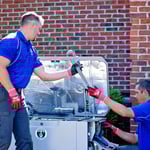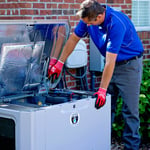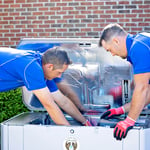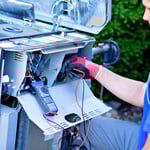




Top-rated generator install pros.

Get matched with top generator install pros in Shirley, AR

Enter your zip and get matched with up to 5 pros

Need a pro for your generator install project in Shirley, AR?

Select your specific project to find the pro for you.

Find Generator install pros in Shirley

Avatar for Ozark Electric AR
Ozark Electric AR
5.0(
31
)
Fixed Generator - InstallPortable Generator - Install

Serving Shirley, AR and surrounding areas

Approved

Super Service Award Winner

In business since 2024

Emergency services offered

Warranties offered

"Great work. When Steve noticed the job was more complicated than expected, he did the extra work for the original price. Also installed an extra switch and light at no extra cost. The work looks great. I will definitely call Ozark Electric for any electrical work in the future."
Additional Photos
Additional Photos
Additional Photos
Additional Photos
Additional Photos

+15

23 neighbors recently requested a quote

Recommended by58%of homeowners
Avatar for Next Generation Solar, LLC
Next Generation Solar, LLC
5.0(
5
)
Fixed Generator - Install

Serving Shirley, AR and surrounding areas

Approved

In business since 2017

Free estimates

Emergency services offered

Since 2016, AEV Solar has been committed to taking care of customers across Arkansas by delivering reliable backup power and energy resilience solutions for homes and businesses. We specialize in custom battery backup, generator-integrated systems, and intelligent whole-home or commercial energy setups designed around each customer’s actual energy needs. With a strong focus on customer satisfaction, quality workmanship, and long-term support, we help our customers gain peace of mind knowing their property is protected when outages happen.

aevsolar.com
37 neighbors recently requested a quote
Showing 1-10 of 24
Generator Install questions, answered by experts

Potential benefits of using a natural gas generator include reducing your carbon footprint, lower likelihood of carbon monoxide exposure, budget-friendly operating costs, and low-maintenance, continuous fuel supply. Some possible drawbacks, though, include higher initial installation costs, dependency on a natural gas supply, and installation complexity. Keep in mind that pros and cons will vary based on the type and brand of natural gas generator. 

You can determine what size generator you need for a transfer switch by matching the switch to the largest outlet on your generator. Larger generators can power up to 10 circuits, while most 5,000-watt generators can provide power to six circuits. So, if your generator’s largest outlet is 30 amps, you’ll need a 30-amp transfer switch.

In many cases, yes. There are models called dual-fuel generators and fuel switches, but only between certain types of fuel. For example, with the right setup you can convert a generator from natural gas to propane. Some allow switching between diesel and gasoline. There are even tri-fuel generators available in some cases, which adds a large layer of security if you are worried about fuel availability in times of crisis. Always check your generator capabilities and manual instructions before trying to switch fuels. Some generators can use another fuel but may need a fuel conversion kit to prep them first.

While standby generators provide essential backup power, they can fail when you need them most due to lack of maintenance, fuel supply issues, dead batteries, electrical problems, or improper installation. To avoid costly failures, professional installation and regular maintenance are crucial. Licensed technicians ensure safety, uphold warranty requirements, comply with regulations, and provide expert servicing.

To determine the right size generator for your house, you should calculate the total wattage of the appliances and devices you want to power during an outage. List all essential items, note their start-up wattages, and add them together.

Here are some typical wattage requirements for common appliances:

  • Refrigerator: 600 watts

  • Large dehumidifier: 700 watts

  • Large window air conditioner: 1,400 watts

  • Water heater: 3,000 to 4,500 watts

  • Electric furnace: 5,000 to 25,000 watts

A 7,500-watt generator might be sufficient for essentials like a refrigerator, freezer, well pump, and lighting circuits. However, for high-demand items like a water heater or furnace, a whole-home generator is a better choice. A portable generator may be enough if you only need to power a few critical items.

While home square footage can offer a rough estimate, it is not always a reliable indicator. For reference, here are some typical generator sizes based on square footage:

  • 1,000 sq ft: 6–9 kW

  • 1,500 sq ft: 7–10 kW

  • 2,000 sq ft: 10–14 kW

  • 2,500 sq ft: 12–16 kW

  • 3,000 sq ft: 16–20 kW+

For the most accurate sizing, consult a professional who can calculate your home's peak and average power consumption and recommend the optimal generator.

The Shirley, AR homeowners’ guide to generator installs

From average costs to expert advice, get all the answers you need to get your job done.