





Top-rated generator install pros.

Best generator install pros near Mulberry, AR

Enter your zip and get matched with up to 5 pros

Need a pro for your generator install project in Mulberry, AR?

Select your specific project to find the pro for you.

Top-Rated Generator install pros in Mulberry - Updated Nov 2026

Avatar for Kury Electric
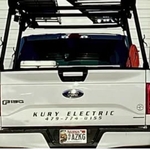
Kury Electric
5.0(
33
)
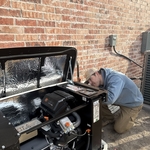
Fixed Generator - Install

Serving Mulberry, AR and surrounding areas

Approved

In business since 2024

Free estimates

Credit card accepted

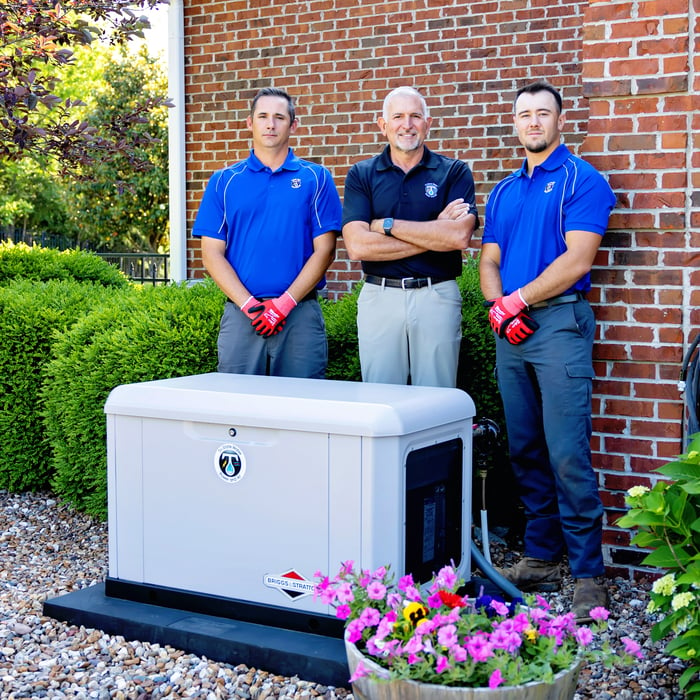
Kury Electric proudly serves its customers with pride, integrity and attention to the details that matter most to you. This is one of the many things that sets us apart from the rest. We are locally owned and operated. Give us a call today! \nFully licensed and insured!

Kury Electric LLC
16 neighbors recently requested a quote
Avatar for TOTAL BCY ELECTRIC LLC
TOTAL BCY ELECTRIC LLC
5.0(
5
)
Fixed Generator - InstallFixed Generator - RepairGenerator - Install - For Business+1 more

Serving Mulberry, AR and surrounding areas

In business since 2018

Free estimates

Credit card accepted

"Total Electric is the definition of dependable. Rather I need switches replaced, a whole house wired, or anything in between, they are prompt and professional. I’ve built new construction, and have remodeled older homes, both of which Total Electric shows up on time and knocks out the job within my budget. I can not recommend this company enough! Simple. Fast. Efficient. Everytime."
Generator installation
Service upgrade
10 neighbors recently requested a quote

Showing 1-10 of 22
Generator Install FAQs, answered by experts

Portable generators provide backup power for essential appliances during outages and are easy to relocate.

Generally, you’ll want to keep between 60 and 70 feet between the generator and the transfer switch. There are a few reasons for this, including:

  • The distance reduces the noise coming from the generator into your home.

  • It increases efficiency because you won’t have a voltage drop from this short of a distance.

  • Prevents carbon monoxide poisoning: keep at least 15 feet between your generator and an open window. 

To determine the right size generator for your house, you should calculate the total wattage of the appliances and devices you want to power during an outage. List all essential items, note their start-up wattages, and add them together.

Here are some typical wattage requirements for common appliances:

  • Refrigerator: 600 watts

  • Large dehumidifier: 700 watts

  • Large window air conditioner: 1,400 watts

  • Water heater: 3,000 to 4,500 watts

  • Electric furnace: 5,000 to 25,000 watts

A 7,500-watt generator might be sufficient for essentials like a refrigerator, freezer, well pump, and lighting circuits. However, for high-demand items like a water heater or furnace, a whole-home generator is a better choice. A portable generator may be enough if you only need to power a few critical items.

While home square footage can offer a rough estimate, it is not always a reliable indicator. For reference, here are some typical generator sizes based on square footage:

  • 1,000 sq ft: 6–9 kW

  • 1,500 sq ft: 7–10 kW

  • 2,000 sq ft: 10–14 kW

  • 2,500 sq ft: 12–16 kW

  • 3,000 sq ft: 16–20 kW+

For the most accurate sizing, consult a professional who can calculate your home's peak and average power consumption and recommend the optimal generator.

To reduce AC startup power for a whole-house generator, install a soft start kit or hard start capacitor, which lowers the initial surge by gradually ramping up the compressor. Using a smart load manager can also help by staggering startup loads, preventing a system overload and future costly repairs.

Yes, in most municipalities, you will need a permit to install a permanent home generator, including emergency backup, partial-home, and whole-home models. Because these installations involve significant alterations to your home's electrical system and produce exhaust fumes, local governments often require a permit or inspection for safety purposes. A generator permit typically costs between $50 and $250, depending on your location. Your electrician or certified installer can usually handle the permitting process for you, but you will be responsible for the cost. It's a good practice to confirm with your installer that they will pull all necessary permits before work begins.

The Mulberry, AR homeowners’ guide to generator installs

From average costs to expert advice, get all the answers you need to get your job done.