Top-rated concrete mudjacking pros.

Get matched with top concrete mudjacking pros in Mountain Home, AR

Enter your zip and get matched with up to 5 pros

Need a pro for your concrete mudjacking project in Mountain Home, AR?

Select your specific project to find the pro for you.

Find Concrete mudjacking pros in Mountain Home

Avatar for Foundation Recovery Systems
Foundation Recovery Systems
4.3(
294
)
Concrete - Injection Leveling - MudjackingConcrete - Injection Leveling - Mudjacking - For Business

Serving Mountain Home, AR and surrounding areas

Approved (Corporate)

In business since 1992

Free estimates

Warranties offered

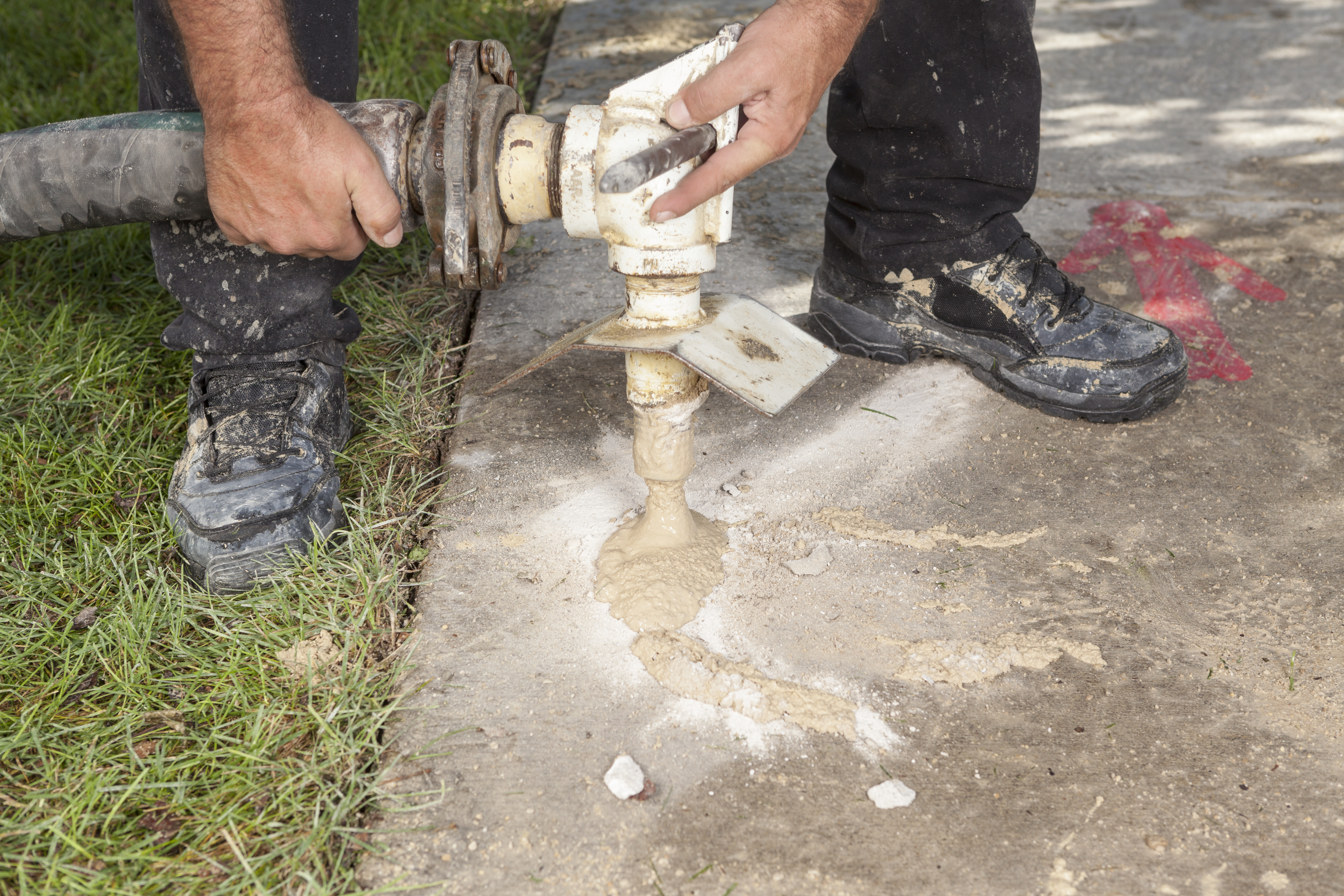
"I had Christian lift some concrete on my back patio to save my downstairs ac unit from shorting out from puddles forming from the heavy rains. They were able to complete job without moving or Uninstalling the ac unit. Kudos to Jason for putting up with me while he explained the process after other household issues were brewing after a bad storm. Thanks for saving my AC unit. Front edge of unit is not underwater after rain now."
Protect Your Basement Before & After
Correct Your Wet Basement
Protect Your Basement
Waterproof Your Basement
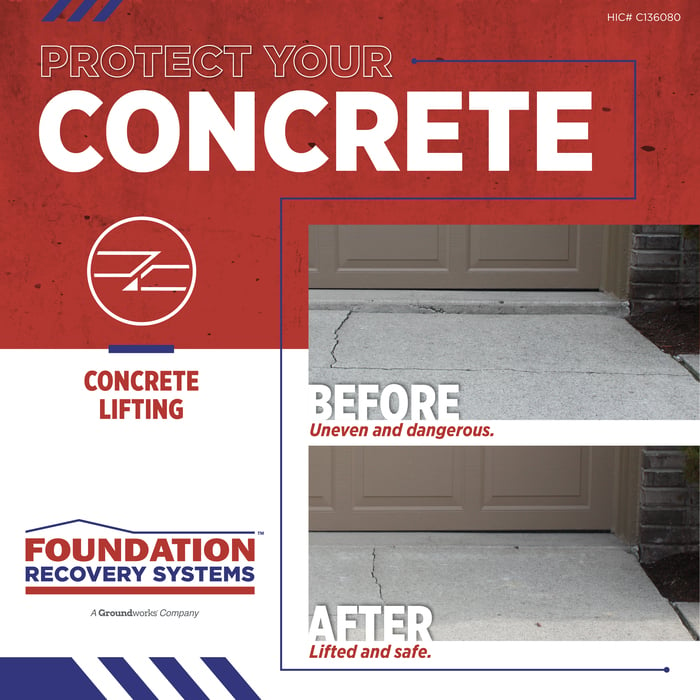
Protect Your Concrete Before & After

+16

94 neighbors recently requested a quote
Recommended by89%of homeowners
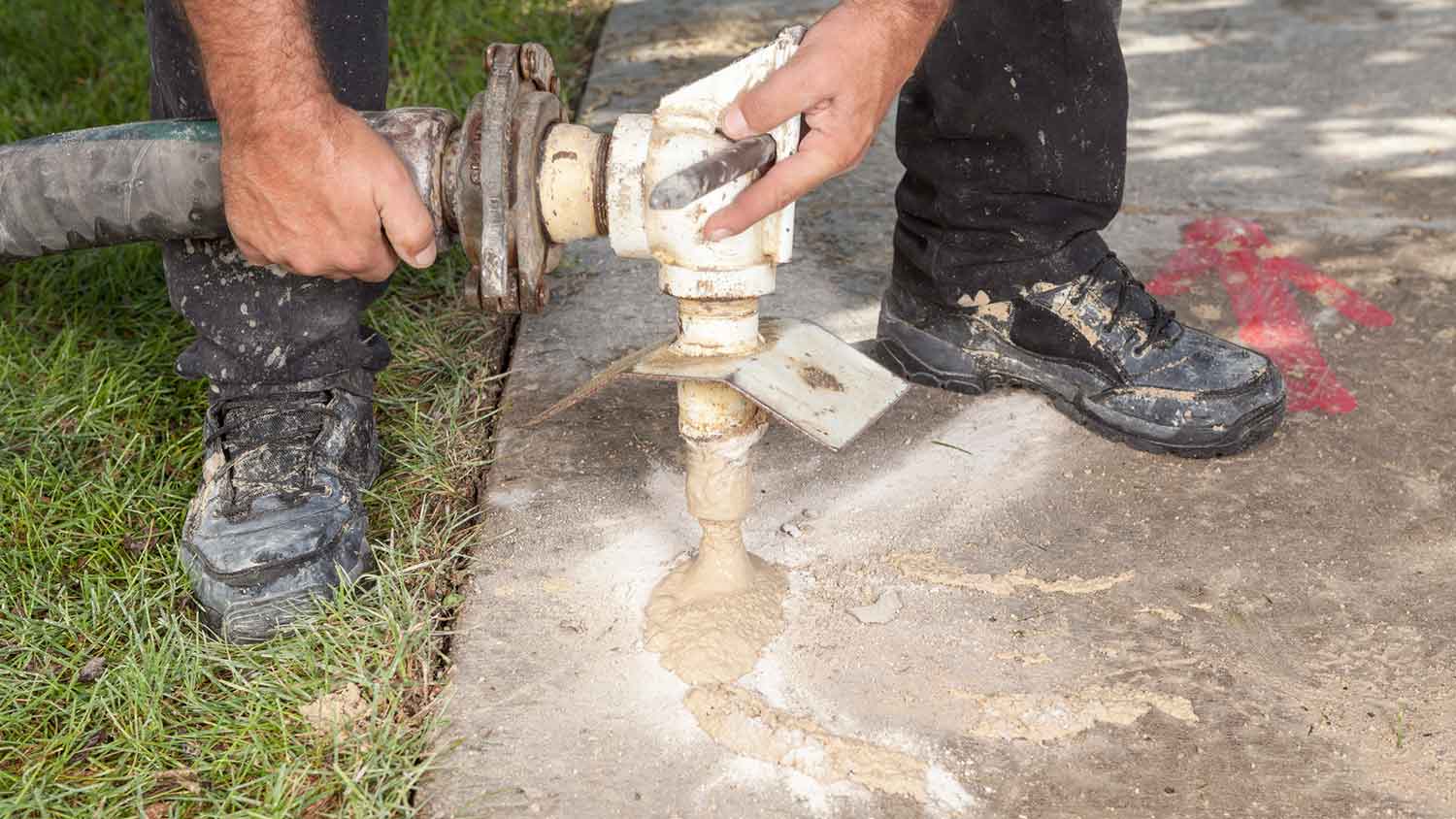
Concrete Mudjacking questions, answered by experts

Trenching and boring are two distinct methods for installing underground utilities. Trenching involves digging a channel using equipment like an excavator, trencher, backhoe, or shovel. While it is a simpler process, it causes significant disruption to the surface, landscaping, and surrounding ecosystems.

Boring, also known as directional boring, is a less invasive alternative that uses a drill to create a tunnel for utility lines without disturbing the surface. This method is more precise and is ideal for installations that need to go underneath buildings, roads, or bodies of water. Although boring is less disruptive, it is generally more expensive than trenching.

It’s best not to perform mudjacking in the winter unless the ground temperature remains above freezing. Freezing temperatures can cause the slurry to harden too quickly, compromising its strength and longevity. Concrete is also more susceptible to cracking and splitting in cold temperatures, so there’s a higher risk of damaging the slab during the drilling and lifting process in winter.

Concrete leveling is not typically covered by insurance. In some cases where the shifting concrete is caused by a natural disaster or storm, you may be able to file an insurance claim if your policy specifically covers those circumstances. In most cases, though, you’ll pay out-of-pocket for concrete leveling.

Common issues with concrete that may require professional repair or resurfacing include cracks, spalling, uneven surfaces, and weather damage.

The polyurethane used for polyjacking will expand and cure in 15 to 30 minutes. After that point, your slab will be safe to walk on and even drive on in the case of a sidewalk or concrete driveway. Double-check with your concrete lifting specialist to confirm a curing timeline, as products can differ.

The Mountain Home, AR homeowners’ guide to concrete mudjacking services

From average costs to expert advice, get all the answers you need to get your job done.