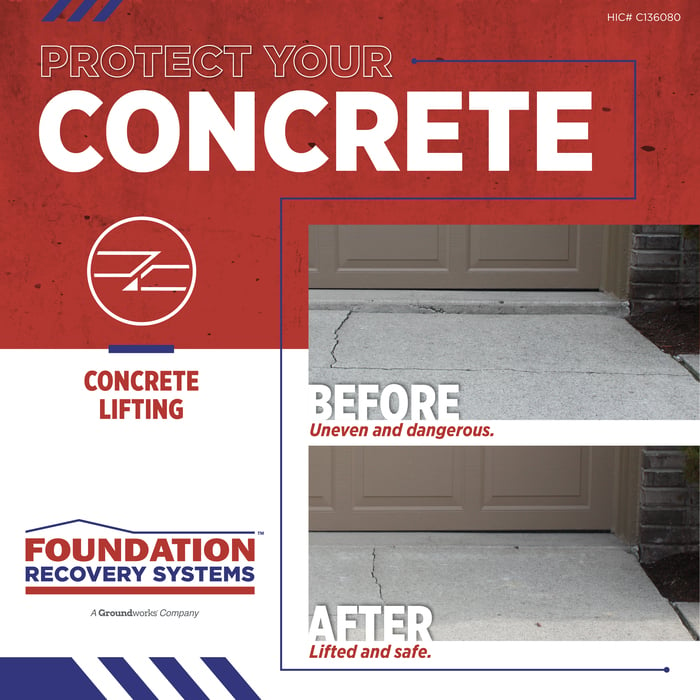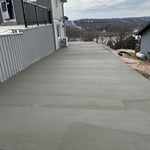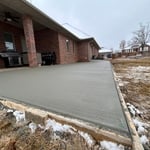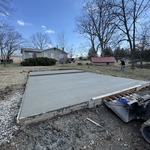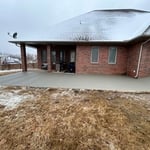



"Shaq and Zac did outstanding work on raising our garage, porch and sidewalk and creating a drain in the sidewalk for rain spout. Very professional, polite, answered all questions and cleaned up afterwards. Extremely pleased with the work!"
"VESTA sent us the outstanding team of JUSTIN and GREG to accomplish an outstanding job in our concrete driveway. They filled the underground voids and leveled off the several misadjusted segments of the driveway. Top notch. Justin and Greg are very courteous and respectful. They kept us informed at every step. They were very diligent and hardworking, particularly on cold temperature days. Upon completion they left the driveway in showroom condition. Or as our British cousins would say: Good show!! Jolly good show!! Bravo Zulu to VESTA and team."
"I was Tim's first job when he moved his business to South West Mo. After having such a bad experience with local previous concrete business I was pleasantly surprised the knowledge, professionalism and desire to make his customers pleased and happy with his work. I would highly recommend PBM concrete. Also if a problem occurs with his work he is right on job to correct the problem. Yes I highly recommend."
We are a family owned business. Laying strong foundations for generations and generations to come. You can check us out on YouTube, TikTok and Facebook. @maplessonsconcrete
Concrete Mudjacking questions, answered by experts
On average, a mudjacking repair lasts between five and 10 years, though it can sometimes last for well beyond a decade under ideal conditions. Its longevity depends heavily on several factors, including the condition of the underlying soil, environmental conditions like freeze/thaw cycles and erosion, and whether the root cause of the sinking, such as drainage issues, is resolved. Because it doesn't always fix the underlying problem of loose soil, mudjacking is often considered a temporary solution. Proper maintenance and evaluation can help extend its lifespan.
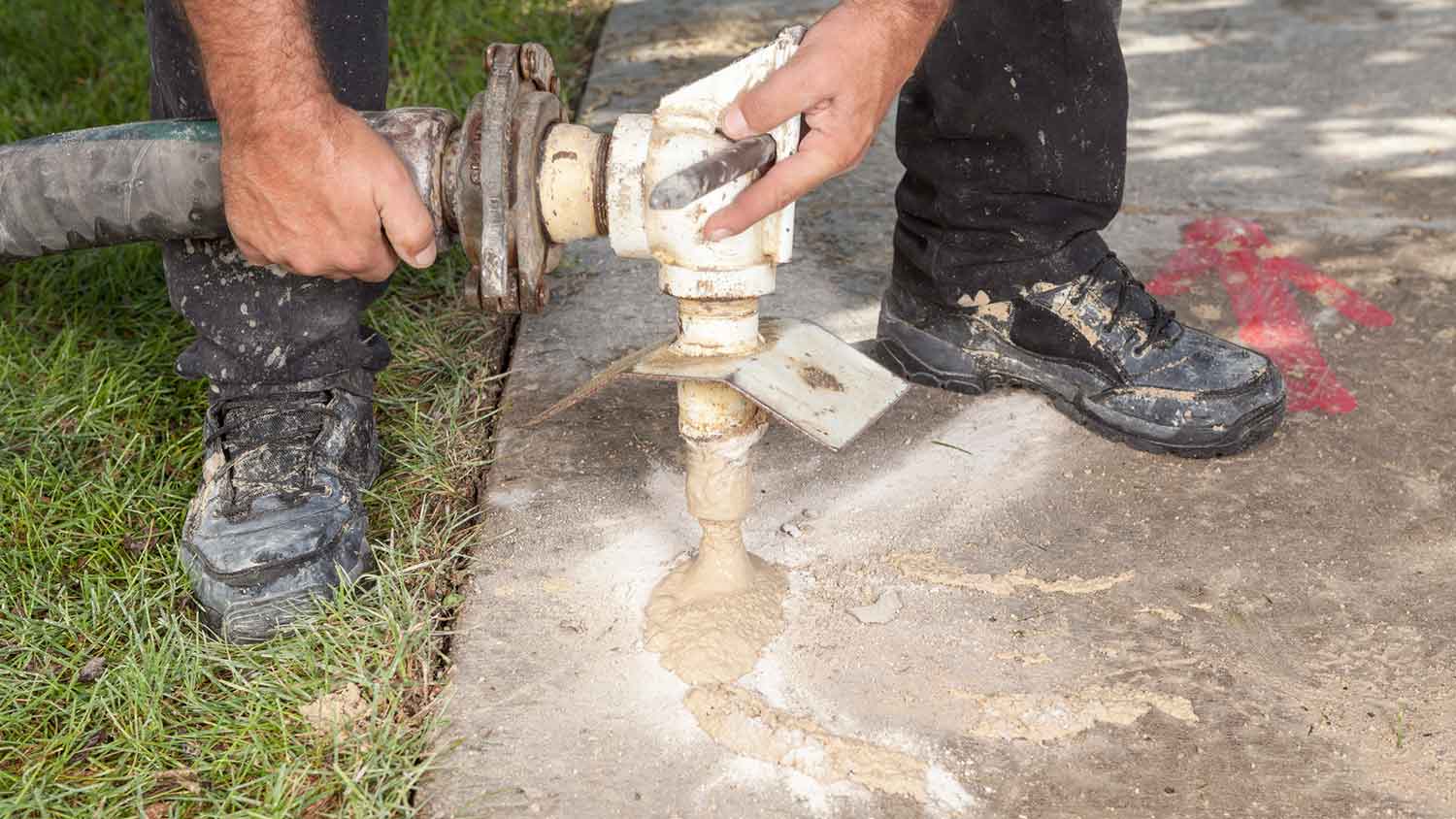
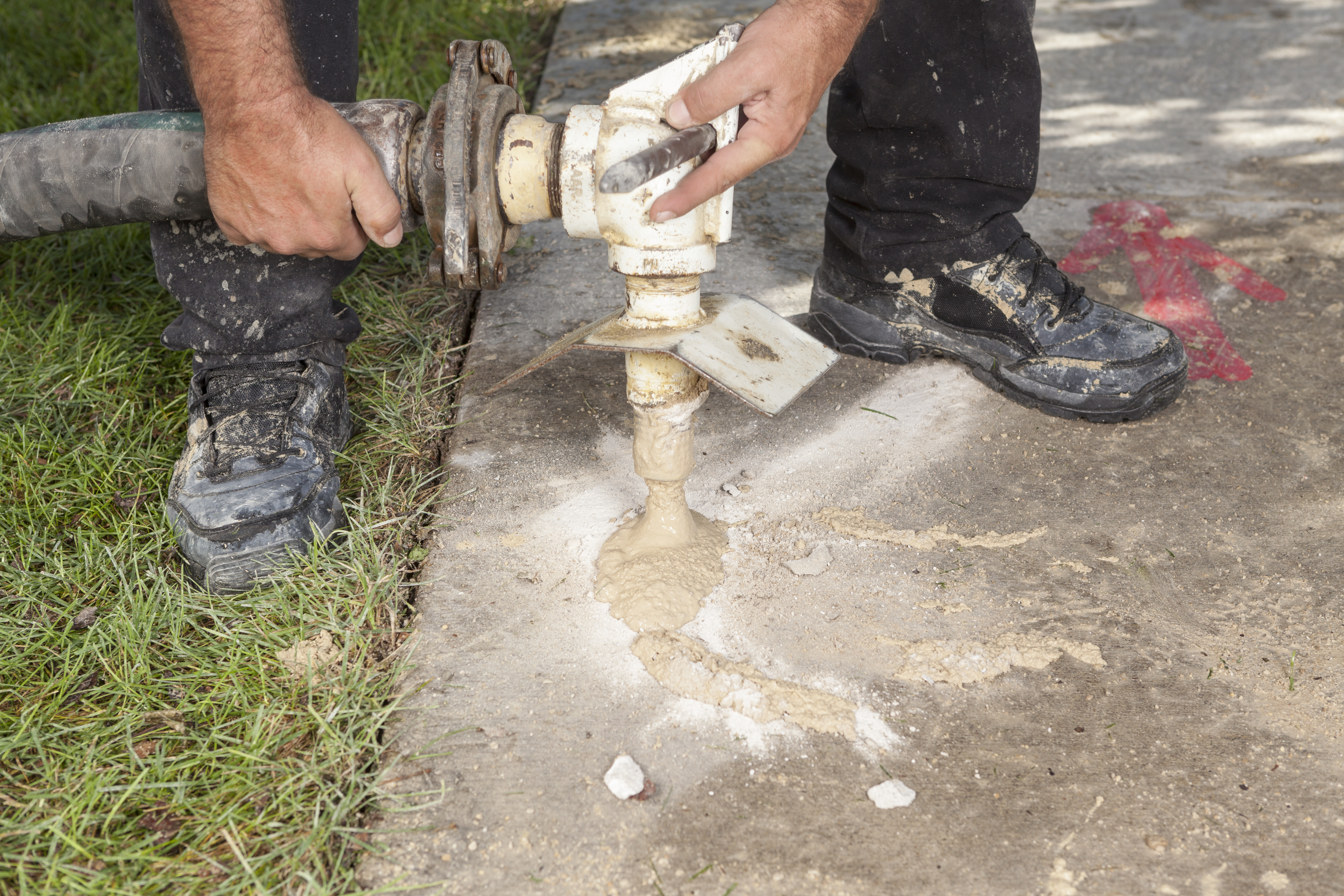
A slurry of cement, sand, and water is injected beneath the concrete to lift and stabilize it.
It’s best not to perform mudjacking in the winter unless the ground temperature remains above freezing. Freezing temperatures can cause the slurry to harden too quickly, compromising its strength and longevity. Concrete is also more susceptible to cracking and splitting in cold temperatures, so there’s a higher risk of damaging the slab during the drilling and lifting process in winter.
There is no real alternative to underpinning, although mudjacking and polyjacking are other repair methods that can add support from underneath your foundation. Rather than placing supportive piers under your structure, these involve pumping a material under your slab to lift a sunken section back into its original position. Polyjacking, in particular, is sometimes a suitable solution for stabilization issues under slab foundations, but underpinning is often accepted as the best and most permanent solution.
The polyurethane used for polyjacking will expand and cure in 15 to 30 minutes. After that point, your slab will be safe to walk on and even drive on in the case of a sidewalk or concrete driveway. Double-check with your concrete lifting specialist to confirm a curing timeline, as products can differ.
The Flippin, AR homeowners’ guide to concrete mudjacking services
From average costs to expert advice, get all the answers you need to get your job done.
DIY mudjacking is an advanced task, but learning how to raise a concrete slab is great to know for many scenarios. Let's take a look at how to DIY mudjack.
Sunken concrete can be a structural issue, but a professional can easily repair it. Ask these concrete injection leveling and mudjacking questions before you hire.