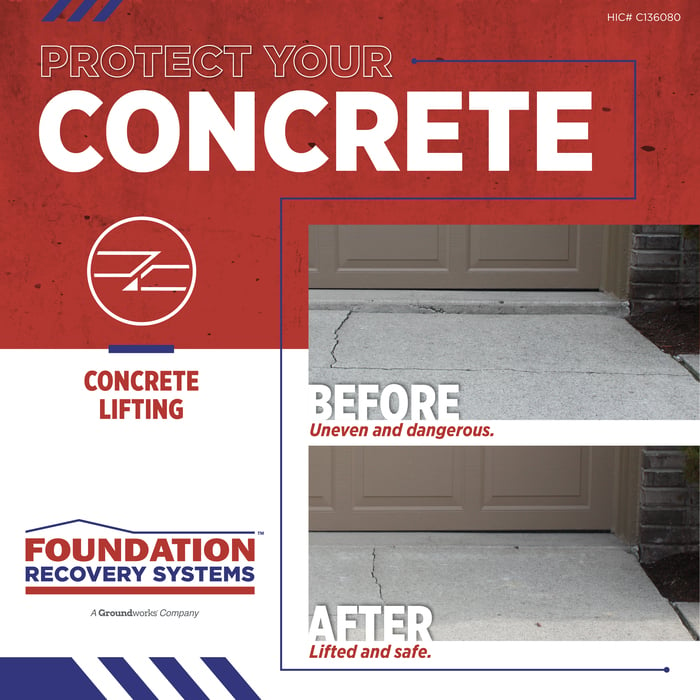
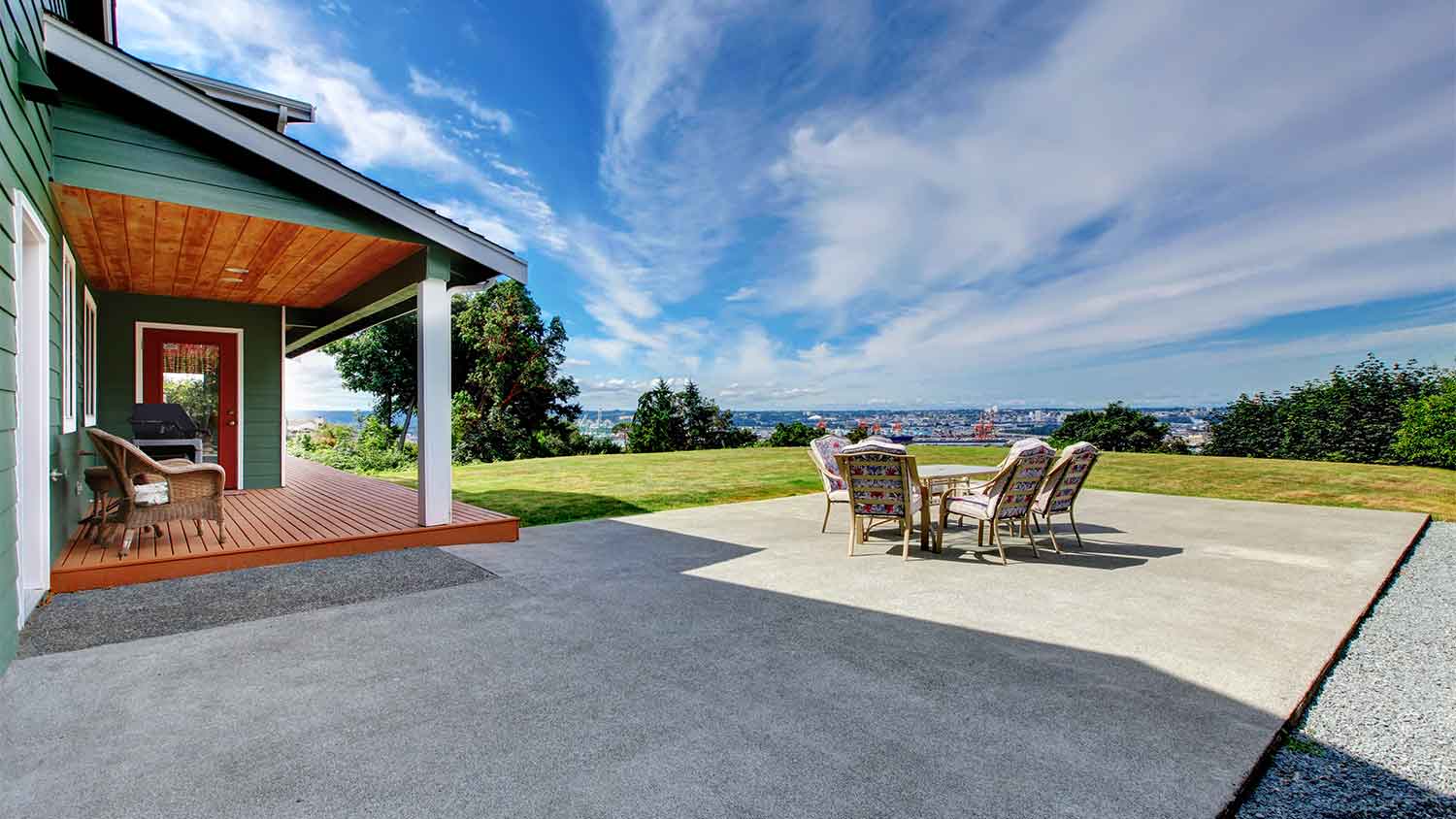
"I had Christian lift some concrete on my back patio to save my downstairs ac unit from shorting out from puddles forming from the heavy rains. They were able to complete job without moving or Uninstalling the ac unit. Kudos to Jason for putting up with me while he explained the process after other household issues were brewing after a bad storm. Thanks for saving my AC unit. Front edge of unit is not underwater after rain now."
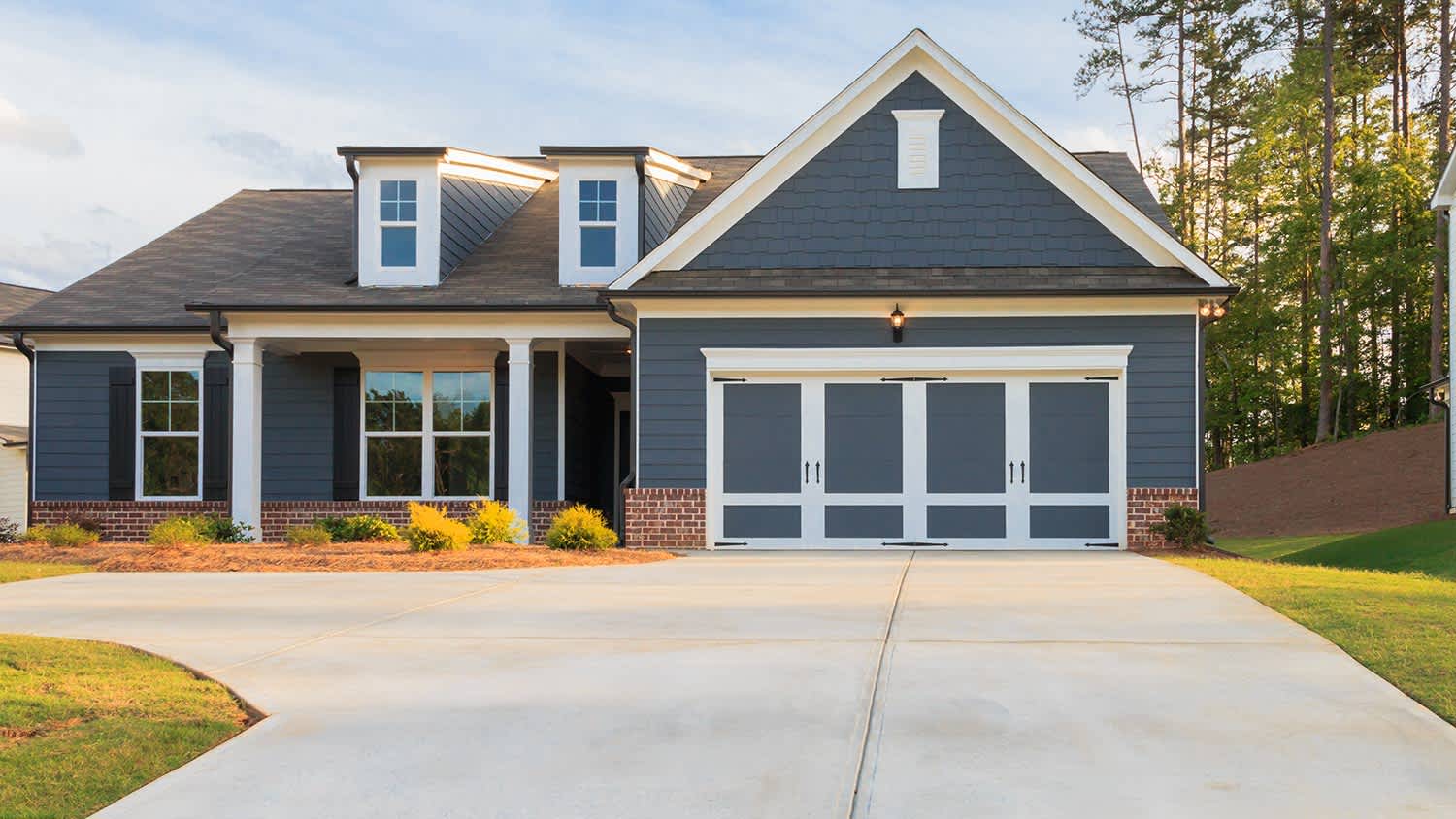
"VESTA sent us the outstanding team of JUSTIN and GREG to accomplish an outstanding job in our concrete driveway. They filled the underground voids and leveled off the several misadjusted segments of the driveway. Top notch. Justin and Greg are very courteous and respectful. They kept us informed at every step. They were very diligent and hardworking, particularly on cold temperature days. Upon completion they left the driveway in showroom condition. Or as our British cousins would say: Good show!! Jolly good show!! Bravo Zulu to VESTA and team."
Concrete Mudjacking questions, answered by experts
The polyurethane used for polyjacking will expand and cure in 15 to 30 minutes. After that point, your slab will be safe to walk on and even drive on in the case of a sidewalk or concrete driveway. Double-check with your concrete lifting specialist to confirm a curing timeline, as products can differ.
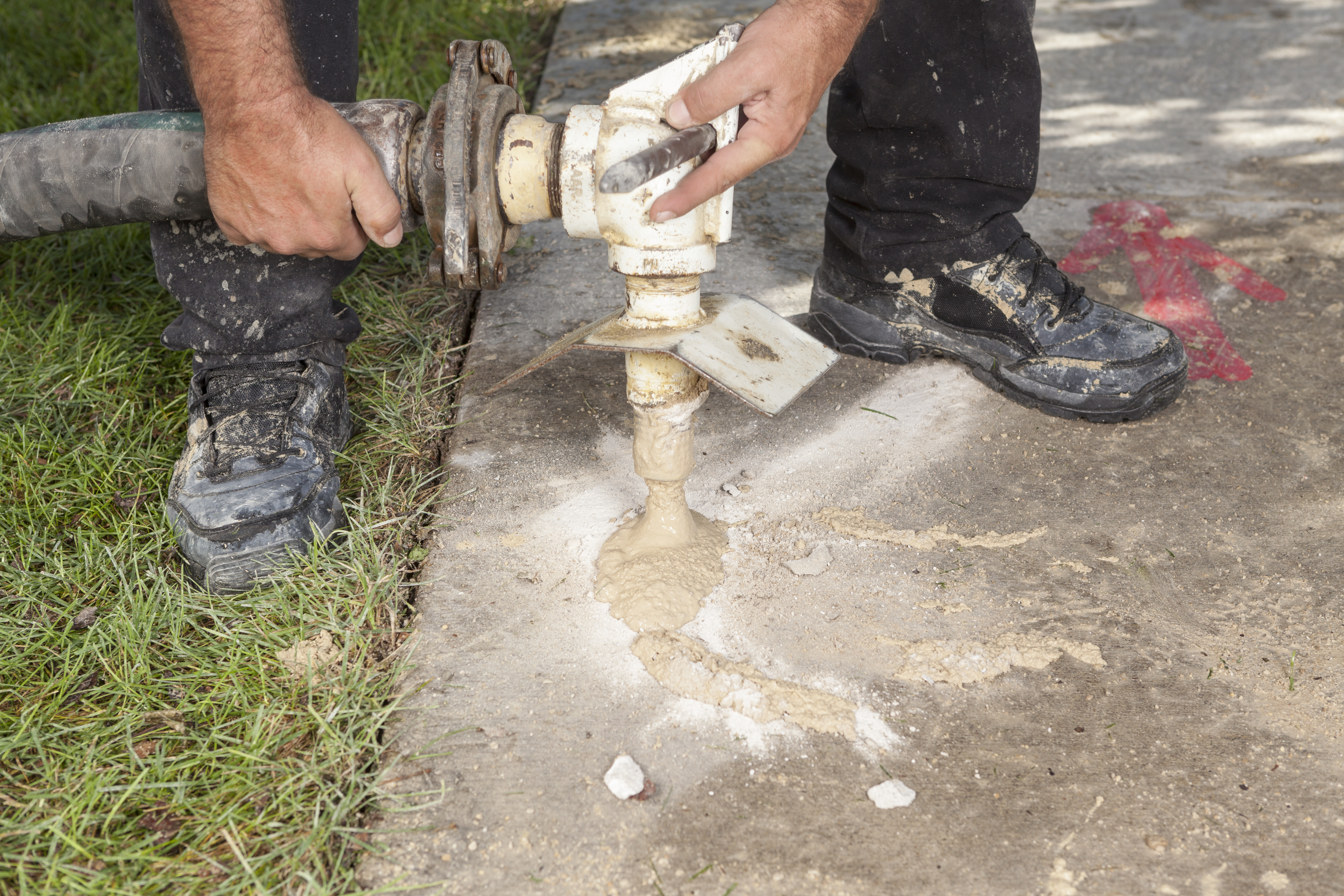
A slurry of cement, sand, and water is injected beneath the concrete to lift and stabilize it.
Most houses are expected to settle over time, but foundation sinking of more than a few inches or uneven sinking of more than an inch for every 20 feet is cause for concern. Any significant or uneven sinking should be assessed by a professional to determine the cause and perform any necessary repairs.
Mudjacking is usually reserved for light-duty slabs, like patios, driveways, and sidewalks. However, it can be an effective way to lift garage slabs and concrete around the perimeter of the home, which could harm your foundation if it’s not done properly. The risk of damage is why having a professional mudjacking company carry out the work is important. This type of slab or foundation repair is relatively inexpensive, especially if you consider that a DIY job requires that you pay to rent the necessary equipment.
Yes, you can mudjack cracked concrete, but the cracks will need to be repaired once the concrete has been leveled. If the concrete is severely cracked in multiple places, replacement may be a better option, but for less severe cracking, mudjacking is a good solution as long as cracks are correctly caulked and sealed.
The Cotter, AR homeowners’ guide to concrete mudjacking services
From average costs to expert advice, get all the answers you need to get your job done.
DIY mudjacking is an advanced task, but learning how to raise a concrete slab is great to know for many scenarios. Let's take a look at how to DIY mudjack.