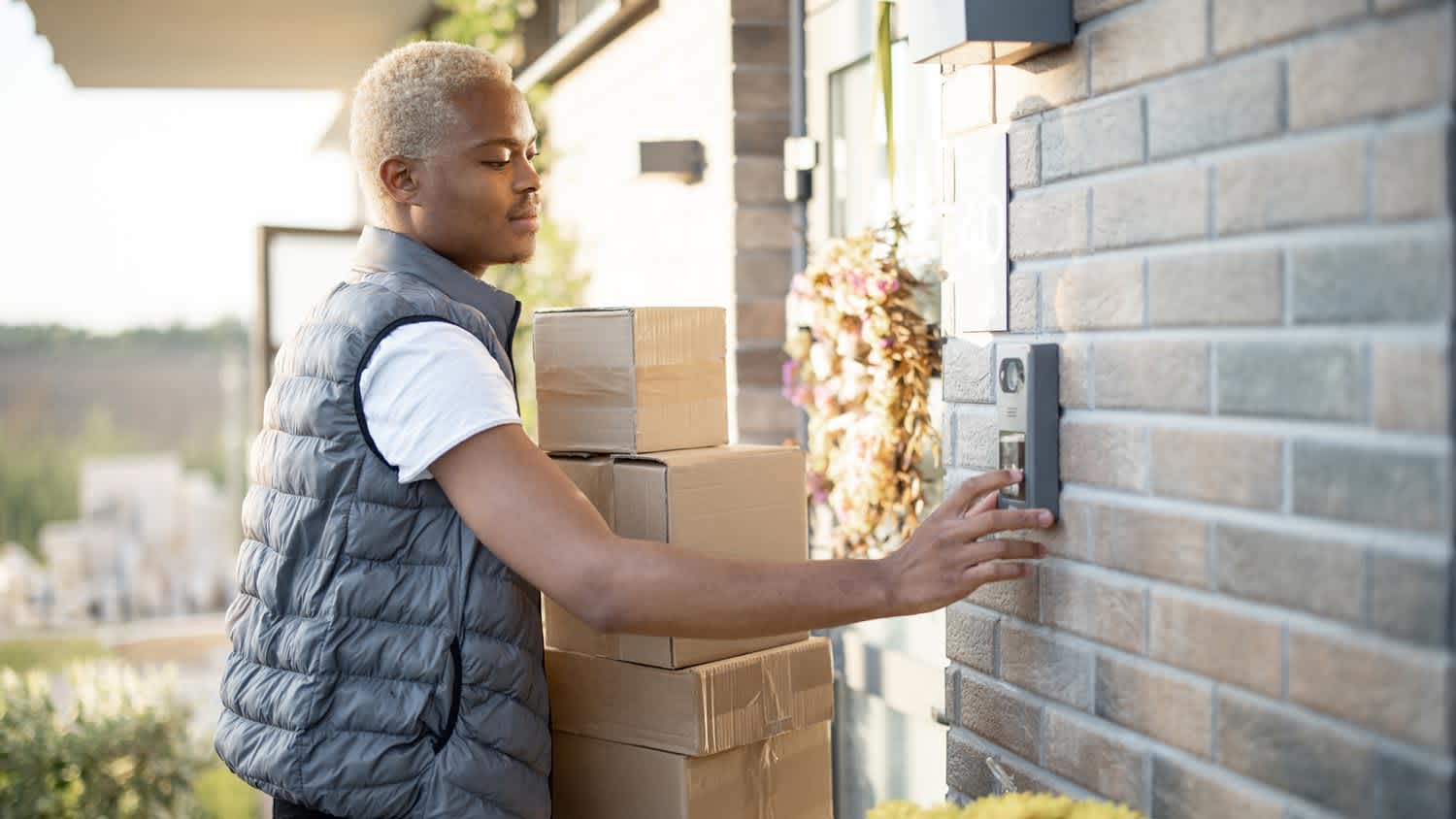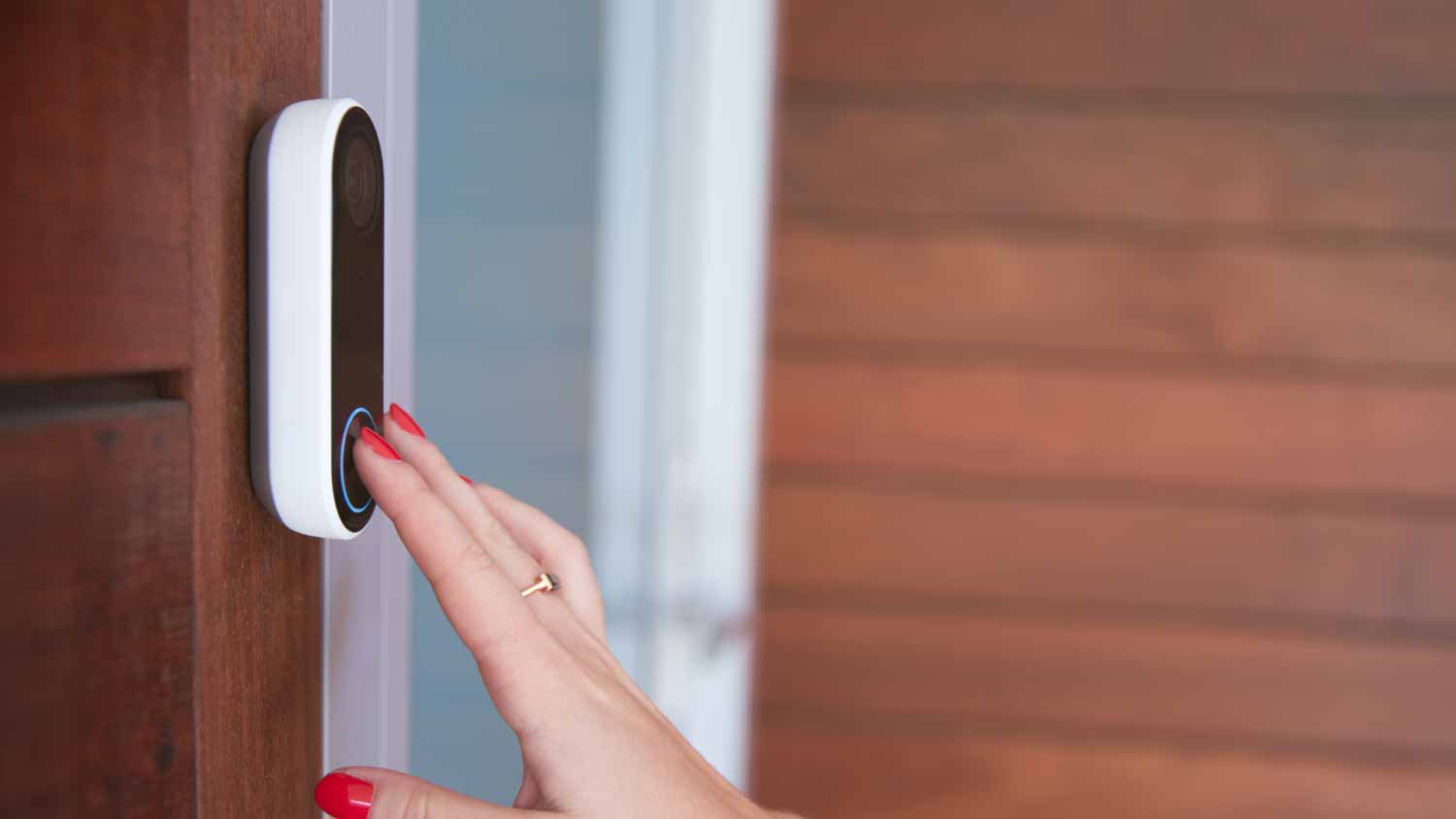


Top-rated doorbell installation pros.

Best doorbell installation pros near Lonoke, AR

Enter your zip and get matched with up to 5 pros

Need a pro for your doorbell installation project in Lonoke, AR?

Select your specific project to find the pro for you.

TRUSTED BY LONOKE, AR HOMEOWNERS

  • Average homeowner rating star icon4.4
    Average homeowner rating
  • Verified reviews icon482
    Verified doorbell installation services reviews

Top-Rated Doorbell installation pros in Lonoke - Updated Nov 2026

No results for Doorbell installation pro in

Try adjusting your search criteria.
Doorbell Installation FAQs, answered by experts

The most insulative type of insulation for behind drywall is spray foam insulation, but this is the most expensive insulation available. The most common insulation—sometimes considered the best for the value you get for the money—is fiberglass roll or fiberglass batt insulation, which is significantly more affordable but also far less insulative. The best kind of insulation for your house will also vary based on the climate in your area, your budget, and more. A professional insulation company can help you decide which type is best for your home.

Radiant barriers and insulation serve different purposes, so one is not inherently better than the other. Radiant barriers reflect radiant heat, helping keep spaces cool, especially in hot climates, while insulation slows heat transfer through conduction. For optimal energy efficiency, it’s best to use both together. 

Radiant barriers can enhance the performance of insulation by preventing heat gain in the summer and heat loss in the winter. The choice between them depends on specific climate conditions and the building’s design requirements.

R-30 insulation is better for higher thermal resistance, but whether it’s "better" depends on the application. R-30 is much thicker and suited for areas like attics or floors in cold climates, where more insulation is required. R-13, on the other hand, is thinner and works well for 2x4 walls or milder climates where less insulation is sufficient. Choosing between R-13 and R-30 depends on the area being insulated and the climate. For example, R-30 provides more insulation but may not fit everywhere in your home.

Insulating your basement walls offers numerous advantages that make the project well worth it. By adding insulation, you can reduce the chances of moisture damage to the house's structure and lower the odds of mold growth. You'll also add comfort to the space by reducing temperature swings and increasing your home's energy efficiency, potentially reducing your energy bills to earn your investment back.

If you need to insulate behind finished walls, the best option will likely be to have an insulation professional install blown-in insulation. The installation requires small holes cut in your wall, after which the installer can blow loose-fill insulation into the void. After the installation, you’ll have minor drywall patching, which shouldn’t cost more than $100. Compared to ripping down the existing drywall, using a different type of insulation, and replacing and finishing the drywall, this should save you hundreds or even thousands, depending on the size of the room you’re insulating.

The Lonoke, AR homeowners’ guide to doorbell installation services

From average costs to expert advice, get all the answers you need to get your job done.