


Top-rated plaster repair specialists.

Get matched with top plaster repair specialists in Lamar, AR

Enter your zip and get matched with up to 5 pros

Need a pro for your plaster repair project in Lamar, AR?

Select your specific project to find the pro for you.

Find Plaster repair specialists in Lamar

Avatar for J & G PLASTERING, INC.
J & G PLASTERING, INC.
New to Angi
Plaster - InstallPlaster - Repair

Serving Lamar, AR and surrounding areas

In business since 2010

Free estimates

Offers commercial services

Is a locally owned and operated company that values honesty and integrity in all aspects of our business. Our dedicated team of professionals have years of hands-on experience, to provide innovative ideas and suggestions tailored to your projects. Our services are customized to your individual needs, paying close attention to the details of each project that we are involved with. Please feel free to contact us today!\n

Avatar for 2 That Do
2 That Do
3.7(
9
)
Plaster - RepairPlaster - Repair - For Business

Serving Lamar, AR and surrounding areas

In business since 2011

Free estimates

Credit card accepted

"They are a Fathet/Son team. They responded quickly, and explained clearly what the problem was, and how they plan to repair it. I was very pleased with every aspect of this project."
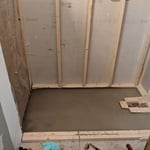
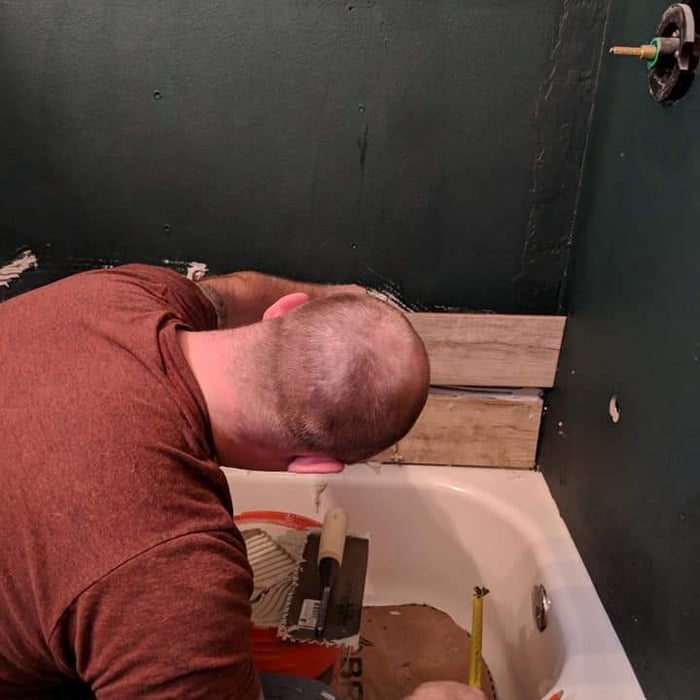
Level tub floor
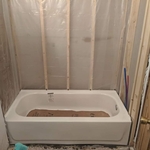
Set tub and level in mortar bed
Hardie wall
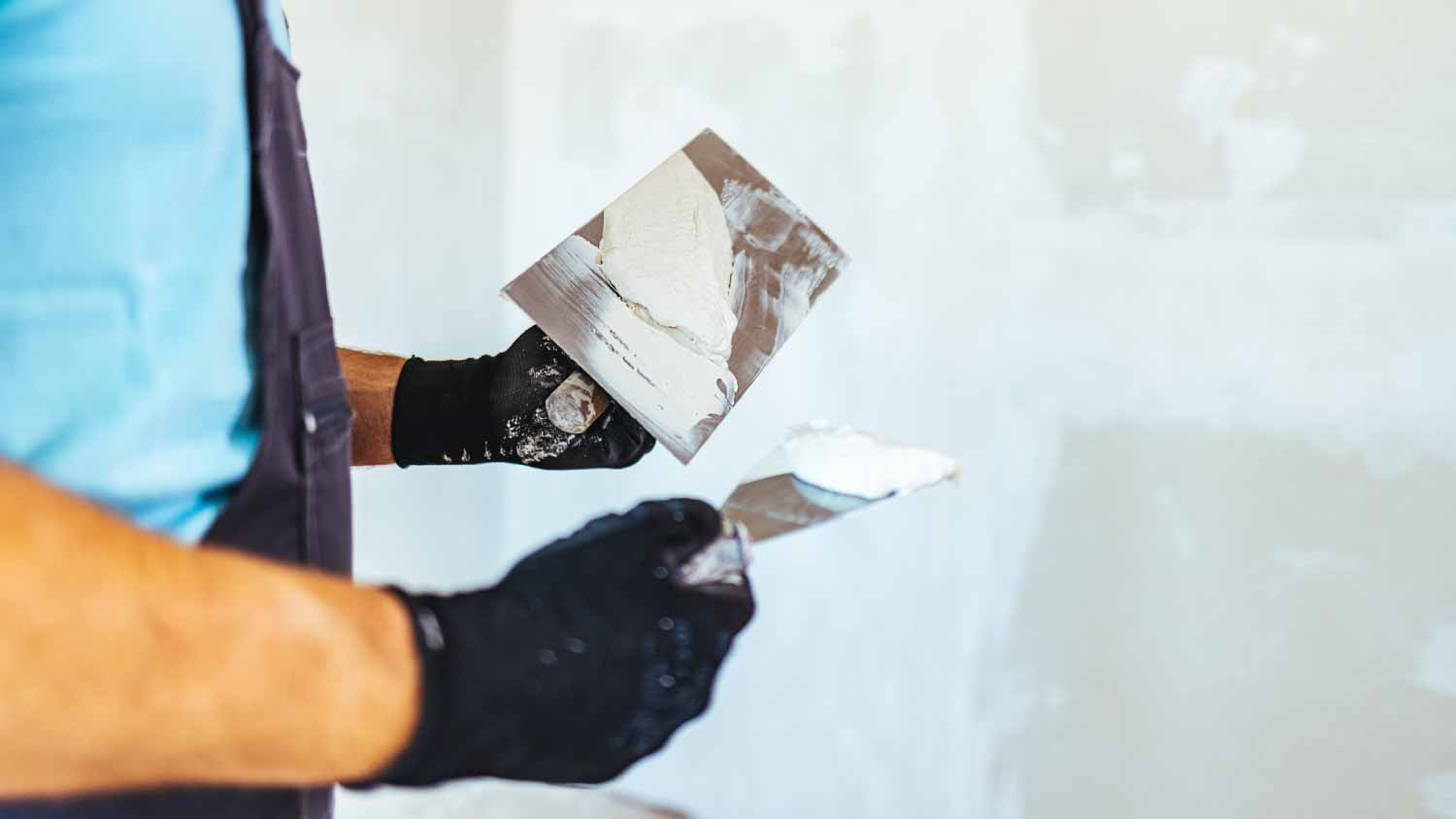
Thinset Hardie joints and waterproof membrane
Start tile

+58

Response time8 hrs
Response rate92%
Recommended by75%of homeowners
Showing 1-10 of 24
Plaster Repair questions, answered by experts

With its breathability and flexibility, lime plaster is among the most durable of all plaster types. It's also fire-resistant and has a proven track record, as people have been using it for thousands of years.

However, all plaster types will last for many years with the right care and treatment. Proper preparation and installation will also help ensure your plaster walls look great for as long as possible.

If your premixed drywall mud is dried out or has begun to set in the bucket, you may be able to revive it by adding warm water and stirring. However, the first and most important step is to scrape off any hard, dried bits of drywall that may have accumulated toward the top of the container and throw them away because they will not easily reconstitute back into the drywall mud mix.

Whether Venetian plaster increases your home's value often depends on the buyer's preference. As a purely aesthetic upgrade, it doesn't add structural value in the same way a kitchen or bathroom remodel might. However, its beautiful and attractive appearance can make a home more appealing to potential buyers, possibly leading to more interest, higher offers, and increased competition when you sell.

Plastering and skimming are two different techniques for finishing walls. Plastering involves applying a thick layer of a plaster mixture—typically containing gypsum, lime, cement, sand, and water—to create a new surface. This process often requires multiple coats and is used for repairing significant damage or creating decorative textures. Skimming, on the other hand, is a technique that involves applying a thin layer of drywall compound or joint compound over an existing surface to smooth it out, covering minor imperfections, small cracks, or uneven textures for a polished look. Plastering is generally more costly and labor-intensive than skimming. Although some people use the terms interchangeably, they refer to different processes and materials.

Although they have similar applications, spackle and joint compound are not the same. Their primary differences lie in their composition, consistency, and ideal use cases.

Spackle is composed of gypsum and binding agents, making it thicker than joint compound. It dries quickly and is easy to sand, which makes it ideal for small wall repair projects like filling nail holes or patching minor damage.

Joint compound, also known as drywall mud, consists of limestone and gypsum. It is primarily used for large-scale projects, such as taping and finishing the seams on newly installed drywall. It tends to shrink more than spackle and can be more difficult to spread.

While both products can be used to fill small depressions and cracks, spackle cannot replace joint compound for taping and mudding new drywall. Conversely, you can often use joint compound for small patching jobs typically done with spackle.

The Lamar, AR homeowners’ guide to plaster repairs

From average costs to expert advice, get all the answers you need to get your job done.