






Get matched with top siding pros in Lamar, AR
Top-rated siding pros.
Siding questions, answered by experts

The living space of a home doesn’t correlate directly with how many square feet of siding you’ll need, but on average, a 2,000-square-foot home will need 1,700 square feet of siding or 17 squares of siding. Your siding measurements will vary depending on the layout of your home, the number of stories, the size of your doors and windows, and even your roof style.

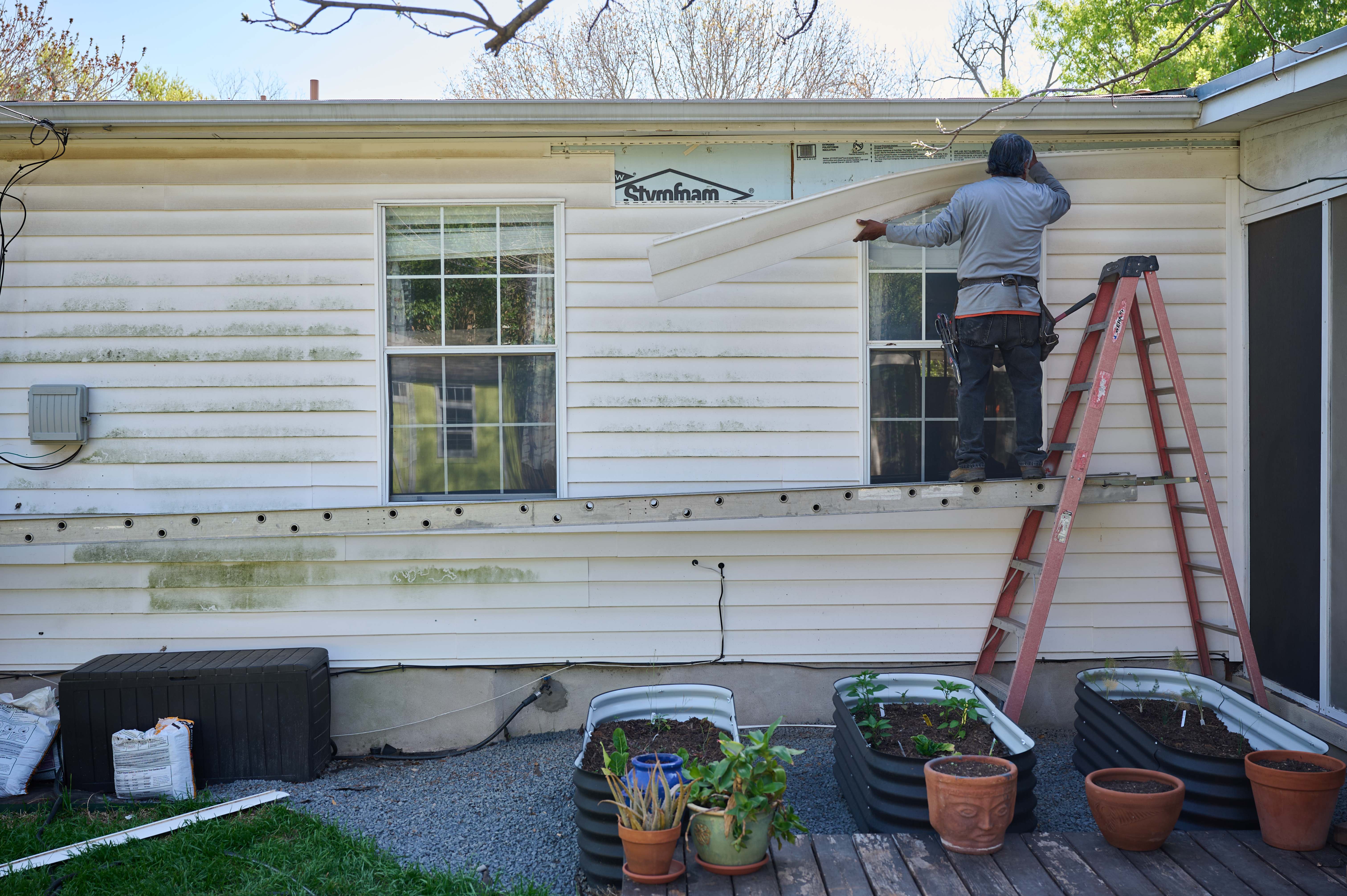
Siding underlayment varies based on the type of material, but most siding is installed on top of a vapor barrier, a moisture-resistant house wrap, sheathing made from plywood or oriented strand board (OSB), and a layer of insulation sheeting. Having the correct underlayment is a critical part of properly installing siding and will protect your home from water intrusion, structural damage, and energy loss.

The clapboard exposure, also called the reveal, refers to the amount of clapboard visible in the siding. Clapboards always overlap slightly, but some overlap more than others. The exposure is the vertical measurement of the board that remains visible as the clapboard is installed.

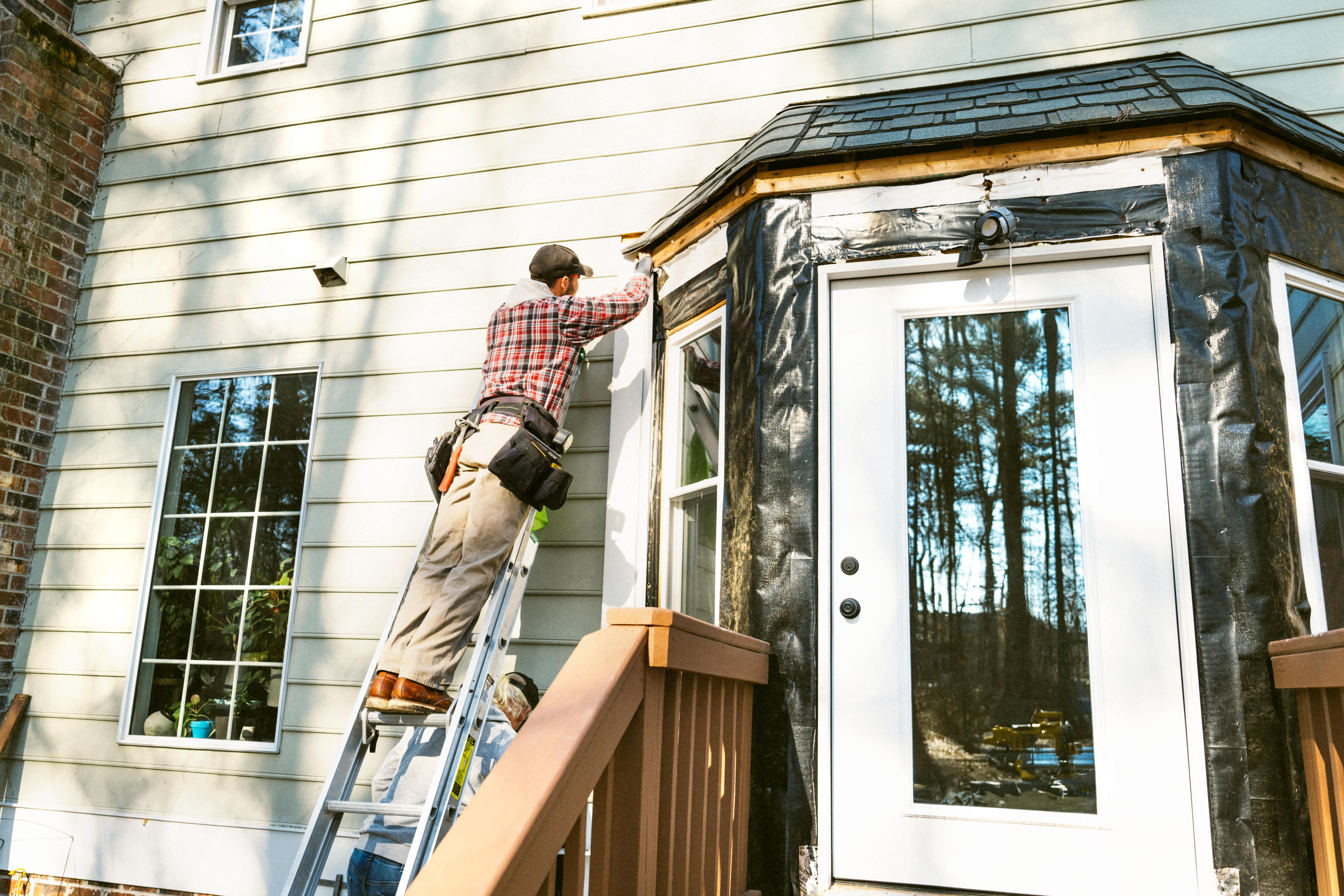
When repairing clapboard siding, it’s important that you match the exposure of your current clapboards. You may want to take a measurement of the specific exposure on your siding for reference in repairs.

You can put new siding over clapboards, but it’s not recommended. Some sidings, like vinyl siding, can go over clapboards with sheathing like a foam layer in between. However, it’s best to remove clapboard siding if you plan on replacing it with new siding. Burying wood clapboards underneath new siding can create risks of rot and mold, or hidden insect damage. It can also create warping issues over time. Removing clapboards allows you to properly install a new sheathing, as well as clean up the exterior wall and look for any signs of damage.

If you have stucco on the outside of your home, it’s technically considered cladding and not siding, but beyond that, it’s impossible to tell without a little digging. Without damaging the siding material, expose part of it to see if there’s an air gap between the siding and your exterior wall. If there is, you have cladding. If the siding is affixed directly to the exterior wall, you have a simple siding system.