




Top-rated excavation pros.

Get matched with top excavation pros in Wooster, AR

Enter your zip and get matched with up to 5 pros

Need a pro for your excavation project in Wooster, AR?

Select your specific project to find the pro for you.

TRUSTED BY WOOSTER, AR HOMEOWNERS

  • Average homeowner rating star icon4.9
    Average homeowner rating
  • Verified reviews icon11
    Verified excavation services reviews

Find Excavation pros in Wooster

Avatar for R&R Dirtworks
R&R Dirtworks
5.0(
4
)

Serving Wooster, AR and surrounding areas

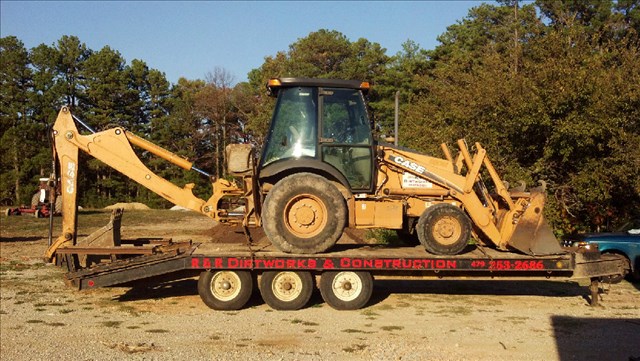
"He did a great job, the building's been here for about 2 1/2 years. He knew what to do, how to do it, and it was very quick. I've recommended him to several men that I knew were having construction projects who also had good results."
Additional Photos
Additional Photos
Additional Photos
Recommended by100%of homeowners

J&J Handyman Demolition and Remodeling
New to Angi

Serving Wooster, AR and surrounding areas

In business since 2018

Free estimates

Credit card accepted

We are a locally owned and operated company with over 5 years of industry experience. We value honesty and integrity in all aspects of our business. We offer a variety of home improvement services that are customizable to each individual project. We specialize in handyman work and a variety of related service and repair projects. We pride ourselves on the quality of our work as well as our commitment to outstanding results. We look forward to building lasting relationships with our clients and guarantee your satisfaction.\n

HYSLIP EXCAVATION LLC
New to Angi

Serving Wooster, AR and surrounding areas

In business since 2025

Free estimates

We take great pride in our experience, expertise, quality, and customer service that we provide to meet the consumer's needs. It is our mission to provide excellent workmanship and complete customer satisfaction from start to completion of a project. In order to understand the needs and expectations of our customers, we take great care to work and communicate with every customer in a professional manner. Our reputation is based on service, safety, and quality, regardless of how large or small the job.\n

Showing 1-10 of 24
Excavating questions, answered by experts

The rules for trenching and excavation include setting up and following safety protocols, learning how to use tools and machines properly, and ensuring there is a safe exit for all workers. Keep heavy equipment and materials away from the edge of the hole or trench. Call the 811 dig line before starting any excavation or trenching project to ensure you don’t hit any electrical or gas lines.

Call 811 to locate and mark the gas lines at least three days before digging. In many areas, you can dig within 18 inches of the lines, though in some locations, the distance may be further. Check local regulations, as you may need a utility company representative onsite when digging. Document your calls to 811 and precautions taken to avoid gas lines. A homeowner can be held liable for hitting a gas line in some cases, but contacting the proper authorities and following all guidelines can offer protection.

The best type of soil to build on is a mixture of sand and clay, known as loam soil. Loam soil has the best combination of these soil types to build a foundation on. The clay particles help with water retention, so it won’t erode like sandy soil might, and the sandy particles help with drainage, so you won’t see unsafe soil expansion or have an increased risk of leaks from water sitting against your foundation.

There is no standard depth for burying a septic tank; they are typically buried anywhere from 4 inches to 4 feet underground. The final depth depends on several factors, including the depth of your main sewer line, the height of the bedrock, soil type, local regulations, and the property's landscape. If you plan to grow grass or plants over the tank, a depth of at least 4 to 6 inches is recommended. Deeper tanks can be more difficult to locate, but a septic professional can help find it for you.

Water lines are buried at various depths, depending on the type of line. For example, most sprinkler lines are buried between four and 12 inches underground. On the other hand, water mains usually sit between one and 3 feet below ground. However, they can go even deeper in cold climates to prevent freezing.

The Wooster, AR homeowners’ guide to excavation services

From average costs to expert advice, get all the answers you need to get your job done.