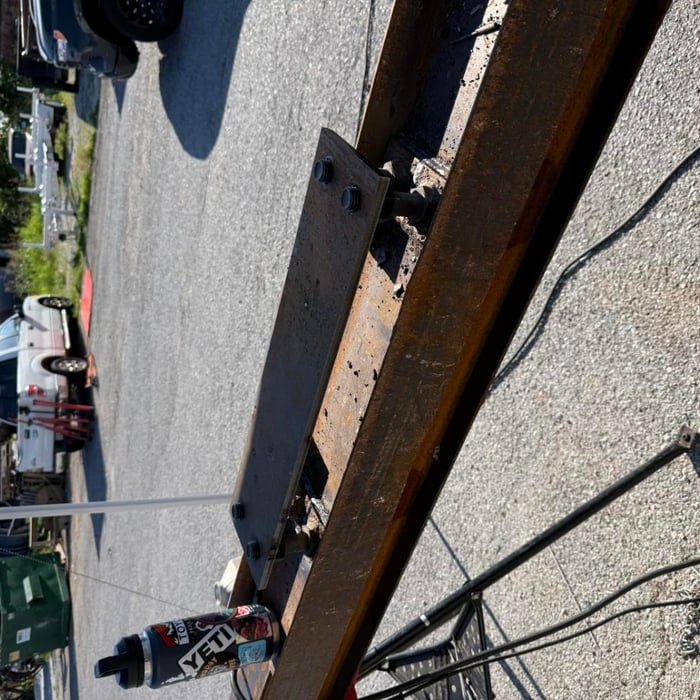
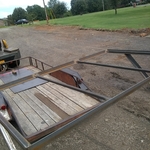
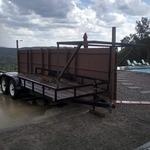
"I needed sides added to a dump trailer but knew I wanted something that could fold down for loading. Chaes came up with a design that works fantastic but also looks like it was bought that way. If it has to do with metal Chaes is the guy you want."
"I feel like I won the lottery, well for fence work. Got a thoroughly professional job by a skilled craftsman for significantly less than offers for prefab fencing with ordinary pickets - I got cedar! Curiously, I got an indirect "congrats" from a person involved in staking out where the utility lines when I quizzed him about where the lines were as one post was going to be nearby - he assured me that my choice on contractors made him "happy" too as they were never caused a problem. Bottom line I THINK you will get more for less - I did!"
"He did a fantastic job, was very easy to work with and he was very proud of his work and tried to make it look the best he could. I was very pleased!"
"Left a lot of wire laying in the grass for my mower to chew, throw, wrap around the blades, etc. Short one pole cap that was promised to bring back... never made it. Did not ensure gate opened both directions without scraping the ground. All, except the wires messing up the mower, were minor but still not the mark of a professional. The wires (some 4 feet long) were way more than just an inconvenience, they were actually a safety hazard. Sorry, but the truth is the truth."
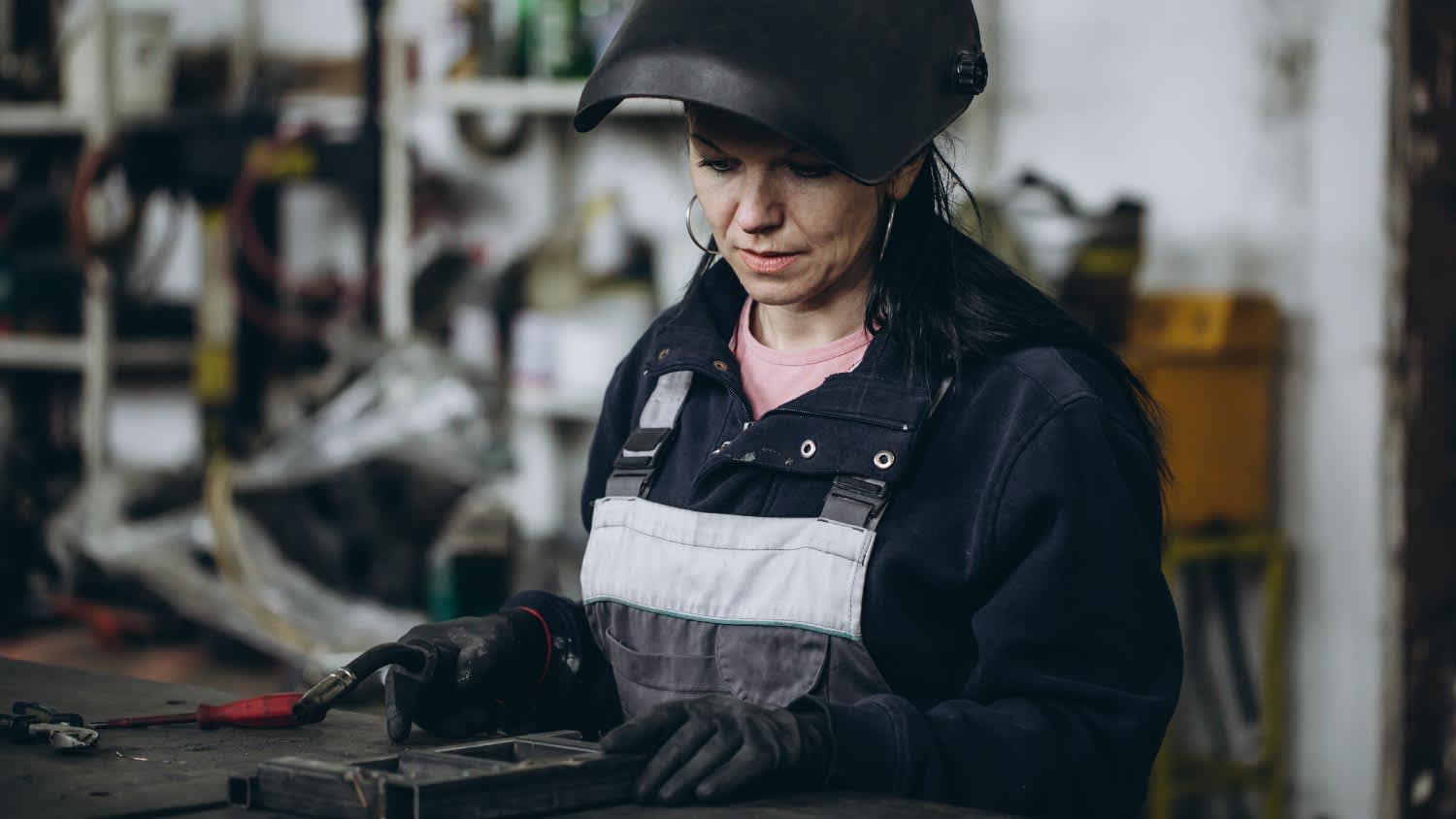
You should not do your own welding unless you have the proper training and experience. Most home electrical systems can only handle MIG welding, which creates weaker bonds than TIG welding and won’t work on certain metals or metal thicknesses. Both welding forms usually require the use of shielding gas, which can be dangerous to store at home. Additionally, welding machines create temperatures of over 3,000 degrees, and the sparks can blind you if you don’t have the proper equipment. As such, it’s usually better to hire a professional welder for your welding projects.
The cost to weld aluminum averages about $14 to $22 per pound. The type of metal factors into the overall cost of any welding project due to the cost of the materials and the expertise required to work with it.
Some of the most common metals used by welders include:
Magnesium alloy: $7–$16 per pound
Low-carbon steel: $11–$12 per pound
Stainless steel: $13–$15 per pound
Copper/brass: $24–$29 per pound
Cast iron: $38–$79 per pound
Titanium: $60–$85 per pound
Welders use a variety of methods in their trade. Different types of welding are better suited for different purposes and contexts. For example, stick welding is a versatile form suitable for most metals and alloys.
The most common types of welding include:
Stick welding: $100–$1,000
Metal Inert Gas (MIG) welding: $250 and up
Tungsten Inert Gas (TIG) welding: $250 and up
Gas welding: $150 and up
Forge welding: $15–$25 per hour
Cutting round ductwork requires precision and the right tools. A duct cutter, specifically designed for circular ducts, is ideal. First, mark the cutting line on the duct using a measuring tape and pencil. Then, position the duct cutter's blade on the marked line. Apply steady pressure, rotating the cutter around the duct. The sharp blade creates a clean, precise cut. Alternatively, a reciprocating saw with a metal-cutting blade can be used for larger round ducts. Ensure the duct is securely held in place while making the cut to prevent slips and maintain accuracy.
Yes, you can cut plexiglass by hand using a sharp knife or blade (utility knife, box cutter, glass cutter, etc.).
The Greenwood, AR homeowners’ guide to welding services
From average costs to expert advice, get all the answers you need to get your job done.
When you need help with a metal project and don’t have the expertise or the time, call an expert welder for your project. Here’s how to vet and hire a welder.