






Top-rated welders.

Get matched with top welders in Paris, AR

Enter your zip and get matched with up to 5 pros

Need a pro for your welding project in Paris, AR?

Select your specific project to find the pro for you.

Find Welders in Paris

Avatar for Bixler Fence
Bixler Fence
4.9(
54
)

Serving Paris, AR and surrounding areas

Approved

Super Service Award Winner

In business since 2009

Free estimates

Customers say: True professional

"I feel like I won the lottery, well for fence work. Got a thoroughly professional job by a skilled craftsman for significantly less than offers for prefab fencing with ordinary pickets - I got cedar! Curiously, I got an indirect "congrats" from a person involved in staking out where the utility lines when I quizzed him about where the lines were as one post was going to be nearby - he assured me that my choice on contractors made him "happy" too as they were never caused a problem. Bottom line I THINK you will get more for less - I did!"
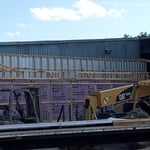
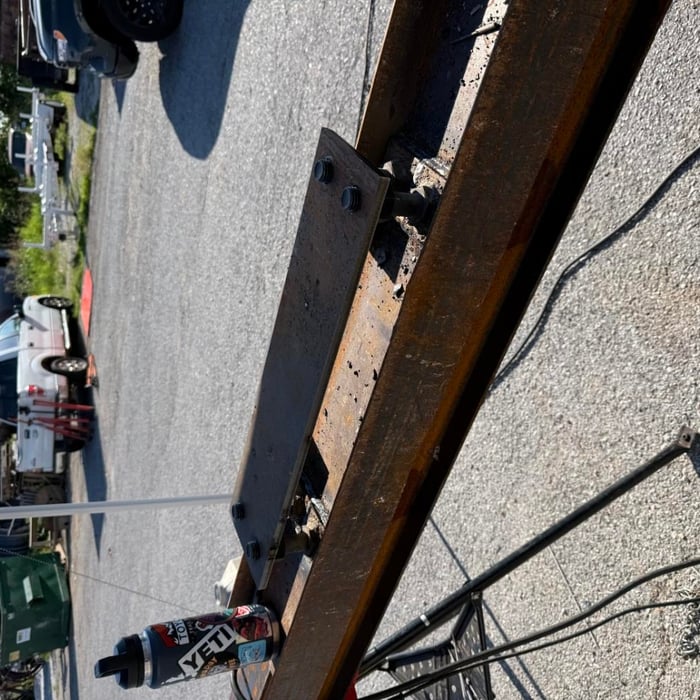
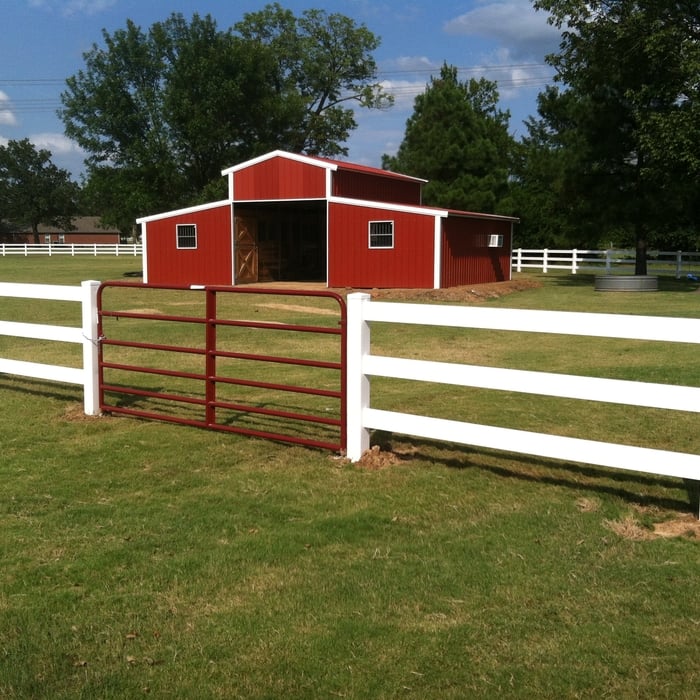
Front view from street
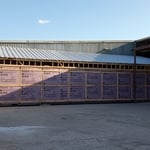
Side view
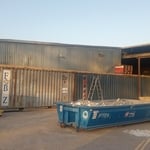
End view
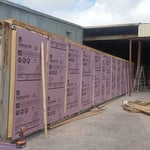
Corner
Front stable view

+37

Response time8 hrs
17 neighbors recently requested a quote
Recommended by91%of homeowners
Avatar for R&R Dirtworks
R&R Dirtworks
5.0(
4
)

Serving Paris, AR and surrounding areas

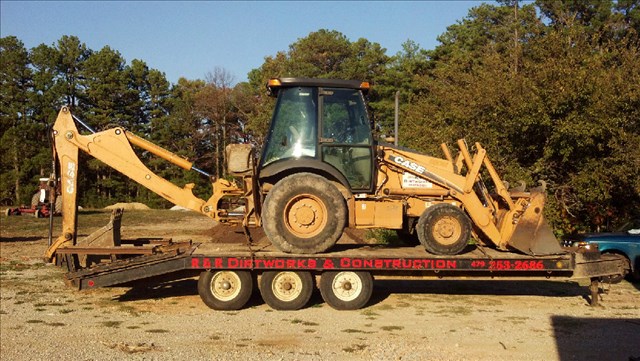
"All the materials I've purchased from him have been completely satisfactory. He finds out what you need and makes sure that you're getting exactly what you need. I've never heard of him not completing a project. He'll let you know of any unexpected things that you might encounter as well."
Additional Photos
Additional Photos
Additional Photos
Recommended by100%of homeowners
Showing 1-10 of 33
Welding questions, answered by experts

The cost to weld aluminum averages about $14 to $22 per pound. The type of metal factors into the overall cost of any welding project due to the cost of the materials and the expertise required to work with it. Some of the most common metals used by welders include:

  • Magnesium alloy: $7–$16 per pound

  • Low-carbon steel: $11–$12 per pound

  • Stainless steel: $13–$15 per pound

  • Copper/brass: $24–$29 per pound

  • Cast iron: $38–$79 per pound

  • Titanium: $60–$85 per pound

Cutting round ductwork requires precision and the right tools. A duct cutter, specifically designed for circular ducts, is ideal. First, mark the cutting line on the duct using a measuring tape and pencil. Then, position the duct cutter's blade on the marked line. Apply steady pressure, rotating the cutter around the duct. The sharp blade creates a clean, precise cut. Alternatively, a reciprocating saw with a metal-cutting blade can be used for larger round ducts. Ensure the duct is securely held in place while making the cut to prevent slips and maintain accuracy.

Choosing the right metal fabricator for your project begins with research. Find a reputable fabrication company by searching for reputable contractors in your area, and then reviewing photos of their previous work, customer reviews, and photos of the company’s workshop.

Once you’ve narrowed down the list, contact the companies to ask about the types of metal fabrication projects they specialize and inquire about guarantees and warranties on workmanship. You should also ensure the company uses high-quality material, and ask about the schedule and turnaround time for your proposed project.

The average cost for a welding project is about $300, with typical costs ranging from $125 to $490. However, prices can be as low as $125 for very small jobs or exceed $1,200 for large or complex projects. Welders typically charge an hourly rate between $65 and $150, depending on their experience, and many charge a minimum fee to cover overhead and travel expenses. The total cost is influenced by several factors, including labor, the cost of materials like metal rods and shielding gas, the type of metal being welded, the project's size and complexity, and your geographic location. For a precise quote, it's best to ask a local welder for an estimate based on your specific project.

Cutting rectangular ductwork requires careful measurements and the right technique. Use a measuring tape and pencil to mark the cutting lines accurately. Tin snips are excellent for straight cuts on smaller ducts. For more extensive or thicker rectangular ducts, a reciprocating saw with a metal-cutting blade is effective. 

Ensure the duct is well-supported and secure while cutting to prevent wobbling and maintain precision. After cutting, use a metal file to smooth any sharp edges, ensuring safety during installation. 

The Paris, AR homeowners’ guide to welding services

From average costs to expert advice, get all the answers you need to get your job done.