


Top-rated generator install pros.

Get matched with top generator install pros in De Queen, AR

Enter your zip and get matched with up to 5 pros

Need a pro for your generator install project in De Queen, AR?

Select your specific project to find the pro for you.

Find Generator install pros in De Queen

Avatar for Urban Lighting
Urban Lighting
New to Angi

Serving De Queen, AR and surrounding areas

In business since 2015

Free estimates

Emergency services offered

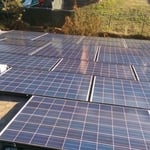
At Urban Lighting, we pride ourselves on being professional and trustworthy. Give us a call for your free estimate and see how much money we can save you! We are able to provide all electrical services as well as solar which is our specialty. Call now!

Solar
Solar Placement
Response time2 days
Response rate100%
Generator Install questions, answered by experts

If you’re wondering whether gas generators produce carbon monoxide, know that natural gas generators do not produce carbon monoxide if they are functioning properly, as natural gas burns cleanly. However, if the generator malfunctions and the gas does not burn completely, there is potential for carbon dioxide to be produced. To prevent malfunctions, it's crucial to perform regular maintenance, including running the generator weekly and scheduling professional inspections every 6 to 12 months. Also, be sure to test your carbon monoxide detectors regularly to ensure they function in the rare case of the generator producing carbon monoxide.

Whole-house generators need to be installed on level ground several feet away from walls and other objects. Because they tap into the electrical system directly, they usually need to be close to your home electrical panel for a transfer switch installation. It also helps with installation if they are near to a gas line or propane tank installation.

Here’s what you can run with different wattages and types of generators:

Portable generator:

  • 2,000 watts can handle a large appliance like a freezer or refrigerator, plus a few smaller items like phones or computer chargers. 

  • 4,000 watts will keep two large appliances operating and a few smaller devices.

  • 8,000 watts should power most essential appliances and other devices, including a sump pump, well pump, or your dishwasher.

Partial to whole-house generator:

  • 20,000 watts and above will make it seem like your home’s power is still on.

Energy output depends on turbine size, average wind speed at your site, and system efficiency. A 5 kW turbine in a good wind location can generate 8,000 to 12,000 kilowatt-hours per year, which may cover a large portion of an average home’s needs. Accurate output estimates require a professional wind assessment and a review of your household’s energy usage patterns.

Yes, installing a generator usually increases your property value because buyers are getting the added peace of mind knowing they’ll be able to maintain power through blackouts. In most cases, you should see close to a 100% return on investment (ROI). Keep in mind that home generators usually need a permanent foundation, and installing a concrete slab will likely raise your property taxes slightly.

The De Queen, AR homeowners’ guide to generator installs

From average costs to expert advice, get all the answers you need to get your job done.