

Top-rated generator install pros.

Get matched with top generator install pros in Horatio, AR

Enter your zip and get matched with up to 5 pros

Need a pro for your generator install project in Horatio, AR?

Select your specific project to find the pro for you.

Find Generator install pros in Horatio

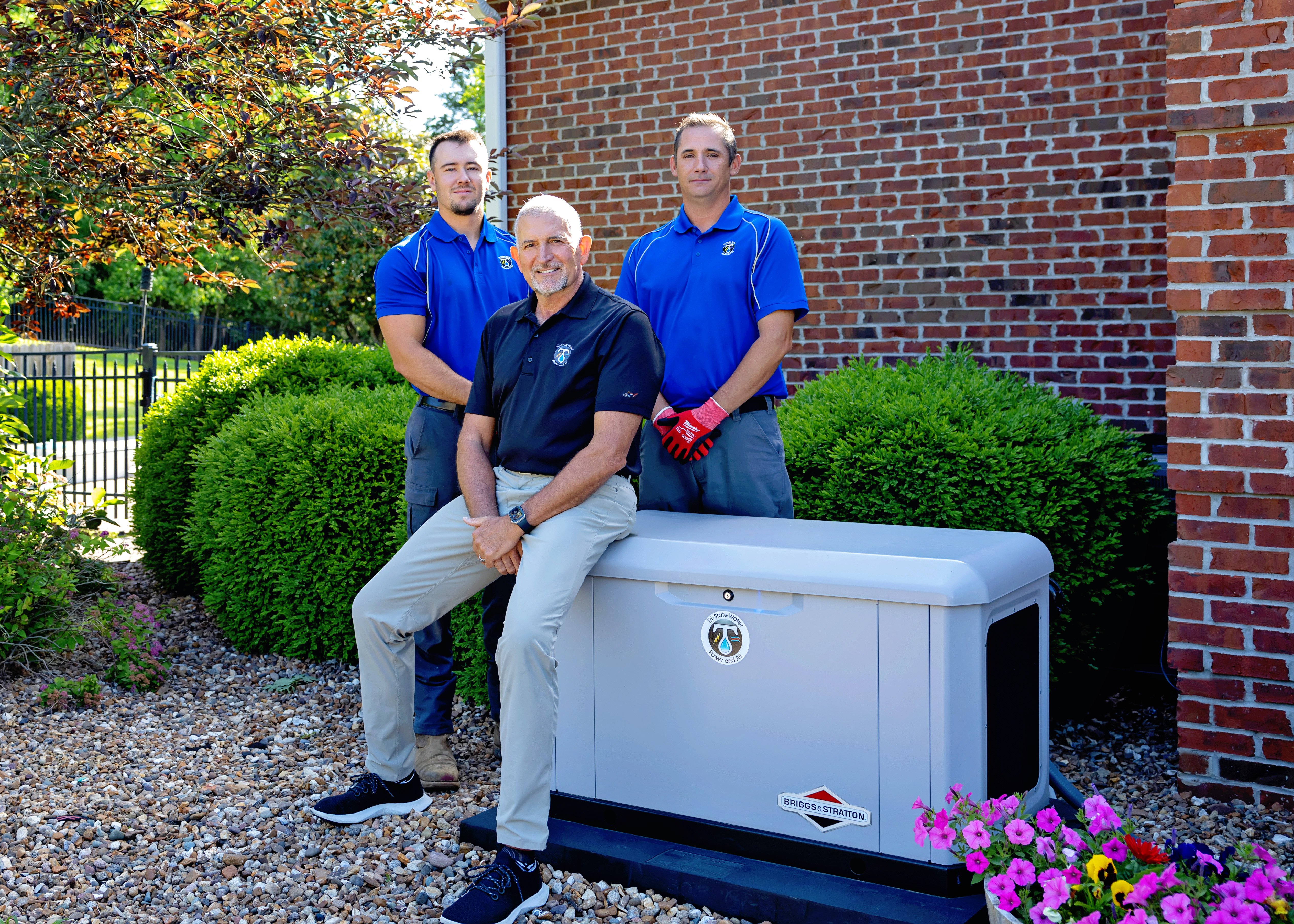
Avatar for Tri-State Water, Power & Air
Tri-State Water, Power & Air
4.4(
5
)

Serving Horatio, AR and surrounding areas

Approved (Corporate)

In business since 1992

Free estimates

Emergency services offered

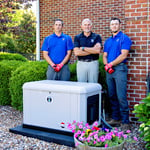
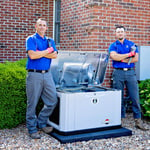
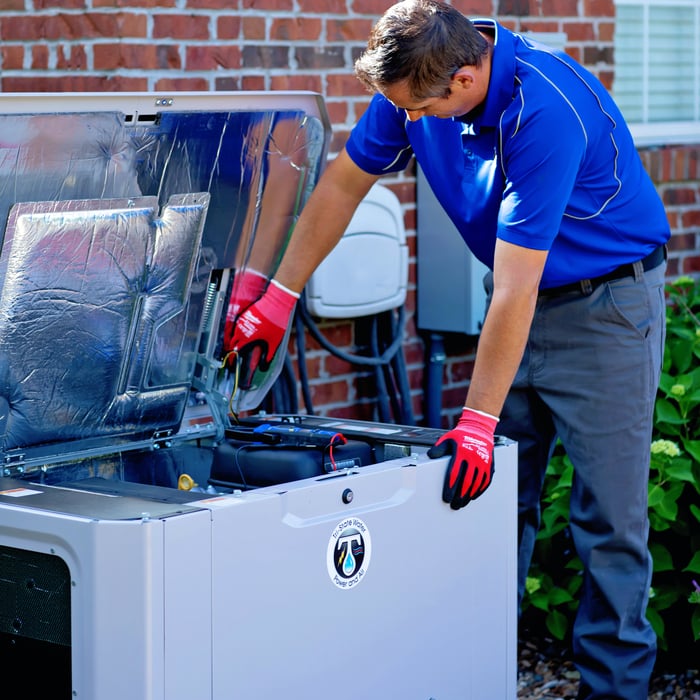
We are the experts in the field of Whole Home Generator Sales and Installation, with over 20 years of experience in the game. We provide turn-key installation by licensed professionals - 24 hour emergency service - Remote Monitoring - Long term maintenance and service by factory trained technicians.
Additional Photos
Additional Photos
Additional Photos
Additional Photos
Additional Photos

+2

122 neighbors recently requested a quote

Avatar for Urban Lighting
Urban Lighting
New to Angi

Serving Horatio, AR and surrounding areas

In business since 2015

Free estimates

Emergency services offered

At Urban Lighting, we pride ourselves on being professional and trustworthy. Give us a call for your free estimate and see how much money we can save you! We are able to provide all electrical services as well as solar which is our specialty. Call now!

Solar
Solar Placement
Response time2 days
Response rate100%
Generator Install questions, answered by experts

A 10,000-watt generator can run a small to mid-sized central AC unit (typically up to 3 tons or 36,000 BTU) along with a few other appliances. However, larger AC units or additional loads will require a bigger generator. Consult a local generator installer to ensure you add the correct size generator to your home.

To determine the right size generator for your house, you should calculate the total wattage of the appliances and devices you want to power during an outage. List all essential items, note their start-up wattages, and add them together.

Here are some typical wattage requirements for common appliances:

  • Refrigerator: 600 watts

  • Large dehumidifier: 700 watts

  • Large window air conditioner: 1,400 watts

  • Water heater: 3,000 to 4,500 watts

  • Electric furnace: 5,000 to 25,000 watts

A 7,500-watt generator might be sufficient for essentials like a refrigerator, freezer, well pump, and lighting circuits. However, for high-demand items like a water heater or furnace, a whole-home generator is a better choice. A portable generator may be enough if you only need to power a few critical items.

While home square footage can offer a rough estimate, it is not always a reliable indicator. For reference, here are some typical generator sizes based on square footage:

  • 1,000 sq ft: 6–9 kW

  • 1,500 sq ft: 7–10 kW

  • 2,000 sq ft: 10–14 kW

  • 2,500 sq ft: 12–16 kW

  • 3,000 sq ft: 16–20 kW+

For the most accurate sizing, consult a professional who can calculate your home's peak and average power consumption and recommend the optimal generator.

It’s usually better to repair your generator if it isn’t working properly, as it will typically be much more affordable and should yield similar results. Generator repairs cost around $300 on average, while installing a new whole-house generator costs around $5,000 on average. The only exception is if you know your generator is reaching the end of its useful life, usually between 30 and 40 years. If you have an older generator, you could face multiple repairs in the coming years, which might mean that a full replacement will be more cost-effective over time.

Natural gas and electricity rates vary significantly based on location, and pricing can change over time, too. It’s possible that in locations where natural gas is particularly inexpensive, it will cost less than grid-based electricity will. However, you should also factor in the generator’s initial costs and maintenance needs, as well as its noise level and if it can comfortably power all your home appliances.

Potential benefits of using a natural gas generator include reducing your carbon footprint, lower likelihood of carbon monoxide exposure, budget-friendly operating costs, and low-maintenance, continuous fuel supply. Some possible drawbacks, though, include higher initial installation costs, dependency on a natural gas supply, and installation complexity. Keep in mind that pros and cons will vary based on the type and brand of natural gas generator. 

The Horatio, AR homeowners’ guide to generator installs

From average costs to expert advice, get all the answers you need to get your job done.