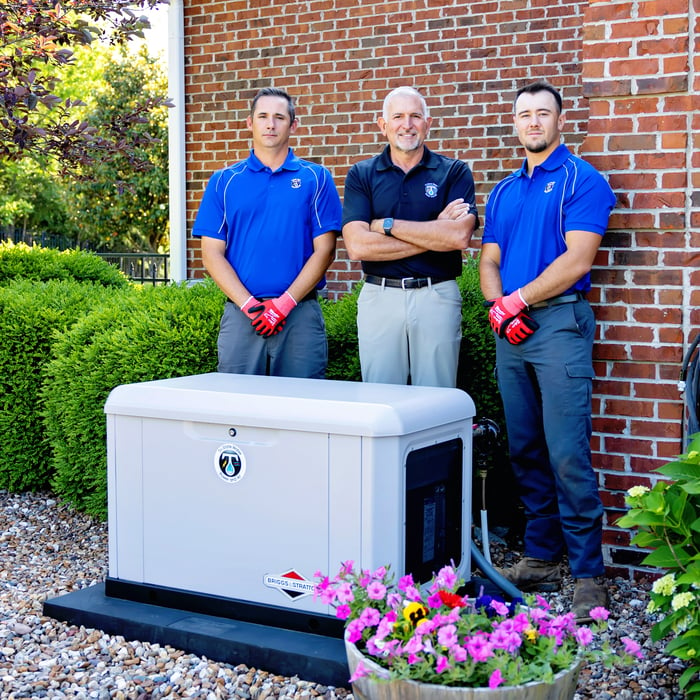


Top-rated generator install pros.

Get matched with top generator install pros in Murfreesboro, AR

Enter your zip and get matched with up to 5 pros

Need a pro for your generator install project in Murfreesboro, AR?

Select your specific project to find the pro for you.

Find Generator install pros in Murfreesboro

Avatar for Elite Power Services
Elite Power Services
5.0(
14
)
Fixed Generator - InstallGenerator - Install - For Business

Serving Murfreesboro, AR and surrounding areas

In business since 2023

Free estimates

Warranties offered

"Super clean install. Chad and Carl left the install area spotless. They explained the operation of the generator. I will be recommending them to my family and letting Generac know how well they represent them."
Response time1 day
Recommended by92%of homeowners
Generator Install questions, answered by experts

You can expect a diesel generator to last for up to 30,000 hours of use, which works out to 20 to 25 years with the proper maintenance, of course. That depends on how much you use it, so a diesel generator used for emergencies a couple of times a year will last a lot longer than a generator that takes over for a faulty electrical grid every month for a day or two. 

Yes. You can connect your home back-up battery to a generator with its designated charger. Be sure that the output of the generator matches the input requirements for the battery for best results.

The amount of time a standby generator can run continuously is around 3,000 hours on average. However, standby generators can generally run indefinitely as long as they have a continuous fuel supply. Generators hooked up to a home’s natural gas supply are the best option for extended usage, as these won’t rely on a finite fuel supply based on how much you have in storage. Generators running on liquid propane or diesel won’t last as long, as these require fuel storage and regular refueling to stay running.

In many cases, yes. There are models called dual-fuel generators and fuel switches, but only between certain types of fuel. For example, with the right setup you can convert a generator from natural gas to propane. Some allow switching between diesel and gasoline. There are even tri-fuel generators available in some cases, which adds a large layer of security if you are worried about fuel availability in times of crisis. Always check your generator capabilities and manual instructions before trying to switch fuels. Some generators can use another fuel but may need a fuel conversion kit to prep them first.

The average cost to install a home generator is $5,200, but total costs can range from $500 to $18,000 or more. The final price depends on several factors, including the generator's size, type, brand, fuel source, and the cost of labor and assembly. The generator's size is the most significant cost factor, as units that can power larger homes with higher energy demands cost more.

Cost breakdowns by generator type are typically as follows:

  • Portable or Emergency Backup Generators (1kW–7.5kW): $500–$2,000

  • Partial-Home Generators (9kW–20kW): $2,000–$6,500

  • Whole-House Generators (22kW–48kW): $5,000–$18,000

To ensure you get the right size unit for your needs without overpaying, consider hiring an electrician to calculate the electrical load of your essential appliances. It is also recommended to get at least three quotes from qualified installers to find the best fit for your budget.

The Murfreesboro, AR homeowners’ guide to generator installs

From average costs to expert advice, get all the answers you need to get your job done.