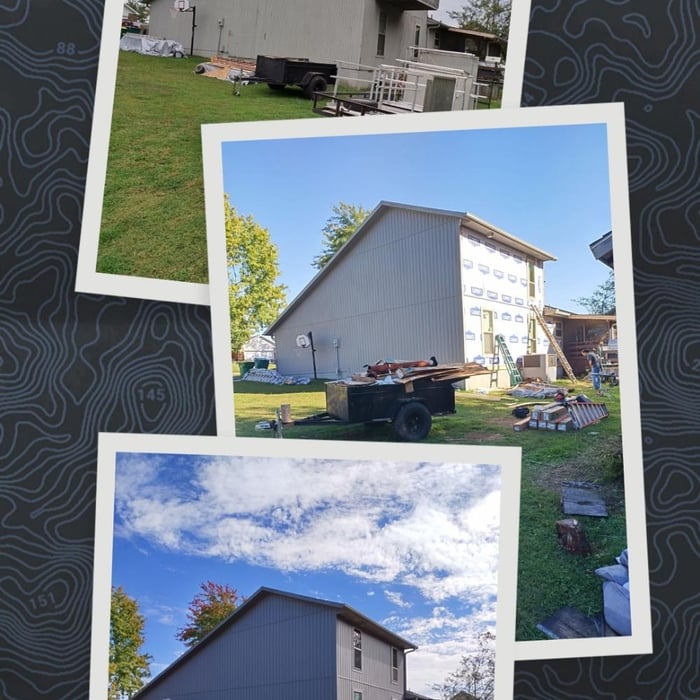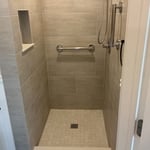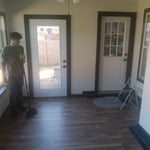








Top-rated drywall pros.

Get matched with top drywall pros in Cedarville, AR

Enter your zip and get matched with up to 5 pros

Need a pro for your drywall service project in Cedarville, AR?

Select your specific project to find the pro for you.

Find Drywall pros in Cedarville

E & C Painting & Drywall Finish, LLC
4.6(
5
)
Drywall - RepairDrywall - Repair - For Business

Serving Cedarville, AR and surrounding areas

In business since 2016

Free estimates

"I recommend E & C Painting and Drywall Finish LLC for any of your Home improvement jobs. Ediver and his crew are professional, highly skilled and were a pleasure to deal with. They exceeded our expectation, paid attention to every detail and were prompt each day of the job. They repaired walls, baseboards and other damages prior to painting and the end results were perfect. They even replaced some ceiling lights and fan for us. We will use them again for our next project or projects without hesitation. Highly, Highly recommend!"
Response time3 days
Recommended by100%of homeowners
Avatar for Pristine Home Solutions LLC
Pristine Home Solutions LLC
5.0(
8
)
Drywall - Repair

Serving Cedarville, AR and surrounding areas

In business since 2025

Credit card accepted

"Josh did a great job painting a stairwell with very high ceilings as well as a landing with lots of doorways at my house. He was very professional and communicative. I’d highly recommend!"
Epoxy coatings
Epoxy coatings
Epoxy coatings
Epoxy coatings
Epoxy coatings

+92

Response time2 hrs
Response rate100%
Avatar for Hudson Custom Painting
Hudson Custom Painting
5.0(
6
)
Drywall - InstallDrywall - Install - For BusinessDrywall - Repair+1 more

Serving Cedarville, AR and surrounding areas

In business since 1999

Free estimates

Credit card accepted

"Hudson painting is a true professional. Nathan is a veteran who learned his craft working for his father as a young man. After his return from serving his country he picked up his craft once again. A job well done from start to finish. You can count on his word and starting a job on time thru completion. Five Star Job"
Painting - Exterior Project
Painting - Interior Project
Additional Photos
Additional Photos

+61

Recommended by100%of homeowners
...
Showing 1-10 of 109
Drywall questions, answered by experts

Although they have similar applications, spackle and joint compound are not the same. Their primary differences lie in their composition, consistency, and ideal use cases.

Spackle is composed of gypsum and binding agents, making it thicker than joint compound. It dries quickly and is easy to sand, which makes it ideal for small wall repair projects like filling nail holes or patching minor damage.

Joint compound, also known as drywall mud, consists of limestone and gypsum. It is primarily used for large-scale projects, such as taping and finishing the seams on newly installed drywall. It tends to shrink more than spackle and can be more difficult to spread.

While both products can be used to fill small depressions and cracks, spackle cannot replace joint compound for taping and mudding new drywall. Conversely, you can often use joint compound for small patching jobs typically done with spackle.

It’s not a good idea to plaster over broken plaster (unless by broken you’re referring to cracked, in which case that’s perfectly fine). However, broken plaster can be a sign of a larger underlying issue like foundation damage or severe damage to the lath holding up the plaster, so it’s worth investigating before you simply plaster on top of the damage.

To hide drywall edges, you need to properly apply drywall tape and multiple layers of joint compound. These materials hide the seams between drywall sheets and fill the holes from drywall screws, leaving behind a smooth, flat finish to paint over. Apply joint compound smoothly, and finish the job by sanding the walls to make sure you fully hide drywall edges and other imperfections.

If the holes in the plaster are small, you can fill them with layers of patching plaster until they’re filled. After it dries, you can sand the plaster and paint over it. If the hole is much larger, consider using bonding plaster first and then a layer of patching plaster, completing the process with sanding and a layer of paint.

The amount of drywall you need for a 1,000-square-foot basement depends on the ceiling height, angles, number of doors and windows, and more. To find the wall square footage, multiply the width and height of each wall, minus any gaps from windows or doors, and add the totals together. You’ll also need enough drywood nails or screws to install the drywall correctly.

The Cedarville, AR homeowners’ guide to drywall services

From average costs to expert advice, get all the answers you need to get your job done.