
Top-rated asphalt driveway pros.

Get matched with top asphalt driveway pros in Carlisle, AR

Enter your zip and get matched with up to 5 pros

Need a pro for your asphalt driveway service project in Carlisle, AR?

Select your specific project to find the pro for you.

Find Asphalt driveway pros in Carlisle

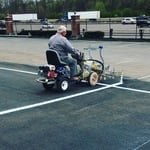
Precision Seal Coating and Striping
New to Angi
Asphalt SealingAsphalt Paving - Repair or Patch

Serving Carlisle, AR and surrounding areas

Approved

In business since 2021

Free estimates

Offers commercial services
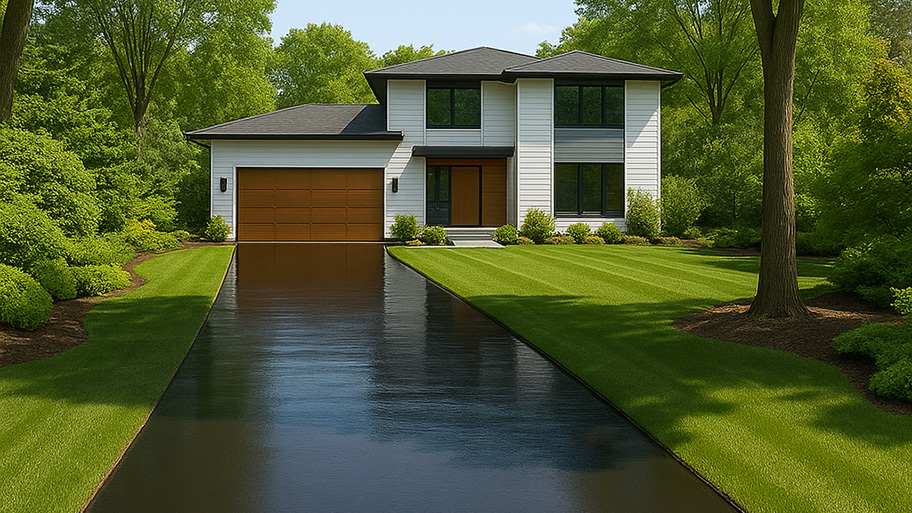
We take great pride in our experience, expertise, quality and customer service that\nwe provide to meet your needs. It is our mission to provide excellent workmanship\nand complete customer satisfaction from start to completion of a project. \nIn order to understand the needs and expectations of our customers,\nwe take great care to work and communicate with every customer a professional manner.\nOur reputation is based on service, safety and quality, regardless of how large\nor small the job.

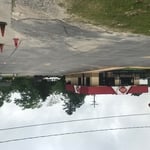
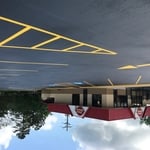
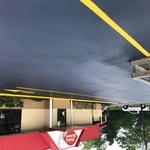
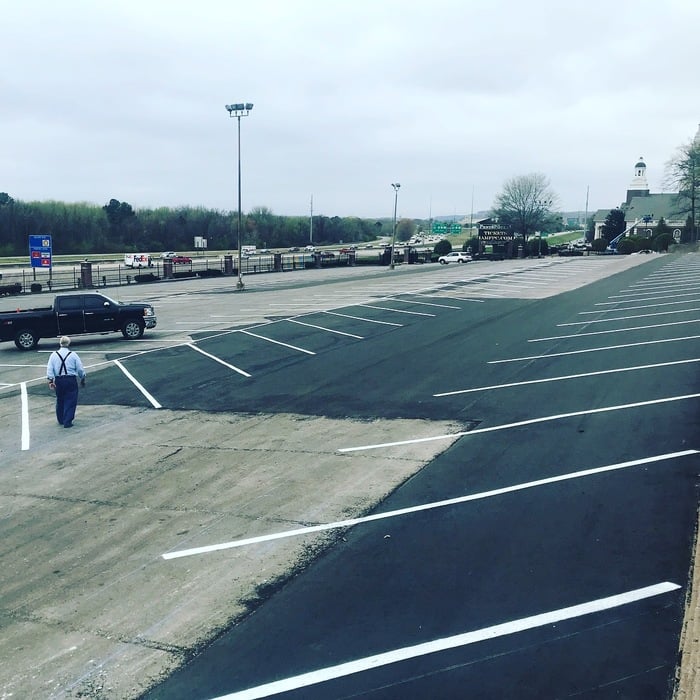
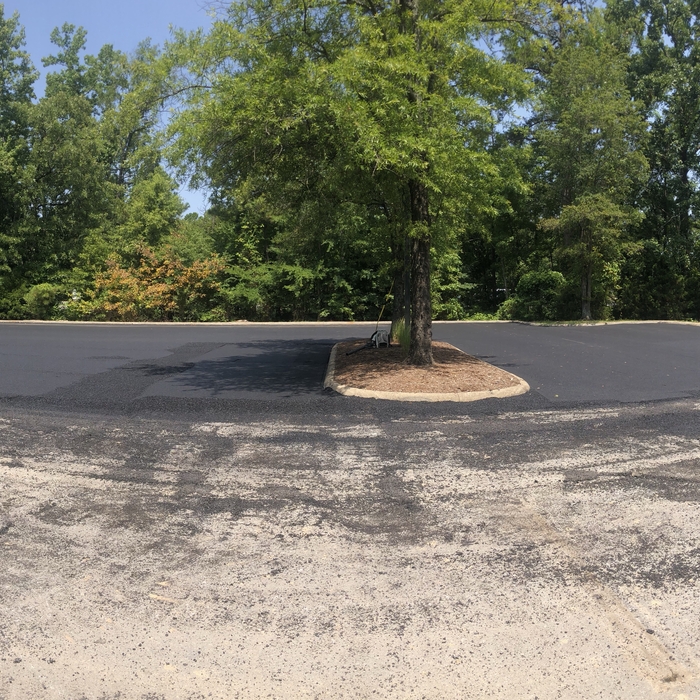
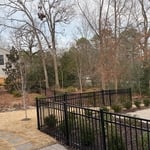
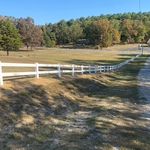
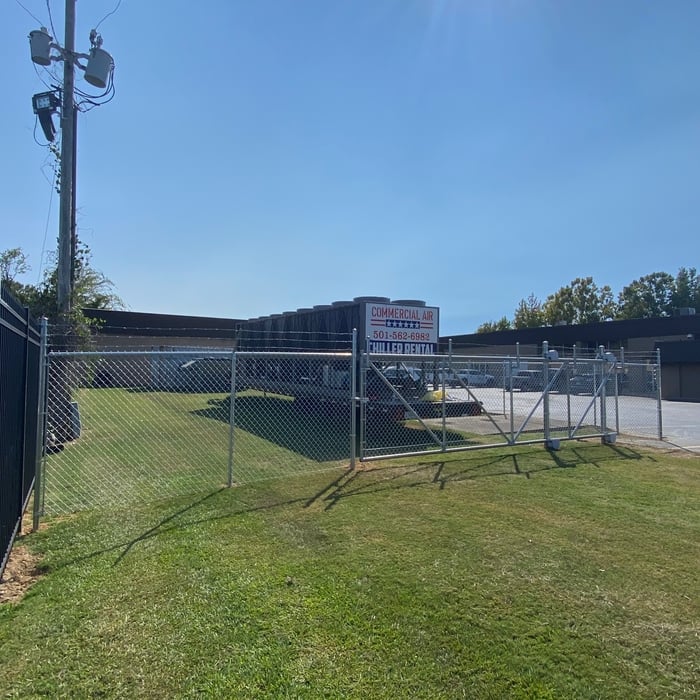
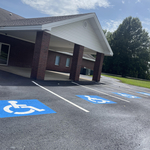
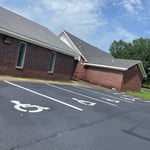
Church Parking Lot
2
3
4
5

+6

Response time2 days
Response rate90%
43 neighbors recently requested a quote
...
Showing 1-10 of 71
Asphalt Driveways questions, answered by experts

Asphalt and tarmac are not the same thing. Traditional tarmac, short for tarmacadam, uses tar as a binder to hold crushed stone together. Asphalt uses bitumen—a byproduct of crude oil—to bind aggregate. Though tarmac was once a go-to for roads, asphalt has become the modern standard. And these days, most surfaces referred to as “tarmac” are actually asphalt. So, while the names may overlap, the key distinction lies in the binder—tar for tarmac and bitumen for asphalt.

While some areas may allow for a slope of up to 20%, this is often the maximum slope for driveways, with a few exceptions of up to 25%. Other regions may have a maximum of 12%, 15%, or 18%, so check with your local building department to ensure you’re laying a driveway that is up to code for your location.

If your driveway is cracked, you can repave it with a process called asphalt overlay. Overlay is more cost-effective than a full replacement but is better suited for minor cracks and issues. If you have major cracks or other problems like water pooling, asphalt overlay isn’t your best bet. Plus, paving over a cracked driveway only extends the lifetime by about 10 years, whereas replacing it would start the clock over completely to give you up to 30 years.

By grading and compacting the base soil, ensuring proper drainage and stability.

New asphalt typically needs 24 to 72 hours to dry before it can handle light foot traffic and careful driving. Although it may appear solid after a few days, the full curing process, where the asphalt reaches its peak strength, takes much longer—generally from 30 days to a year.

During this extended curing time, the surface remains relatively soft and can be damaged by heavy vehicles, sharp objects, or high temperatures. To protect your investment, it's best to avoid parking heavy machinery on the asphalt until it has fully cured.

The exact time required for drying and curing depends on several factors, including the weather, the specific asphalt mix, and its thickness. For the most accurate advice tailored to your situation, consult with your asphalt contractor.

The Carlisle, AR homeowners’ guide to asphalt driveway services

From average costs to expert advice, get all the answers you need to get your job done.