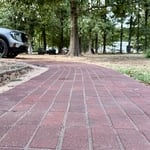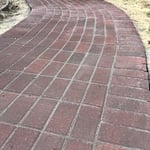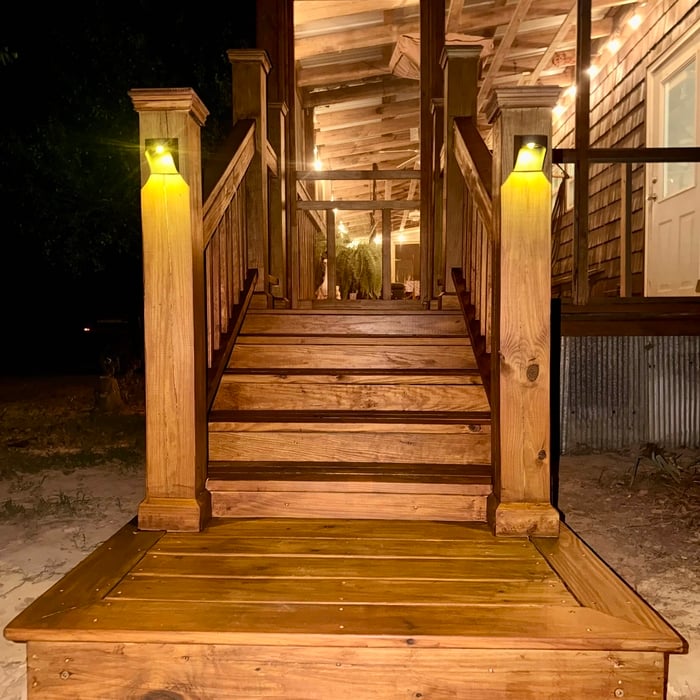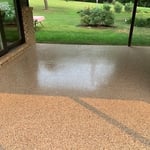






Top-rated deck maintenance specialists.

Get matched with top deck maintenance specialists in Caraway, AR

Enter your zip and get matched with up to 5 pros

Need a pro for your deck maintenance project in Caraway, AR?

Select your specific project to find the pro for you.

Find Deck maintenance specialists in Caraway

Avatar for AbleMen Services, LLC
AbleMen Services, LLC
5.0(
4
)

Serving Caraway, AR and surrounding areas

In business since 2022

Free estimates

Emergency services offered

"It went really well!! They were fast,replaced railing and reinforced wheelchair ramp, and replaced floor where it was needed in a few hours! I have no complaints and would hire again"
Additional Photos
Additional Photos
Additional Photos
Additional Photos
Additional Photos

+12

Recommended by100%of homeowners
...
Showing 1-10 of 54
Deck Maintenance questions, answered by experts

Materials for a second-story deck must be weather- and rot-resistant, though the specific choices will largely be determined by your budget and style preference. Pressure-treated wood is on the lower end of the price scale, but it can be customized and stained the way you like it. Composite, on the other hand, is pricier for installation and has fewer options for customization, but you’ll save money and time in the long run because it requires little maintenance.

Cold temperatures can make your deck boards contract. If they don’t contract evenly, they can put pressure on the deck screws and cause them to pop out, making a noticeable sound. Winterizing your deck can help prevent this from happening.

Yes, you can build a deck over your outdoor HVAC unit, but you need to leave at least 5 feet of vertical clearance above the unit. If you don’t want your deck to be that high off the ground, you could build a floating deck in another part of your yard—again, as long as you leave at least 4 feet of horizontal space between the deck and your AC unit.

The overhang, or nosing, of deck steps is another area that will be covered in building code requirements. The noses on your deck steps should have a minimum overhang of ¾ inch. For safety, usability, and code compliance, the nosing of deck steps should not extend past 1¼ inches.

Ideally, a gate should be able to swing both in and out. However, if it can only open in one direction, it is generally best for it to swing inward. This is often the safest option, especially for deck gates near steps, as you'll want the gate to swing away from the stairs. An inward swing also prevents the gate from opening into a public space, like a sidewalk, and can be more convenient when carrying heavy items like a wheelbarrow into a garden.

There are exceptions, however. The layout of your property may require a different approach. For example, if your property is on a slope, the gate may not be able to swing inward. You should also ensure the gate can open fully without colliding with any objects or blocking access to other areas. For a backyard garden gate where public access isn't a concern, the direction it swings is largely a matter of personal preference. Finally, always check your local building codes, as they may have specific requirements for which way a gate must swing.

The Caraway, AR homeowners’ guide to deck maintenance services

From average costs to expert advice, get all the answers you need to get your job done.