




Top-rated deck maintenance specialists.

Best deck maintenance specialists near Lake City, AR

Enter your zip and get matched with up to 5 pros

Need a pro for your deck maintenance project in Lake City, AR?

Select your specific project to find the pro for you.

Top-Rated Deck maintenance specialists in Lake City - Updated Nov 2026

...
Showing 1-10 of 67
Deck Maintenance FAQs, answered by experts

The best way to sand a deck is by cleaning it, sanding the boards and stairs with 60- or 80-grit sandpaper, and sanding the railings and posts with 80-grit sandpaper. You should sand in the direction of the wood grain to avoid damaging the timber. When sanding your deck, use medium pressure and aim for an even sand. Pressing too hard with a sander can damage decks, as most are softwoods.

It is recommended to clean your deck once or twice a year to prevent the accumulation of dirt, debris, mold, and mildew. The ideal times for cleaning are in the spring and fall. A spring cleaning removes grime that has built up over the winter, preparing your deck for summer use. A fall cleaning washes away messes from summer activities, preventing them from setting into the wood over the winter. The exact frequency can depend on factors such as how often the deck is used, its exposure to pollen, and whether salt was used on it during the winter. Regular cleaning helps protect the wood and its finish from damage.

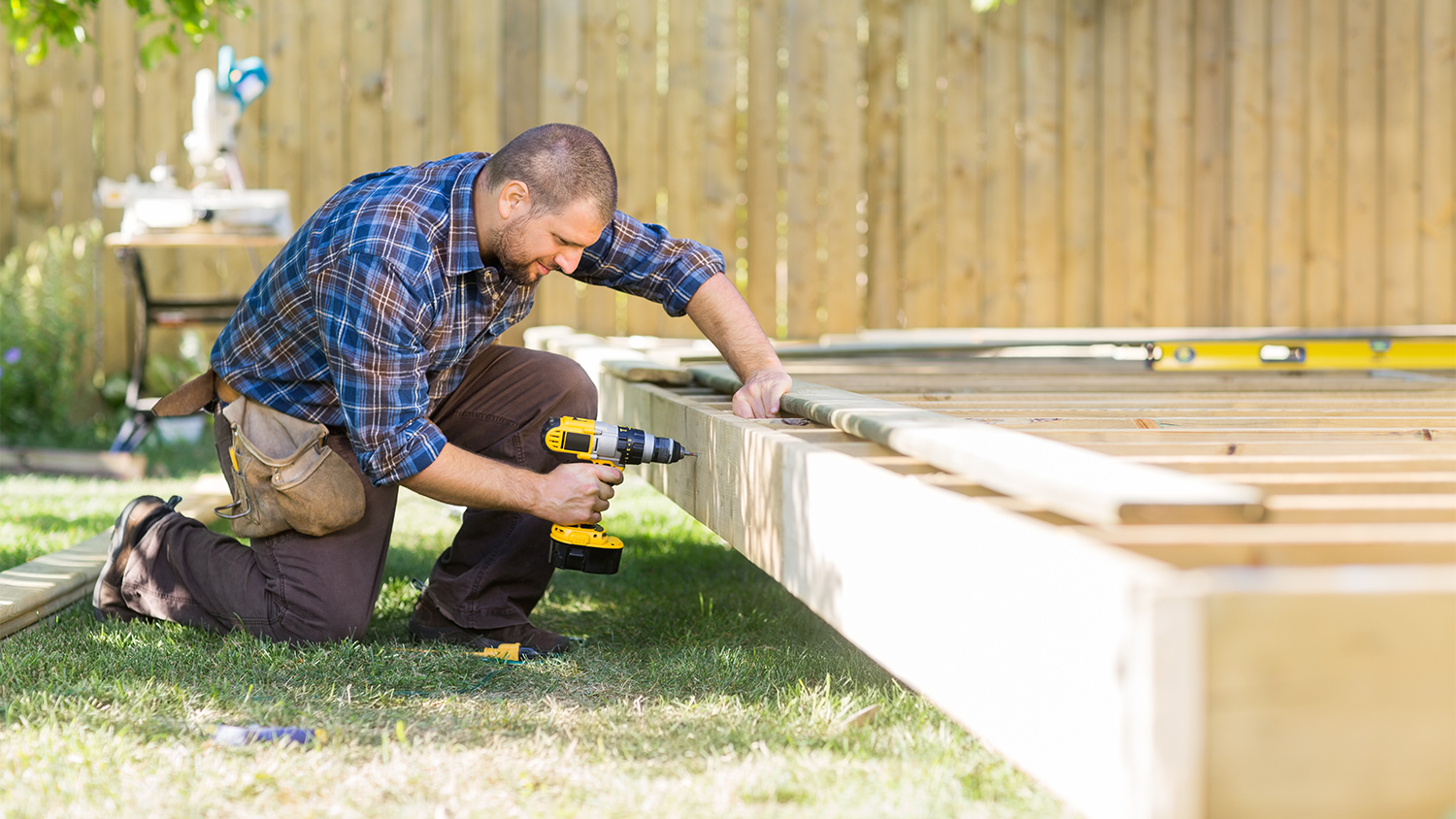
While experienced DIYers may take on the challenge, hiring a licensed professional is often the best route, especially for larger or elevated structures. A local deck contractor is typically the best pro for the job, as they have specialized experience and are knowledgeable about local building codes, ensuring your deck is built safely and designed to last. Other professionals who can build a deck include general contractors and carpenters, who may be more readily available in some regions.

Staining and sealing the underside of a deck creates a moisture barrier but traps water in the boards, quickly leading to rot. No matter how well you seal the above deck, water still gets through via nails and screw heads on the surface. Allow this water to flow naturally under the deck, where it is routed through the drainage system.

Yes, deck pier blocks can be used as an alternative to traditional deck footings, especially for smaller or low-to-the-ground decks. Unlike poured concrete and buried post footings, deck blocks do not require digging or pouring. However, their use is dependent on local building codes. Some areas, particularly those prone to high winds, earthquakes, or hurricanes, may not permit the use of deck pier blocks. It is essential to consult your local building codes before choosing them for your deck project.

The Lake City, AR homeowners’ guide to deck maintenance services

From average costs to expert advice, get all the answers you need to get your job done.