




Top-rated arborists.

Best arborists near Booneville, AR

Enter your zip and get matched with up to 5 pros

Need a pro for your arboricultural service project in Booneville, AR?

Select your specific project to find the pro for you.

TRUSTED BY BOONEVILLE, AR HOMEOWNERS

  • Average homeowner rating star icon4.5
    Average homeowner rating
  • Verified reviews icon29
    Verified arboricultural services reviews

Top-Rated Arborists in Booneville - Updated Nov 2026

Avatar for Foster's Lawn care
Foster's Lawn care
New to Angi
Tree RemovalTree Stump - RemoveTree Trimming

Serving Booneville, AR and surrounding areas

Approved

Free estimates

Emergency services offered

Small jobs welcome

For over 25 years, we've built our business on hard work, honesty, and faith. As a God-centered, family-owned lawn service, we believe every job should be done with integrity, excellence, and respect for our customers.\nWe treat every property as if it were our own, providing dependable lawn care with attention to detail and a commitment to quality that has earned the trust of our community for more than two decades.\nWhen you choose us, you're choosing experience, reliability, and someone who believes that your word matters and hard work still makes a difference. We are grateful for every customer and look forward to helping you keep your property looking its best.

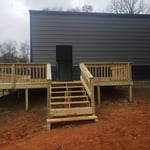
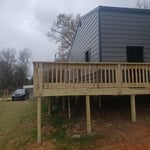
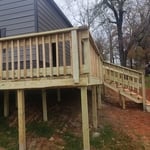
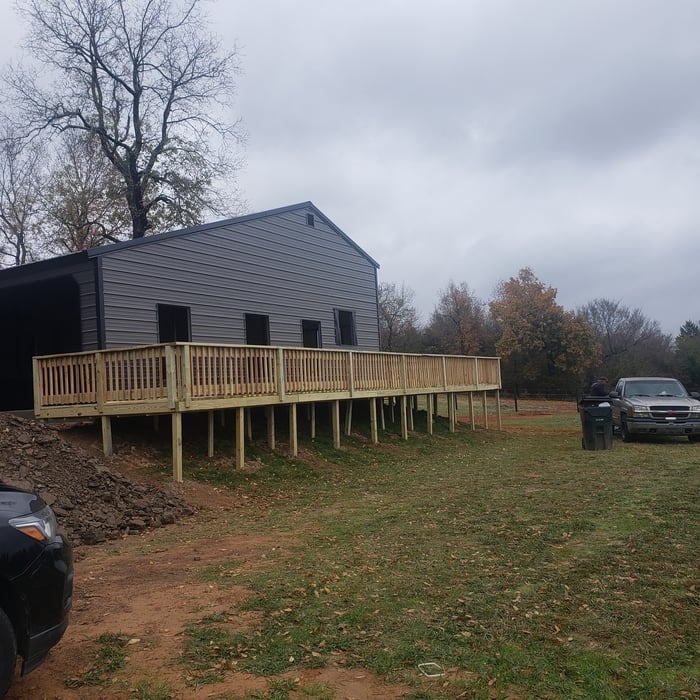
Wrap around deck
Wrap around deck
Wrap around deck
Wrap around deck
Wrap around deck

+9

All About U Landscaping LLC
New to Angi
Tree RemovalTree Trimming

Serving Booneville, AR and surrounding areas

Approved

In business since 2021

Free estimates

Offers commercial services

All About U Landscaping is committed to excellence in every aspect of business. We uphold a standard of integrity bound by fairness, honesty, and personal responsibility. Our distinction is the quality of service we bring to our customers. Accurate knowledge of our trade combined with ability is what makes us true professionals. Above all, we are watchful of our customers interests, and make their concerns the basis of our business

...
Showing 1-10 of 58
Arborists FAQs, answered by experts

A tree growing close to a house can pose several risks, but removal isn't always the only or best solution. Potential problems include roots growing into the foundation and causing structural cracks, branches damaging the roof or promoting moss growth, and debris clogging gutters, which can lead to water damage. Trees can also provide access for pests and encourage mold. However, a small, healthy tree may not be a problem, and for larger, established trees, strategic trimming can be a cheaper and more beneficial alternative to removal. It is generally recommended to take action for trees within 10 to 20 feet of your home, especially if they are unhealthy or encroaching. Your best bet is to consult a professional arborist who can assess the specific situation and provide expert advice.

If you’re taking down a tree that you don’t suspect is affected by disease or pests and it’s nowhere near your home or other structures, then calling in a tree company should work fine. However, anything more involved means an arborist is a better option. These pros have years of experience with tree removal and can safely take down trees located next to structures, and they have the tools, sanitization equipment, and experience to remove sick or dying trees without infecting nearby trees. 

There are several methods to hollow out a tree stump, and the best one depends on your tools, experience, and priorities. Common methods include using a chisel and hammer, a chainsaw, or burning.

  • Chisel and Hammer: This is often considered the easiest approach for those with limited tools or experience, though it is the most time-consuming.

  • Chainsaw: Using a chainsaw is the fastest method, but it comes with significant safety risks, especially for inexperienced users.

  • Burning: This can be an effective method, but it is not recommended unless you can first drill holes into the stump. Without holes, the stump will be difficult to light and may not burn completely through.

A power drill with at least a ⅜-inch diameter bit can make the job quicker and easier, regardless of the primary method. While you can use a chisel or chainsaw without a drill, it will require more time and effort. Always wear protective goggles and thick gloves, as splinters are an inevitable risk.

It is possible to cut down a tree on your property yourself, but it is generally not recommended unless specific conditions are met. You should only consider this project if the tree is small (e.g., under 4-5 inches in diameter and short enough that you don't need a ladder to reach the branches), and you are experienced in handling a chainsaw. The tree must also be located far from any power lines, fences, homes, or other structures. Even for small trees, the work can be dangerous, and it's always advisable to have a spotter to ensure the tree falls correctly and no branches fall on you.

For any tree that is large, requires a ladder to access, or is near electrical lines or structures, you should always hire a professional. Attempting to remove a large tree yourself is extremely dangerous, poses a risk of serious injury, and could result in significant damage to your property.

Before any tree removal, it's also important to check your local and state regulations to ensure the tree is not historic or otherwise protected by your city.

The best time to transplant a tree is when it is dormant. For many trees, this means either in the fall after the leaves have dropped (around October or November) or in early spring before new growth begins (around March). The ideal timing can depend on the type of tree. Deciduous trees do well when moved in early spring or fall, while evergreens are best transplanted in early spring or late summer. For example, pine trees are best moved in early fall, but maples prefer late fall. Avoid transplanting in winter, as the frozen or hard, cold soil poses a significant risk to the roots and prevents the tree from acclimating properly.

The Booneville, AR homeowners’ guide to arboricultural services

From average costs to expert advice, get all the answers you need to get your job done.