




Top-rated arborists.

Get matched with top arborists in Subiaco, AR

Enter your zip and get matched with up to 5 pros

Need a pro for your arboricultural service project in Subiaco, AR?

Select your specific project to find the pro for you.

TRUSTED BY SUBIACO, AR HOMEOWNERS

  • Average homeowner rating star icon4.9
    Average homeowner rating
  • Verified reviews icon44
    Verified arboricultural services reviews

Find Arborists in Subiaco

Avatar for Arkansaw Tree Service
Arkansaw Tree Service
4.5(
69
)

Serving Subiaco, AR and surrounding areas

Approved

In business since 1981

Free estimates

Customers say: Quick response

"The job that they provided they were great now I'm very happy cuz I can get sun into my pool and relax The cost of the job it was more than $2,000 thank you real happy"
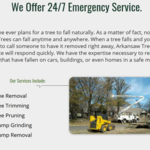
24/7 Emergency Services
We are AFFORDABLE!
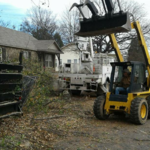
Equipment
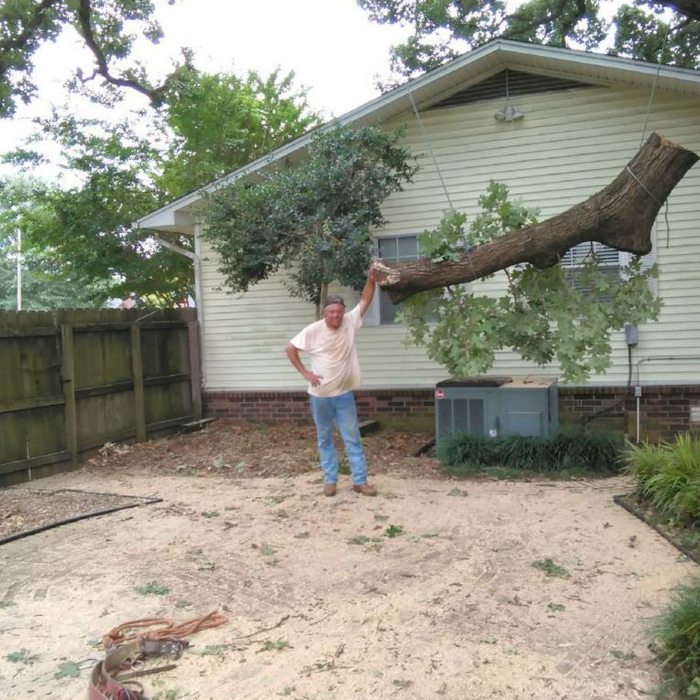
Willing to go out on a LIMB for you ;)
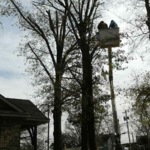
Always Professional, Always Safe

+4

Response time5 hrs
Response rate95%
1 neighbors recently requested a quote

Andrew's Landscaping and Lawn Maintenance
4.0(
10
)

Serving Subiaco, AR and surrounding areas

In business since 1986

Free estimates

Credit card accepted

"Contacted Tru Cut and they gave me an estimate within 24hrs.  As I requested (hoping more leaves would fall), they waited one week to do the work.  We have a steep driveway with water run-off "ditches" on either side that go behind the garage and down to the lake.  They cleaned the ditches, our driveway/parking pad, and the back yard.  The job was excellent.  Will definitely hire them again.
"
Recommended by100%of homeowners
Showing 1-10 of 48
Arborists questions, answered by experts

Completely topping a plum tree is a risky business. Cut too much, and you’ll kill your tree. That said, you do need to trim the top of your tree to encourage bushy growth, maintain your tree’s vase shape, and limit size. 

A plum tree's central leader (or trunk) should never extend more than 3 feet above the highest branch. When you first plant your tree, cut the central leader so it’s 2 to 3 feet tall. As it grows, cut it back 12 to 20 inches until it reaches its desired height. Never prune more than one-third of the new growth.

The best way to protect tree roots is to avoid the roots entirely by excavating outside the root radius of the tree. For nearby projects, it’s a good idea to construct a temporary retaining wall. But that’s not always possible, depending on the project and the root system. In these cases, consider using alternative equipment like an auger to tunnel under the ground.

Remember, tree roots can damage nearby cement foundations as they grow. If a tree is close enough to interfere with large excavations, it may be better to remove the tree than risk future problems.

Unfortunately, palm tree stumps are one of the most difficult types to remove due to how their roots grow. Unlike other trees, palm tree roots grow horizontally and vertically. Palm tree roots grow as deep as three feet into the ground, although soil and growing conditions could mean they go as far as 50 inches into the earth. 

If you want to be able to repurpose the grass in the area where you removed a stump later, you’ll have to dig quite deep—and perhaps wide—to trim away all the roots.

You’ll have to balance up the cost, the value of the tree (sentimental or otherwise), and the risk factors. An experienced arborist will help you understand whether transplanting is likely to be successful. The cost and hassle of transplanting a large, well-established tree are often not worth it, especially if the species is fast-growing and easy to source. The decision depends on the age and species of the tree, the conditions in the new site location, and how careful the company is when digging out and moving the tree.

Licensing requirements for arborists, also known as tree surgeons, vary by state and municipality. Many areas require a license, which often involves specialized education and experience. Even if not mandated, it's wise to hire a licensed professional as they tend to have more experience. Beyond licensing, look for certifications from organizations like the International Society of Arboriculture (ISA) or the Tree Care Industry Association (TCIA), as this indicates a higher level of expertise. Certified arborists must typically pass a comprehensive exam. Always confirm that the arborist has a business license and is fully insured to protect yourself from liability. Seeking positive recommendations from local homeowners is also a good step in finding a qualified professional.

The Subiaco, AR homeowners’ guide to arboricultural services

From average costs to expert advice, get all the answers you need to get your job done.