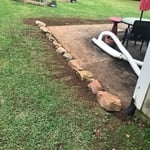





Top-rated masons.

Get matched with top masons in Tarrant, AL

Enter your zip and get matched with up to 5 pros

Need a pro for your masonry work project in Tarrant, AL?

Select your specific project to find the pro for you.

TRUSTED BY TARRANT, AL HOMEOWNERS

  • Average homeowner rating star icon4
    Average homeowner rating
  • Verified reviews icon29
    Verified masonry services reviews

Find Masons in Tarrant

Avatar for Chimney Solutions
Chimney Solutions
4.7(
237
)
Brick or Stone - Tuck-pointing

Serving Tarrant, AL and surrounding areas

Approved

In business since 1998

Emergency services offered

Warranties offered

"The team was great. David did the inspection. Nick & Jose repaired the masonry chimney and installed a wood burning stove. Everyone was professional and courteous. We are happy to have a functional and stylish wood stove."
Chimney Cap Before
Chimney Cap After
Chimney Cap Before
Chimney Cap After
Chimney Cap Before

+15

Response time6 hrs
Response rate100%
2 neighbors recently requested a quote
...
Showing 1-10 of 398
Masonry questions, answered by experts

No, you shouldn’t lay bricks directly on dirt. While it might seem like a shortcut, it leads to a patio that shifts, sinks, and becomes a maintenance headache. Dirt expands, contracts, and erodes—none of which mix well with long-term stability. To build something that lasts, excavate the topsoil, compact a layer of crushed gravel, and add a coarse sand-setting bed. This layered base gives your bricks proper support, allows drainage, and helps block weeds from creeping through. Cutting corners here just means you’ll spend more time—and money—repairing your brick patio later.
A traditional rectangular brick that is used for siding, brick walks, and pathways is 8 inches long by 4 inches wide. If you are shopping for fire bricks, the standard dimension is typically 9 inches long by 4.5 inches wide.

Unless you’ve worked in the masonry industry before, it is in your best interest if you hire a pro for any masonry needs. Masonry-related jobs require a high skill level and can be extremely time-consuming. If anything goes wrong, a licensed and insured masonry contractor would be able to take care of the subsequent repairs, giving you additional peace of mind.

Most of the time, you don’t need to seal brickwork and can save that money for another area of home improvement. But if your brick is cracking or you live in an area with a lot of excess moisture (either in terms of rain or freezes), sealing can extend the lifetime of your home. But, make sure you use a breathable sealant, like siloxane, to allow the moisture to evaporate on its own.

Solid brick structures can last a century or more, potentially 100 to 150 years with proper maintenance like tuckpointing. Without major repairs, classic red bricks may last 20 to 40 years. Brick veneer siding is also a long-lasting material, with a lifespan ranging from 50 to 100 years, provided it is properly installed and maintained. To maintain brick veneer, you should scrub it annually with a special detergent and a soft-bristled broom. It's also important to inspect the bricks and mortar regularly and hire a masonry contractor for any necessary repairs, such as fixing worn mortar or bowing bricks.

The Tarrant, AL homeowners’ guide to masonry services

From average costs to expert advice, get all the answers you need to get your job done.