



Top-rated roofers.

Get matched with top roofers in Tarrant, AL

Enter your zip and get matched with up to 5 pros

Need a pro for your roofing project in Tarrant, AL?

Select your specific project to find the pro for you.

TRUSTED BY TARRANT, AL HOMEOWNERS

  • Average homeowner rating star icon4.5
    Average homeowner rating
  • Verified reviews icon336
    Verified roofing services reviews

Find Roofers in Tarrant

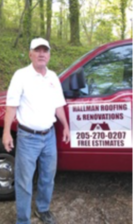
Avatar for Hallman Roofing and Renovation
Hallman Roofing and Renovation
4.7(
102
)

Serving Tarrant, AL and surrounding areas

Approved

In business since 1984

Free estimates

Emergency services offered

"Highly recommend! They were punctual, worked with a real sense of urgency, and kept me informed throughout the entire process. Their pricing was fair, they were honest and transparent from start to finish, and the quality of their work exceeded my expectations. If you?re looking for a roofing company you can trust, I wouldn?t hesitate to recommend them."
Profile Picture
Eldridge
Moody
Jasper
Leeds

+4

3 neighbors recently requested a quote
Recommended by95%of homeowners
Avatar for JTC Roofing and Restoration
JTC Roofing and Restoration
5.0(
4
)

Serving Tarrant, AL and surrounding areas

Approved

In business since 2011

Free estimates

Credit card accepted

"Mike the salesman took the the time to explain the whole process from start to finish. Explained in detail how the would remove the old roof and how they install the new roof. Never pushed for a signed contract. When it came to choosing a color he gave a list of previous customers so we could drive by and see the various colors we had selected to choose from. The crew was fast and efficient and discovered some problems after removing our old roof. The builders roofers did not put down a starter course which caused the decking to have holes rotted through on the bottom edge of the roof about every 2 feet all the way around the house. They replaced about 17 sheets of decking. Had a really bad storm last night and everything seems fine. Excellent cleanup and very professional and hardworking crew."
16 neighbors recently requested a quote
Recommended by100%of homeowners
...
Showing 1-10 of 439
Roofing questions, answered by experts

Some homes, like those with flat roofs, may not have eaves at all. Some contemporary-style homes also lack eaves, although many may have abbreviated eaves to divert water and protect the walls and foundation. Homes without eaves often have specific types of gutters affixed directly to the edge of the roof to provide adequate drainage.

DIY is not recommended, as slate requires specialized handling and proper underlayment installation for durability.

You’re going to need a permit for nearly every roof-raising project. This is a very important step, as the work you’re doing has serious safety considerations. Professionals are the ones to handle this type of work—including sourcing the permits—as they have the expertise required to perform the work safely. Insurance and warranty are usually voided if you do this work without a permit, and you may even be required to halt construction and tear it down as a penalty for working without a building permit.

Properly installed chimney flashing can last anywhere from 15 to 50 years. However, flashing generally only needs to be replaced when it is damaged, corroded, or no longer creates a watertight seal. Several factors influence its longevity, including the material type, quality of installation, and local climate. For example, copper flashing tends to last longer than galvanized steel. Large storms and extreme weather can also damage flashing, potentially requiring earlier replacement. To ensure its longevity, it is recommended to have your chimney and roof inspected annually. A professional can assess the flashing's condition and recommend any necessary repairs.

The proper specifications for furring strips can vary, so you should always consult the roofing manufacturer's guidelines or your roofer. However, general recommendations are as follows:

  • Thickness: Furring strips are typically 1 to 1-1/2 inches thick, meaning standard 1-by or 2-by lumber works well. In areas with extreme winds, a thinner strip may be preferred to limit how much air can get under the roof and cause uplift. A thicker strip can add slightly more insulation but will also increase installation costs.

  • Spacing: The recommended spacing for furring strips is between 12 and 24 inches apart on center. Proper spacing is crucial for ensuring good airflow, adequate drainage, noise reduction, and better energy efficiency. The ideal spacing can depend on the roof's pitch and the specific type of metal roofing being installed.

The Tarrant, AL homeowners’ guide to roofing services

From average costs to expert advice, get all the answers you need to get your job done.