





Top-rated radon detection and reduction specialists.

Get matched with top radon detection and reduction specialists in Prattville, AL

Enter your zip and get matched with up to 5 pros

Need a pro for your radon detection and reduction project in Prattville, AL?

Select your specific project to find the pro for you.

Find Radon detection and reduction specialists in Prattville

Avatar for Covenant Air LLC
Covenant Air LLC
4.7(
27
)

Serving Prattville, AL and surrounding areas

In business since 2010

Credit card accepted

"Mr. Coffee is a hero who risks his health daily to help mitigate dangerous radon problems for strangers who call for help. This is a dangerous job with daily high radon exposure and when I asked, he said he is aware of the risks but gets his health scanned multiple times a year. I called Covenant Air back in December after noticing that my Safety Siren Pro radon detector kept reaching alarm. Mr. Coffee came out and assessed that I could probably fix the problem myself by sealing some obvious cracks, especially around some pipes, and recommended the products so that I can do it cheap DIY. He was obviously not pushy to scare people into signing contracts, but actually tried to dissuade me from hiring him right off on installing sub slab depressurization. Although the DYI route he recommended would've been cheaper, I hired him to performs the job. The sealing did bring the radon level down where my detector's alarm didn't go off, but I wanted to lower it as much as possible. He then recommended a passive ventilation route given my reading. The passive ventilation again slashed the radon level in half, but I wanted the radon level down even further, so I ultimately opted to install the fan after weeks of data collection and analysis. He installed the fan so that I could easily turn it off to save energy based on seasonal variations. He is a very personable and methodical person, and prefers to monitor the progress of his work so that his customers don't hastily incur unnecessary cost. You almost never see someone like that in the service industry, and I cannot recommend him highly enough.
"
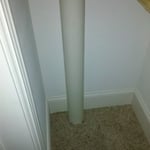
Closet
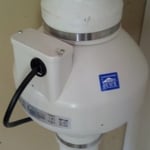
Fan Placement
another view
Recommended by88%of homeowners
Radon Detection and Reduction questions, answered by experts

The average radon mitigation system uses about 876 kWh of electricity per year, although the exact amount of electricity used will vary depending on the size of the radon fan. Once the system is installed, the annual increase to your energy bill could range from $30 to $300 per year, again depending on the size of the fan.

The cost for a radon mitigation system typically ranges from $800 to $1,500, with an average around $1,000. The final price depends on several factors, including the size of your home, the severity of the radon issue, and the type of system required. Your home's foundation type also significantly impacts the cost. For example, sealing and ventilating an unfinished basement might cost around $4,600, while encapsulating a crawl space without a foundation slab can range from $1,500 to $15,000.

Your radon fan needs to operate 24/7 to be effective. The only time the fan isn't operating is during its replacement. Radon levels in the home can increase within hours if the fan stops working or something obstructs the stack vent. Fortunately, radon systems require no downtime maintenance between fan changes.

No level of radon is technically safe, but since it is naturally present everywhere, it is impossible to avoid entirely. The average radon level in homes across the United States is 1.3 picocuries per liter (pCi/L). The Environmental Protection Agency (EPA) recommends taking action to reduce radon levels if your home's test results are between 2 and 4 pCi/L or higher.

The lifespan of a radon mitigation system depends on the type of system and its maintenance. With proper care, a system can last for many decades. Passive systems tend to last longer as they have fewer components that require replacement. Active systems, which have more moving parts like fans, generally have a shorter lifespan. For instance, water filtration devices and active pressurization systems require more frequent maintenance. While the system as a whole is durable, the radon fan in an active system typically has a lifespan of 5 to 10 years and will need to be replaced. As long as the fan is working, the mitigation system should function correctly.

The Prattville, AL homeowners’ guide to radon detection and reduction services

From average costs to expert advice, get all the answers you need to get your job done.