



Top-rated excavation pros.

Get matched with top excavation pros in Pine Hill, AL

Enter your zip and get matched with up to 5 pros

Need a pro for your excavation project in Pine Hill, AL?

Select your specific project to find the pro for you.

Find Excavation pros in Pine Hill

Avatar for Daniel Brown
Daniel Brown
5.0(
1
)

Serving Pine Hill, AL and surrounding areas

Free estimates

Emergency services offered

Credit card accepted

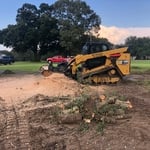
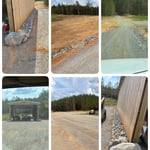
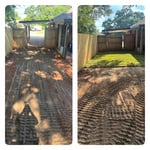
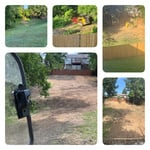
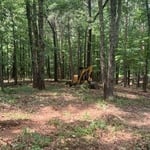
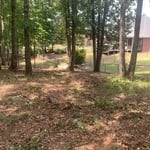
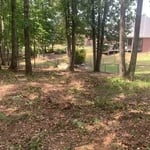
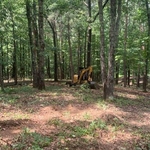
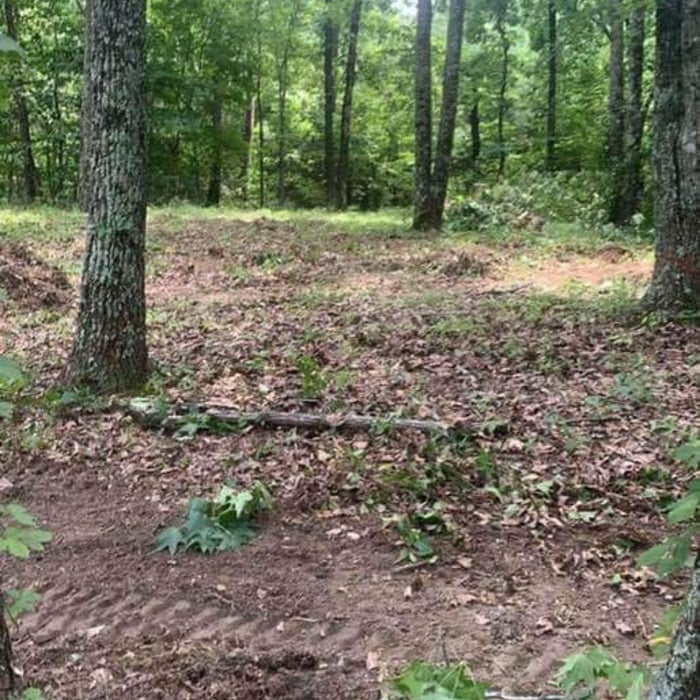
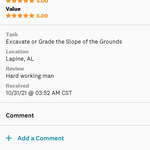
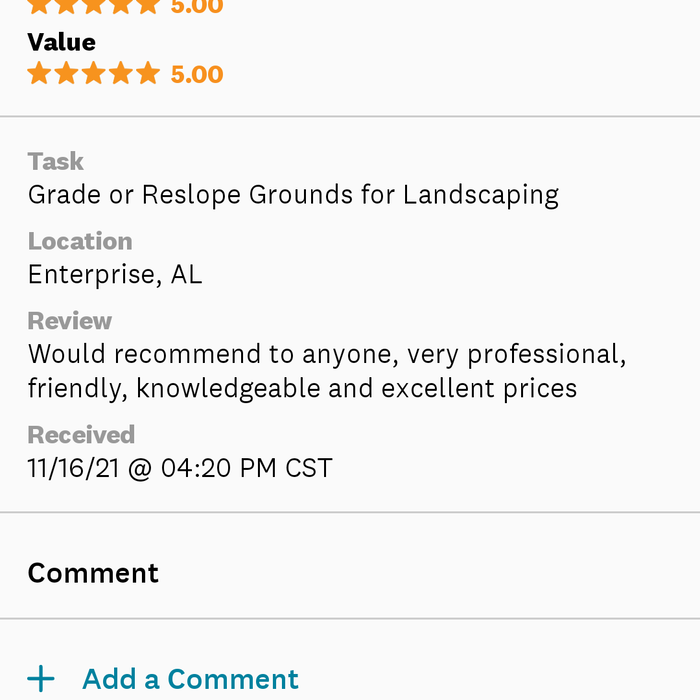
"Fast and professional crew! Came out on time, cleared several acres of land for me and made it look great! Property was clear of any debris when they left. They also graded the area nicely so it wouldn’t wash out. Trees and brush were hauled away quickly by them and they worked around what I wanted done. Would hire again."
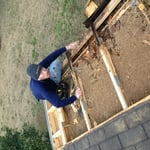
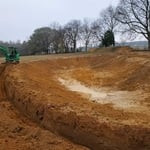
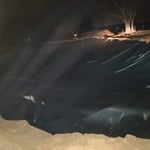
Treching the core to hold the liner
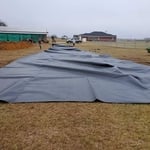
Unfolding the liner to pull into the pond for intsall
Installed. Now working out the rinkles
Additional Photos
Additional Photos

+10

Recommended by100%of homeowners
Showing 1-10 of 24
Excavating questions, answered by experts

Most residential basements are 8 to 10 feet deep. You can dig deeper depending on building codes, but it does become more difficult. You’ll likely need to install stronger foundation walls and additional supports to handle the increased load. Depending on the water table, you may also need a water management system. Clay soil can support a deeper foundation than sandy soil. A structural engineer will be able to tell you the maximum, feasible depth.

Trenches are typically 12 to 24 inches deep and 8 inches wide. However, the required depth depends on the specific project and local ordinances. For example, a French drain may need to be 18 inches deep, while a water pipe might require a depth of 24 inches and a drainage pipe 36 inches. Your city or county may have specific regulations, so it's wise to consult with an excavation professional to determine the correct depth for your project.

The best way to protect tree roots is to avoid the roots entirely by excavating outside the root radius of the tree. For nearby projects, it’s a good idea to construct a temporary retaining wall. But that’s not always possible, depending on the project and the root system. In these cases, consider using alternative equipment like an auger to tunnel under the ground.

Remember, tree roots can damage nearby cement foundations as they grow. If a tree is close enough to interfere with large excavations, it may be better to remove the tree than risk future problems.

No, a ditch isn’t a trench. A ditch is an open, relatively shallow channel that’s carved out of the ground and used for drainage purposes. In contrast, a trench is a deeper excavation that’s entirely underground. Trenches have many uses, including gas lines, sewage systems, and electrical wiring. Unlike trenches, ditches don’t get filled back in with dirt after they’re dug.

The best method for digging a trench depends on the scope of the project. For a short, shallow trench (less than 2 feet deep) in light, soft soil, digging by hand may be sufficient. However, digging by hand is labor-intensive, so consider the effort required. A machine trencher is the better option for longer trenches (over 100 feet), deeper ones, or when dealing with difficult soil conditions, such as rocky or hard ground, or obstructions like tree roots. A machine can save significant time and energy in these situations.

The Pine Hill, AL homeowners’ guide to excavation services

From average costs to expert advice, get all the answers you need to get your job done.

What do you need done? We’ll find top pros.
  • 🌱 "Mow a small front yard"
  • 🛠 "Fix a leaking pipe under the sink"
  • 🏠 "Repair shingles on an asphalt roof"