








Top-rated septic tank pros.

Get matched with top septic tank pros in Opp, AL

Enter your zip and get matched with up to 5 pros

Need a pro for your septic tank service project in Opp, AL?

Select your specific project to find the pro for you.

Find Septic tank pros in Opp

Avatar for LS Land and Cattle LLC
LS Land and Cattle LLC
5.0(
7
)
Septic System - Install or ReplaceSeptic System - Install or Replace - For BusinessSeptic System - Repair+3 more

Serving Opp, AL and surrounding areas

In business since 2018

Free estimates

Emergency services offered

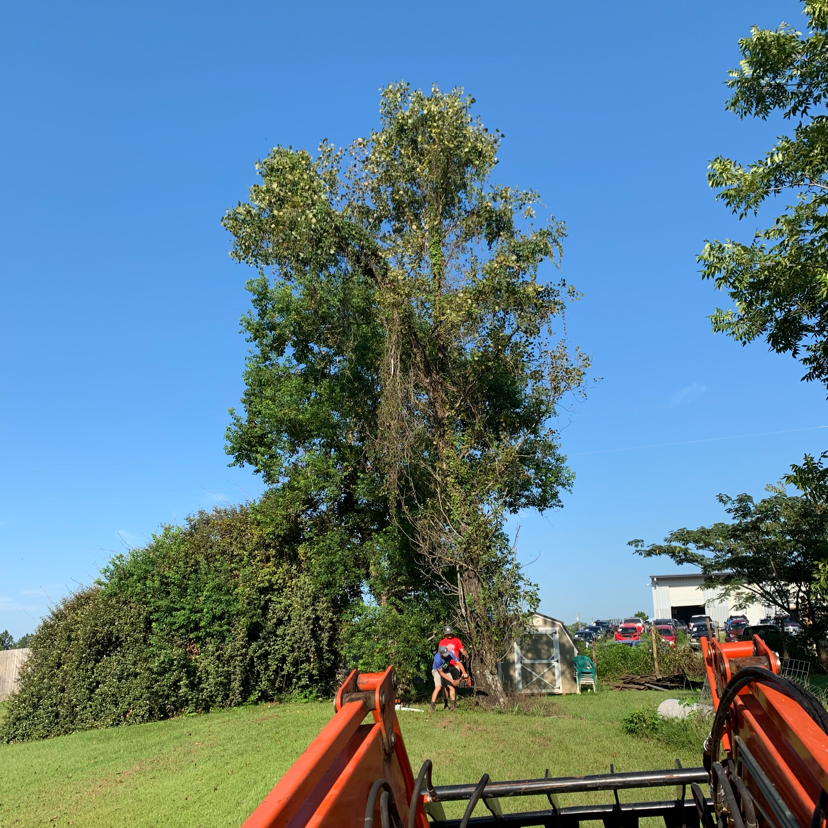
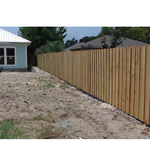
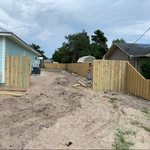
We offer the most affordable and reliable land clearing in the area. With our knowledgeable and experienced operators you are bound to get the best service possible. We also offer residential, commercial, and agricultural fencing. Competitive pricing and an experience you won’t regret!
Additional Photos
Additional Photos
Additional Photos
Additional Photos
Additional Photos

+3

Recommended by100%of homeowners

Avatar for American Home Shield – Home Warranty
American Home Shield – Home Warranty
3.5(
5,688
)
Septic System - Install or ReplaceSeptic System - Install or Replace - For BusinessSeptic System - Repair+3 more

Serving Opp, AL and surrounding areas

In business since 1971

Credit card accepted

"I just pay $75 you never know who's going to come out. They do everything electrical. Just about everything is covered except the septic tank. I had an air conditioner replaced. It went great, all I had to do was pay for the freon. He didn't charge e more than what was needed."
Additional Photos
Additional Photos
Additional Photos
Additional Photos
Additional Photos

+2

Recommended by65%of homeowners
Septic Tanks questions, answered by experts

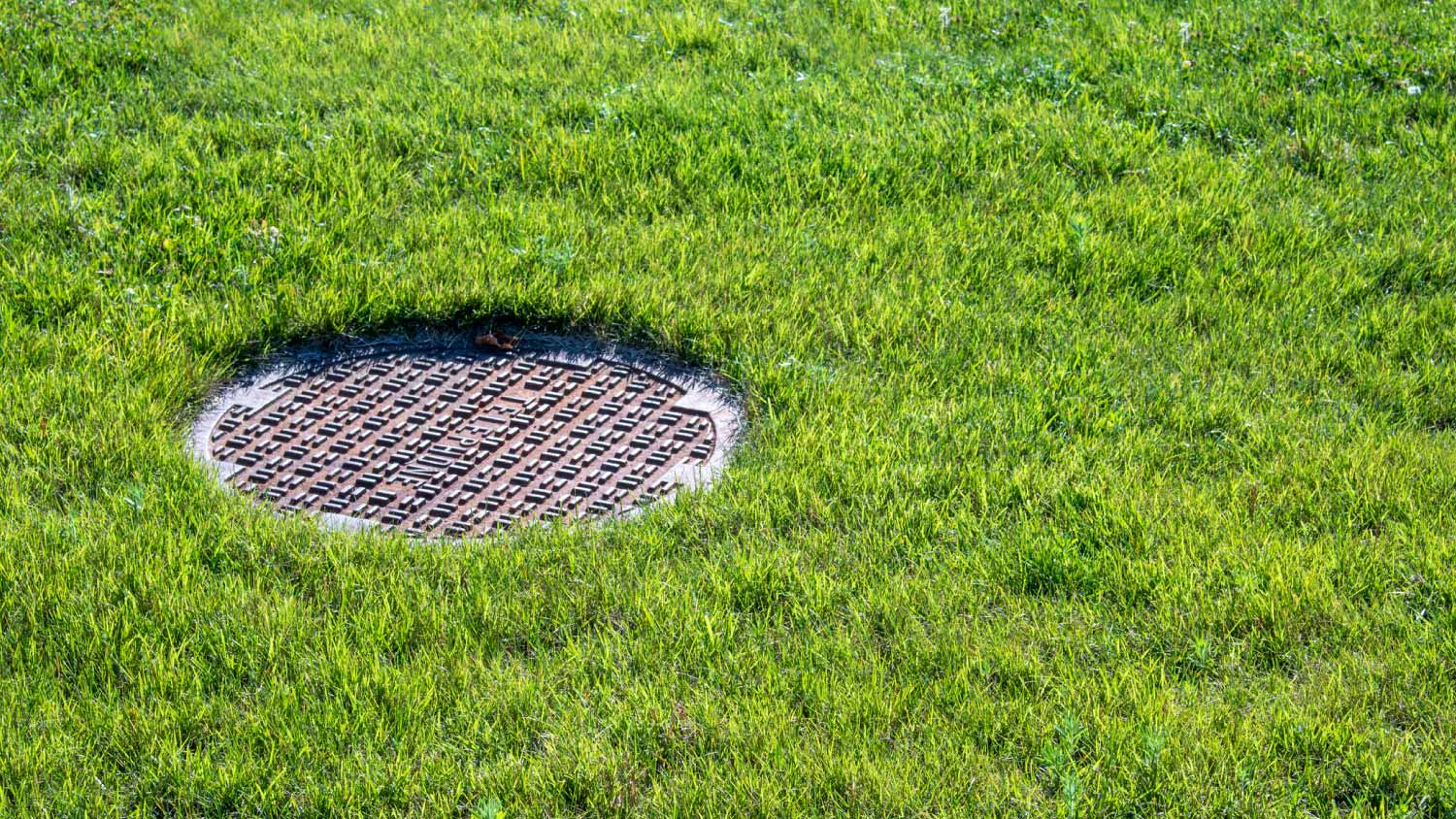
The depth of your septic tank has nothing to do with its size. In fact, some septic tanks can even be installed above-ground! Like other sizes, a 1,000-gallon septic tank could be buried as shallow as 4 inches below the ground or as deep as 4 feet. It all depends on your specific property.

You may want to increase the size of your leach field, for instance, if you add on to your home or install more bathrooms in your house. You can make your leach field larger by installing more pipes or expanding the area of the field itself. Improving the soil quality in the drain field can also make it more effective without increasing the area.

Yes, septic tank companies must be licensed in most states and municipalities to perform services like installation, alteration, repair, and pumping. Since laws vary by location, it's crucial to check local requirements.

Hiring an unlicensed professional can lead to poor work, code violations, and significant fines. Always verify that your chosen company is properly licensed and fully insured to avoid liability. You can use tools like Angi’s contractor licensing search to check a pro's credentials.

It's also helpful to understand the difference between licensing and certification. A license is a legal requirement to operate, while certifications are voluntary. Credentials like the “Angi Approved” badge indicate that a business meets extra standards, such as passing a background check and maintaining a high rating.

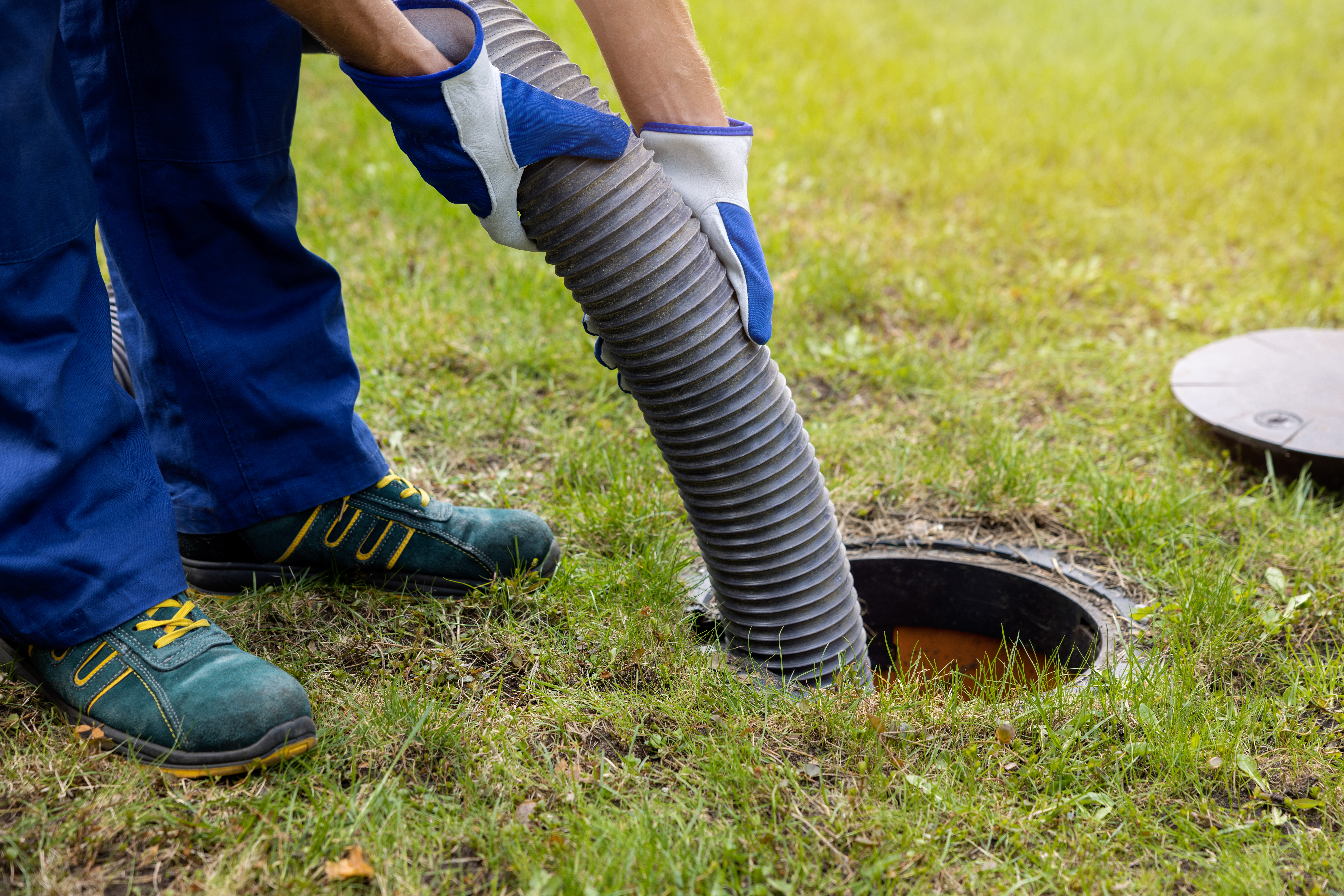
The best times of year to pump or empty a septic tank are spring and fall. Many professionals recommend spring because the ground has thawed, making the tank easier to access, and any snowmelt or rainfall can aid in proper drainage. Pumping before summer is also ideal to avoid conflicts with vacations or outdoor gatherings.

Fall is another great option, as contractors may be less busy than in the spring. Servicing the tank in late fall or early spring can also reduce the risk of overflow from extra precipitation during winter and spring.

While summer is a possibility, winter is generally not recommended. The ground is often frozen, which can make it difficult to access the tank, and the waste inside may also be frozen.

The pressure in a well pressure tank should be set 2 to 3 PSI below the pump's cut-on pressure. The cut-on pressure is the lower number in the pressure setting (e.g., the '30' in 30/50 PSI) and is the point at which the pump starts. The cut-out pressure is the higher number, where the pump stops.

For example:

  • If your pressure switch is set to 30/50 PSI, the tank pressure should be 27-28 PSI.

  • If your pressure switch is set to 40/60 PSI, the tank pressure should be 38 PSI.

Common pressure settings for household applications include 20/40, 30/50, and 40/60 PSI. The difference between the cut-on and cut-out pressure is typically 20 PSI.

The Opp, AL homeowners’ guide to septic tank services

From average costs to expert advice, get all the answers you need to get your job done.