



Top-rated boiler installation pros.

Best boiler installation pros near Kimberly, AL

Enter your zip and get matched with up to 5 pros

TRUSTED BY KIMBERLY, AL HOMEOWNERS

  • Average homeowner rating star icon4.5
    Average homeowner rating
  • Verified reviews icon356
    Verified boiler installation services reviews

Top-Rated Boiler installation pros in Kimberly - Updated Nov 2026

Avatar for Bama Air Systems Mechanical Contractors, Inc
Bama Air Systems Mechanical Contractors, Inc
4.9(
14
)
Boiler or Radiator Heating System - Install or ReplaceElectric Boiler or Radiator Heating System - InstallGas Boiler or Radiator Heating System - Install+3 more

Serving Kimberly, AL and surrounding areas

Approved

In business since 1989

Free estimates

Emergency services offered

"We were very happy with Bama Air Systems. They came out for an estimate on a Mini-Split in a timely manner, and had a quick turn-around time for installation. Their service professionals, Austin, Zach and JC, were on time, friendly and courteous, and very efficient. The installation took less than a day, and they cleaned up the construction debris thoroughly. We would definitely recommend them for your HVAC needs."
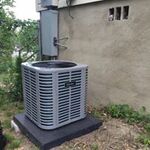
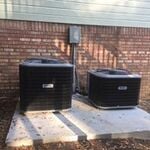
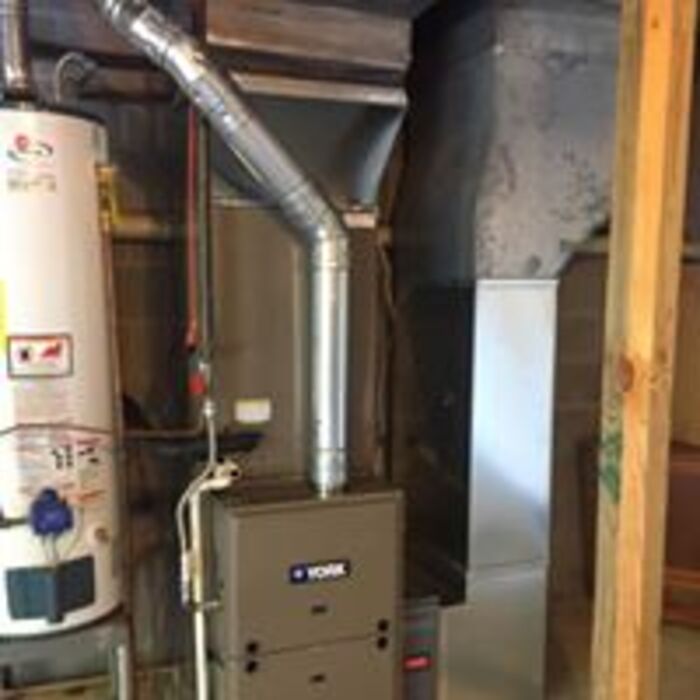
Additional Photos
Additional Photos
Additional Photos
Additional Photos
Additional Photos

+14

Response time7 hrs
Response rate100%
3 neighbors recently requested a quote
Avatar for Covenant Air LLC
Covenant Air LLC
4.7(
27
)
Boiler or Radiator Heating System - Install or ReplaceElectric Boiler or Radiator Heating System - InstallGas Boiler or Radiator Heating System - Install+3 more

Serving Kimberly, AL and surrounding areas

In business since 2010

Credit card accepted

"Mr. Coffee is a hero who risks his health daily to help mitigate dangerous radon problems for strangers who call for help. This is a dangerous job with daily high radon exposure and when I asked, he said he is aware of the risks but gets his health scanned multiple times a year. I called Covenant Air back in December after noticing that my Safety Siren Pro radon detector kept reaching alarm. Mr. Coffee came out and assessed that I could probably fix the problem myself by sealing some obvious cracks, especially around some pipes, and recommended the products so that I can do it cheap DIY. He was obviously not pushy to scare people into signing contracts, but actually tried to dissuade me from hiring him right off on installing sub slab depressurization. Although the DYI route he recommended would've been cheaper, I hired him to performs the job. The sealing did bring the radon level down where my detector's alarm didn't go off, but I wanted to lower it as much as possible. He then recommended a passive ventilation route given my reading. The passive ventilation again slashed the radon level in half, but I wanted the radon level down even further, so I ultimately opted to install the fan after weeks of data collection and analysis. He installed the fan so that I could easily turn it off to save energy based on seasonal variations. He is a very personable and methodical person, and prefers to monitor the progress of his work so that his customers don't hastily incur unnecessary cost. You almost never see someone like that in the service industry, and I cannot recommend him highly enough.
"
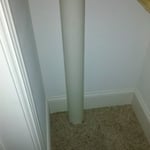
Closet
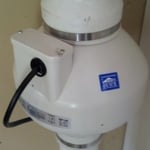
Fan Placement
another view
Recommended by88%of homeowners
...
Showing 1-10 of 52
Install Boiler FAQs, answered by experts

Hydronic and standard electric baseboard heaters differ in how they operate, their cost, and their performance. Standard convection heaters use electric coils to heat the air directly, while hydronic heaters warm a contained liquid like water or oil, which then radiates heat into the room.
In terms of cost and efficiency, hydronic heaters usually have a higher upfront price but are more energy-efficient and cheaper to run over time. This is because the heated liquid retains warmth, allowing the heater to continue providing heat for a while after the thermostat turns it off. In contrast, electric heaters provide heat more quickly but are less efficient.

Ultimately, the better choice depends on your priorities. If you need a room to heat up fast and have a lower initial budget, an electric heater might be suitable. If long-term energy savings are more important and you don't mind a slower heat-up time, a hydronic heater is likely the better option.

The average lifespan of a boiler is typically between 15 and 20 years, though some may last for as little as 10 years while others can reach 30. A boiler's longevity is influenced by several factors, including the quality of the unit, proper installation, and consistent professional maintenance.

The material also plays a significant role. Older boilers made from durable cast iron can last for over 20 years, with some functioning for up to 50 years. However, it's important to consider their lower efficiency, which can lead to higher utility bills. Modern boilers, often made from steel alloys, are designed to withstand high pressure and temperatures and have an average lifespan of about 20 years.

To maximize your boiler's lifespan, ensure it is installed correctly, have it professionally maintained each year, and address any necessary repairs immediately.

Professionals can recommend efficient layouts or appliances and ensuring regulatory compliance.

The primary differences between a heat pump and a boiler are their function and how they produce heat. A heat pump is a versatile system that provides both heating and cooling by moving ambient air and altering its temperature. In contrast, a boiler is solely a heating system, often working with a furnace or AC unit as part of a larger HVAC system. In terms of heat production, a heat pump generates heat more slowly and at a lower temperature, requiring a large convector for distribution. A boiler, however, produces a large amount of high-temperature heat that it emits through smaller radiators.

A home radiator works by using radiation and convection to transfer heat throughout your home. Electric radiators use metal to conduct heat and warm the air, which then rises to warm the room. Steam and hot water radiators work with a boiler and piping system to pump thermal energy throughout the home. Hot water radiators use a boiler to heat the water before circulating it to the radiator, while steam heating radiator systems convert the heated water to steam before circulating it out. When the water or steam cools, it travels back to the boiler to be heated again.

The Kimberly, AL homeowners’ guide to boiler installation services

From average costs to expert advice, get all the answers you need to get your job done.