




Top-rated electricians.

Get matched with top electricians in Horton, AL

Enter your zip and get matched with up to 5 pros

Need a pro for your electrical service project in Horton, AL?

Select your specific project to find the pro for you.

TRUSTED BY HORTON, AL HOMEOWNERS

  • Average homeowner rating star icon4.8
    Average homeowner rating
  • Verified reviews icon73
    Verified electrical services reviews

Find Electricians in Horton

Avatar for Premier Lightning Protection
Premier Lightning Protection
4.9(
28
)

Serving Horton, AL and surrounding areas

Approved

In business since 1959

Free estimates

Warranties offered

"Extremely professional and knowledgeable. All grade 1 copper materials, cables. With their expertise, we are totally protected when any storms threaten our area. We would not have chosen any other company to provide this valuable protections Thanks Marty and Pat for all the help and great job!!"
Residential Install
Residential Install
Residential Install
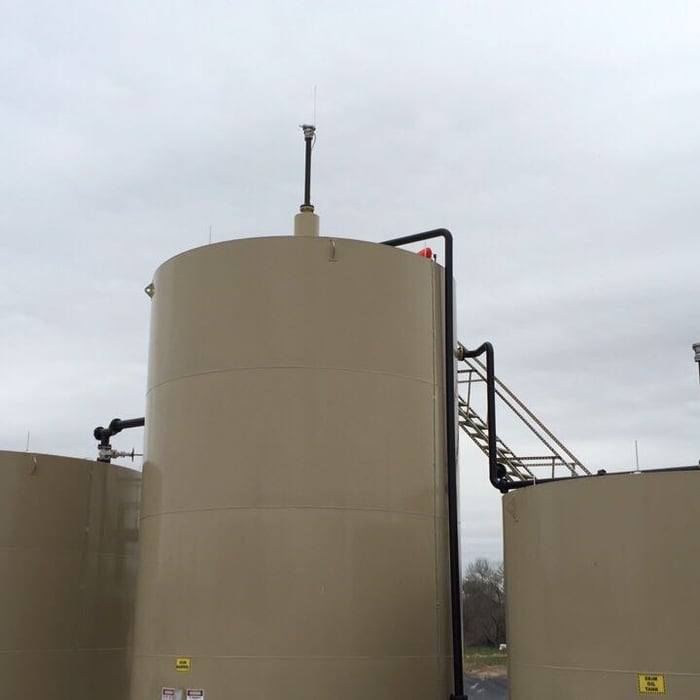
SWD Tank
SWD Tanks

+2

Response time2 days
6 neighbors recently requested a quote
Recommended by95%of homeowners

Avatar for W B Lightning Rods
W B Lightning Rods
4.6(
367
)

Serving Horton, AL and surrounding areas

Approved

In business since 2001

Free estimates

Warranties offered

"WB Lightning Rods did an excellent job installing lightening rods on our home. The owner stayed onsite the entire time to supervise the work. He took extra care to plan the rod and cable placement to ensure the proper protection and retain the aesthetics of our home. His crew were knowledgeable, polite, neat and efficient. We could not be more pleased with the results."
lightning protection
 Residential LPS
lightning protection
 Residential LPS
lightning protection

+79

147 neighbors recently requested a quote
Recommended by98%of homeowners

Avatar for APS Lighting and Electrical LLC
APS Lighting and Electrical LLC
5.0(
5
)

Serving Horton, AL and surrounding areas

Approved

In business since 2023

Free estimates

Credit card accepted

"I called APS about getting a standby generator for my home, and the whole experience was great from the start. They took the time to explain everything in a way that actually made sense and walked me through what to expect instead of just trying to sell me something. What really stood out to me was how thorough they were. They noticed my gas meter was undersized for what I already had and helped get that addressed with the utility company before it became a bigger issue. That?s the kind of thing most people probably wouldn?t even know to ask about. Their pricing was competitive, communication was easy, and everyone I dealt with was professional and knowledgeable. The 10-year warranty being included was a nice bonus too. Overall, I felt like they genuinely cared about doing the job right. I?d absolutely use APS again and would recommend them to anyone looking for electrical work or a home generator."
17 neighbors recently requested a quote
...
Showing 1-10 of 126
Electrical questions, answered by experts

The size of the microwave you choose may change this answer, but for standard over-the-range microwaves, 120 volts and a three-prong grounded outlet is needed for your device.

A GFCI outlet can be 15A or 20A. The average American home power outlet is 15A.

You can install a three-prong outlet without connecting any ground and plug in three-prong electronics into that outlet. The devices will function normally, but you won’t get any of the protection that grounding provides, so there’s an increased risk of serious problems if something goes wrong.

In the majority of cases, you can replace an outlet with a USB outlet. USB charging receptacles install in the same spot as standard outlets and any electrician worth their salt is more than familiar with the replacement process. Additionally, it’s possible to replace yourself, but only if you have prior experience with your home’s electrical system, as it requires handling of wires.

The American Wire Gauge system calculates wire size diameters using the complicated formula D(AWG)=.005·92((36-AWG)/39) inch. A simpler rule of thumb is that every six-gauge decrease doubles the wire diameter, and every three-gauge decrease doubles the wire’s cross-sectional area. On the other hand, wavenumbers are typically measured in reciprocal meters (1/m or m−1) or reciprocal centimeters (1/cm or cm−1).



The Horton, AL homeowners’ guide to electrical services

From average costs to expert advice, get all the answers you need to get your job done.