


Top-rated fencing pros.

Get matched with top fencing pros in Fort Deposit, AL

Enter your zip and get matched with up to 5 pros

Need a pro for your fencing service project in Fort Deposit, AL?

Select your specific project to find the pro for you.

Find Fencing pros in Fort Deposit

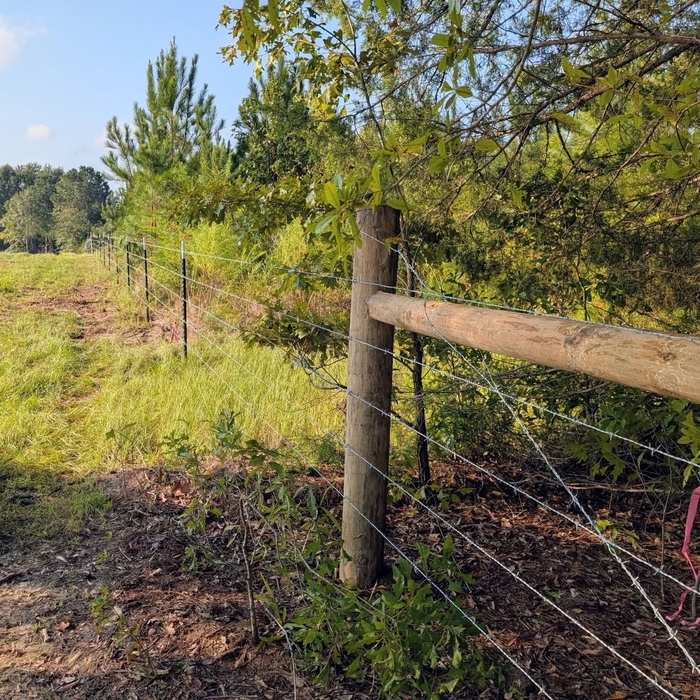
C4 Fencing LLC
New to Angi
Wood Fence - Install - For BusinessWood Fence - Repair - For Business

Serving Fort Deposit, AL and surrounding areas

In business since 2023

Free estimates

Offers commercial services

At C4 Fencing LLC, our company is based on the belief that our customers' needs are of the utmost importance. Our team is committed to meeting those needs. We welcome the opportunity to earn your trust and deliver you the best service. No job is too big or too small for our experienced team. Call today for a quote.

Showing 1-10 of 48
Fencing questions, answered by experts

The most common hog wire gauge for a fence is 12.5. However, you can choose from a few gauges based on your needs. While 12.5 is a reliable gauge for penning in large, strong animals, 9 gauge is a better option of you have large animals that are easily spooked, such as horses. For smaller animals, like dogs or pigs, you can use a 16 gauge hog wire.

The best wood for fence posts are redwood, cedar, and pressure-treated pine. Wood posts made from these materials will typically lasts between 15 and 30 years, depending on the specific type you choose and your local climate. With proper care and maintenance, a fence post made of these materials can withstand most weather conditions.

Posts for a horizontal fence should be no more than 6 feet apart. Wood pickets are not as strong when mounted horizontally as when mounted vertically. As such, the fence panels on a horizontal fence can’t cover the same span between posts as a vertical fence can. If you install the posts further apart on a horizontal fence, the fence will lose stability, making the boards more likely to sag. 

You can DIY a stockade fence installation, but prepare to put in some good sweat equity. For the best results, carefully plan the exact location of your fence before you break ground. In particular, carefully map out your post locations before setting them in concrete. Be sure to call your local utility company before digging to avoid damaging underground wiring and causing severe injury.

On the other hand, installing stockade fencing on your own might sound too overwhelming. It’s certainly time-consuming and labor-intensive. Besides the hard work, you must install it properly to avoid gaps. Unless you’re confident you can get the job done right, hiring a privacy fence installer near you is the way to go.

Whether you need a permit to build or install a fence depends on several factors, including your location, the fence's height, its placement in your yard, and the materials used. In many cities and highly populated areas, a permit is required, especially for fences taller than 6 feet. Conversely, rural areas may have fewer restrictions. Typically, backyard privacy fences 6 feet or shorter do not require a permit, while front yard fences often have a lower height limit, sometimes as low as 3.5 feet. There can also be exceptions for properties in mixed residential-commercial zones. It's best to check with your local building inspection or zoning department to understand the specific requirements, height restrictions, and location rules for your area. A professional fence installer can help you navigate this process and often secure the necessary permits for you, though this may extend the project timeline.

The Fort Deposit, AL homeowners’ guide to fencing services

From average costs to expert advice, get all the answers you need to get your job done.