








Top-rated septic tank pros.

Get matched with top septic tank pros in Excel, AL

Enter your zip and get matched with up to 5 pros

Need a pro for your septic tank service project in Excel, AL?

Select your specific project to find the pro for you.

Find Septic tank pros in Excel

Septic Tanks questions, answered by experts

While abandoning a tank without treating it and following strict rules is illegal, there are several other ways to dispose of an old septic tank. One standard method is to pump out and crush the tank where it rests and bury it in the soil. Another is to remove it and transport it to a landfill. Finally, if abandonment is the best option, your contractor must pump out the tank and fill it with inert material, such as sand or concrete, depending on local regulations.

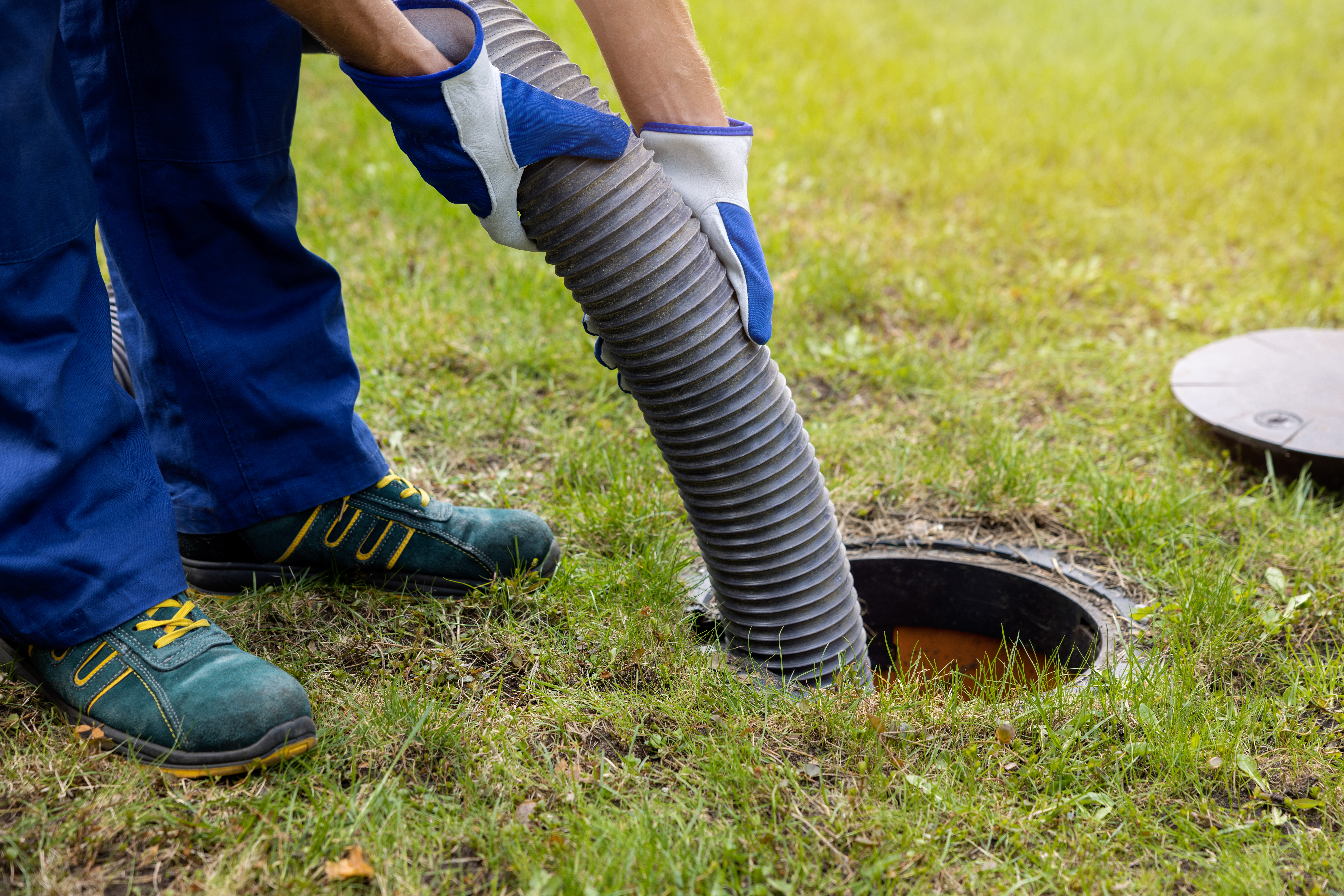
Needing to pump the tank as soon as it “looks” full is a common myth about septic systems, as wastewater will eventually drain into the leach field. Instead, it’s better to determine how many solids have accumulated. A septic maintenance technician near you can test this to find out whether pumping is necessary.

Most professionals recommend that a deep well pump shouldn’t run more than 10 hours consecutively before cycling off. Overworking the well pump beyond the recommended amount can prematurely wear out your pump and burn out the motor, which means replacing it more often than you otherwise should need to. Your well pump should also come with the manufacturer’s use and maintenance recommendations that are specific to the model.

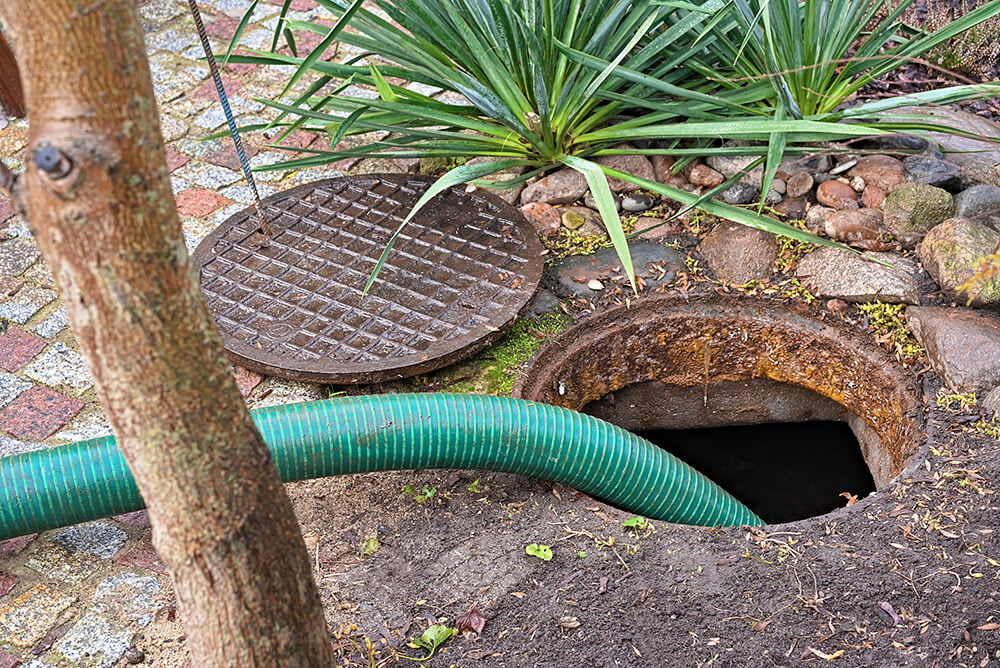
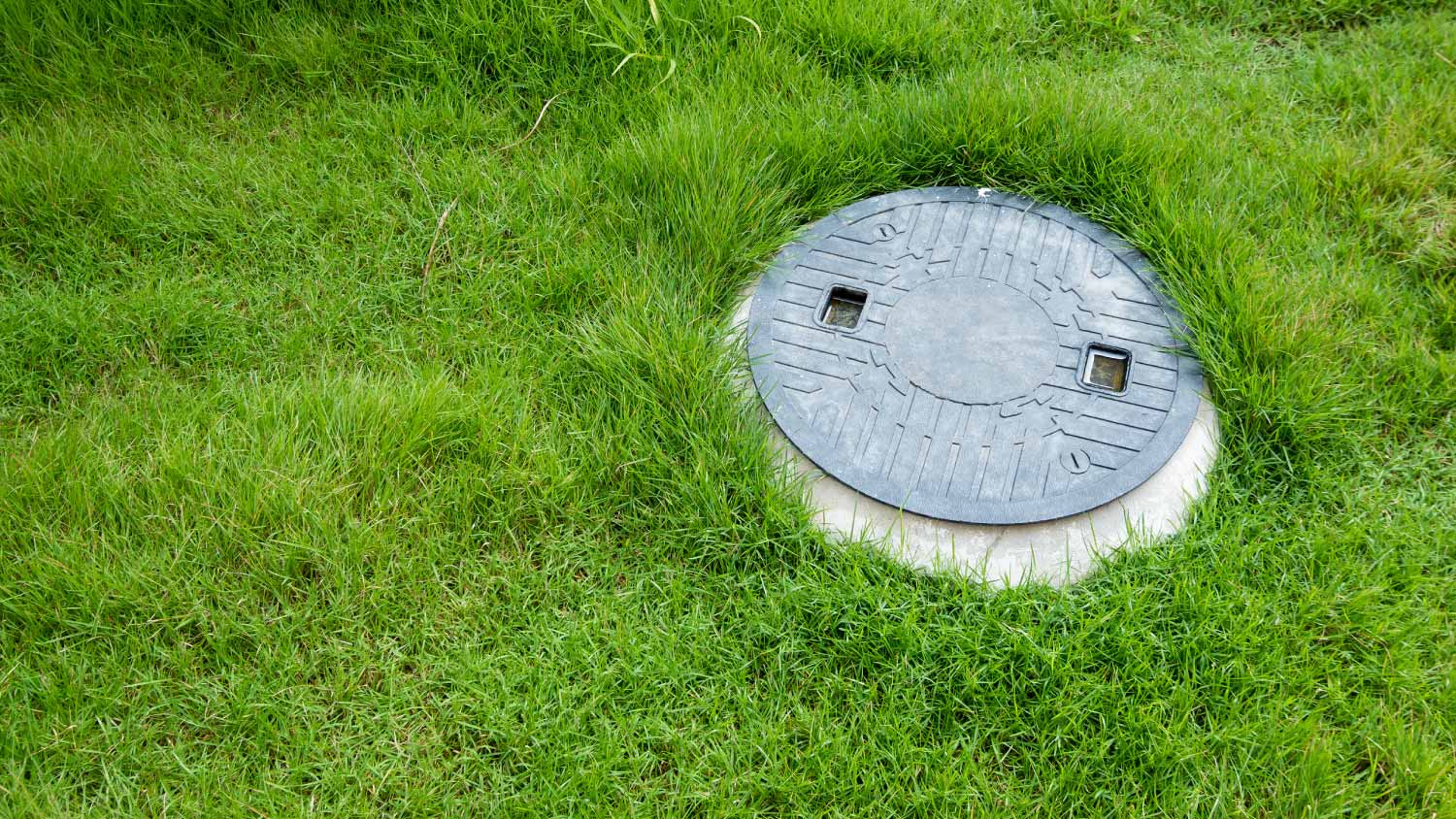
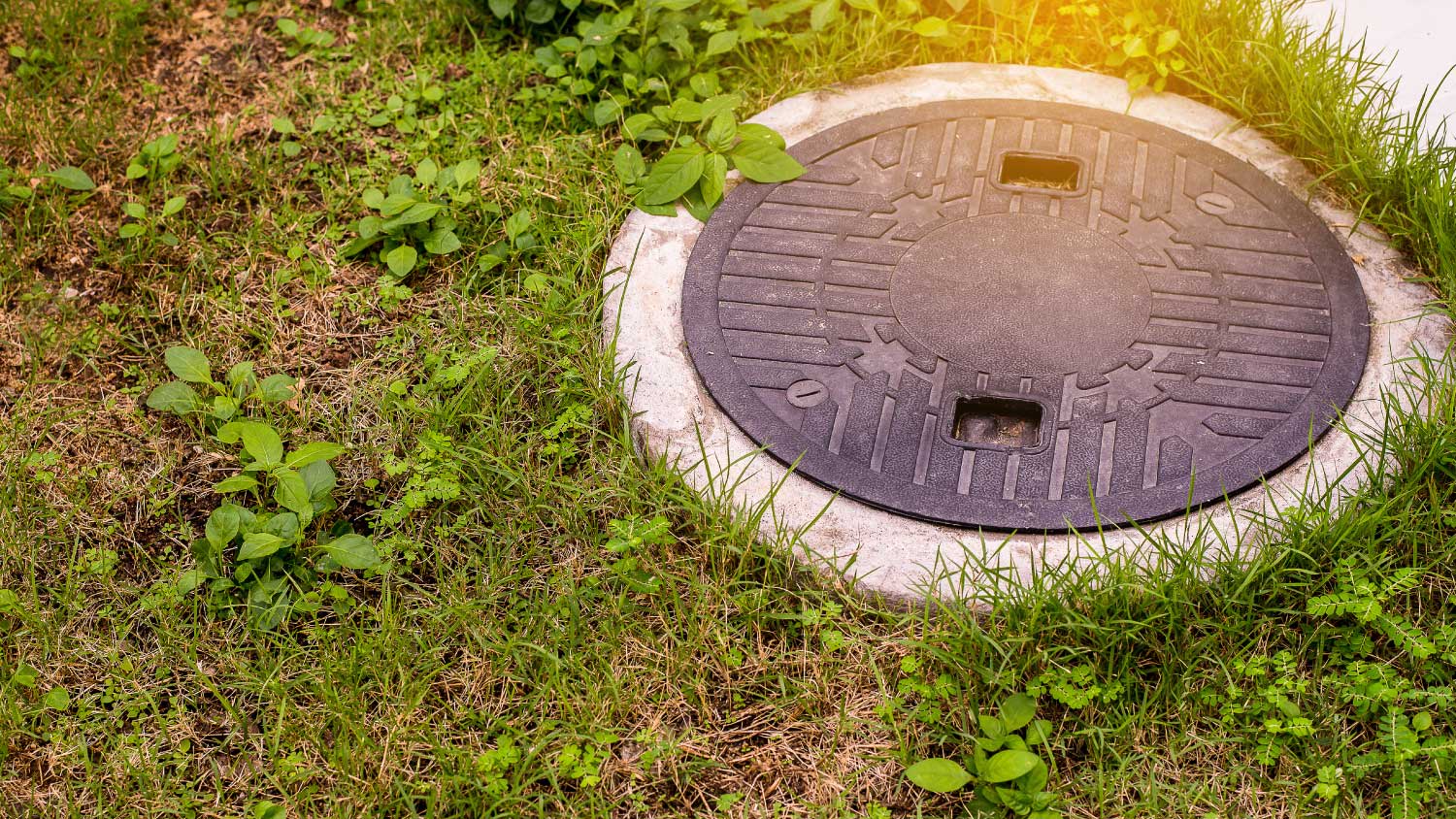
Unlike an urban sewer system that runs wastewater into a central drainage system, septic tanks are a house-by-house system. They are the ultimate destination for all your house’s wastewater—from bathtubs, showers, sinks, toilets, and washing machines. Wastewater flows into a tank buried in the ground outside your home, and then water runs from the tank to a drainage field using sloped pipes.

Yes, shower water goes into the septic tank. Shower water is a type of greywater, and in fact, all water used in a home with a septic system—including water from sinks, toilets, the dishwasher, and the washing machine—drains into the tank. When shower water enters the tank, debris like soap and hair travels with it. The solid debris sinks to the bottom to become sludge, while soap residue joins the scum layer at the top. The remaining water is treated in the tank before moving to the drain field for further treatment and dispersal. It is important to avoid putting oil or harsh chemicals down any drain, as they can cause clogs or disrupt the beneficial bacteria required for proper wastewater management in the septic system.

The Excel, AL homeowners’ guide to septic tank services

From average costs to expert advice, get all the answers you need to get your job done.