
Top-rated insulation pros.

Get matched with top insulation pros in Atmore, AL

Enter your zip and get matched with up to 5 pros

Need a pro for your insulation service project in Atmore, AL?

Select your specific project to find the pro for you.
Insulation questions, answered by experts

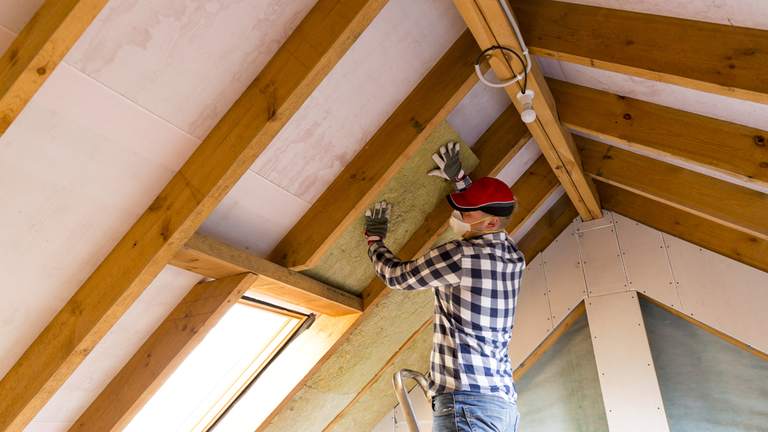
The life span of insulation is between 20 and 100 years. At that time, existing insulation can fall victim to gravity, resulting in compression, which reduces its insulating protection or R-value. If you can't simply add more insulation over the existing material, removing the old to increase the effectiveness of the new can reduce your energy bills and make the project worth the time and money investment.

On average, insulating an attic costs about $2,500, with a typical range of $1,500 to $3,500. The final price often depends on the attic's size, with costs generally falling between $1 to $3 per square foot. For example, insulating a 1,800-square-foot attic would likely cost between $1,800 and $5,400.

If the project involves removing old insulation, this can add an average of $900 to the total cost, bringing a full removal and reinsulation project to around $3,000.

Several factors influence the overall cost:

  • Insulation Type: Prices per square foot vary significantly by material.

  • Reflective: $0.50–$1.50

  • Blown-in: $1–$4

  • Batt: $2–$4

  • Loose-fill: $2–$5

  • Spray foam: $2–$5

  • Structural insulated panels (SIPs): $4–$7

  • Project Complexity: Factors like sealing air leaks, poor attic accessibility, and required inspections can add to the cost.

  • Removal Issues: The discovery of mold, asbestos, or pests during the removal of old insulation can substantially increase the price.

If you have blown-in insulation, using an insulation vacuum will quickly and easily suck up all the insulation. Many come with built-in HEPA filters for added safety. While some people suggest breaking up large batts and feeding them into the vacuum, this can expose you to more fiberglass fibers. With batts and rolls, carefully removing them and placing them into garbage bags is a better process.

Ductwork should be wrapped in insulation in certain locations. This includes unconditioned interior parts of the home, such as attics, crawl spaces, basement ceilings, and between floors. Duct joints should also be insulated since they're more likely to leak air than other parts of your system. Building codes in some areas also require ductwork to be insulated.

Yes. Proper, complete insulation will ensure that you trap the most cool or warm air inside your home, preventing high energy bills. In addition, insulation tends to settle and compress, leaving gaps over time; the more you insulate completely during the initial installation, the less you’ll need to do down the line.

The Atmore, AL homeowners’ guide to insulation services

From average costs to expert advice, get all the answers you need to get your job done.

What do you need done? We’ll find top pros.
  • 🌱 "Mow a small front yard"
  • 🛠 "Fix a leaking pipe under the sink"
  • 🏠 "Repair shingles on an asphalt roof"