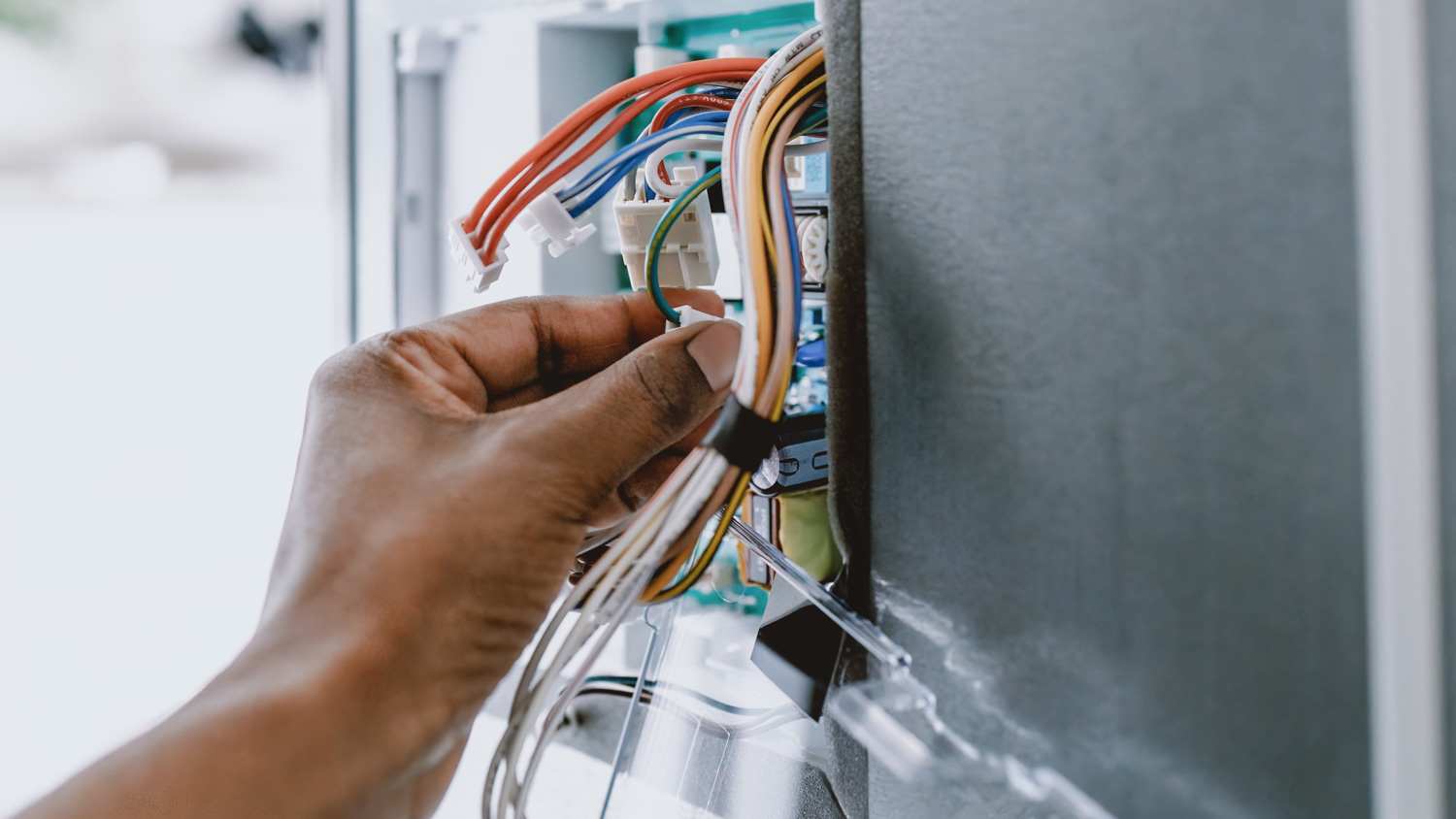
"Very great customer service. Came in knocked the job out. Explained everything they did to a tee. I Was very impressed with the quality of work. I would highly recommend them to anyone looking for an electrical work that needs to be done."
"He came right over on a Sunday and helped drain the crawl space then set up schedule to dry out, replace wet insulation and fix broken pipes. Ordered and later installed new water heater. It was a process but Matt and his associates were super helpful, professional and nice."
"Very well. Great communication the entire time. There were some time set backs due to the pandemic but we were notified of all progress as the job went along. Photos and videos were uploaded to the app they use to keep us informed. The work site was clean and orderly the entire time as well. No issues with debris in the yard or driveway. Overall we had a great experience and would recommend them to friends and family. Very knowledgeable, friendly, and easy to work with. A definite company to consider for all construction or remodeling needs."
The total cost to install a 120V outlet will depend on the type of outlet you choose, labor costs, and any customizations. Standard 120 volt outlets usually cost $3 to $5 each. But say, for example, you customize your 120V outlets with USB ports, you’ll end up paying a bit more at $13 to $22 per outlet. When it’s all said and done, you can expect to pay around $175 for each new 120V outlet and $125 each for replacement.
Basic smart light switches are available for as little as $20. If you can install them yourself, it’s a home upgrade that won’t break the bank. Many homeowners view them as a worthwhile investment for the additional convenience and security they can offer. However, they are a little more tricky to install than standard light switches, so if you don’t have the electrical knowledge to do a DIY job, unless you need a lighting upgrade, remember these are a nice-to-have rather than a necessary purchase.
No, you shouldn’t immediately reset a tripped breaker. If you don’t know what tripped the breaker, resetting it and continuing the actions that set it off could pose a hazard. It also means your breaker will sustain greater damage if it trips again. If you know the cause of your tripped power, unplug faulty appliances or fix the issues, then reset it, and wait a few minutes before using electricity in that circuit.
Yes, you can get shocked while using a multimeter if:
You touch the metal tip while testing a live current.
The meter isn’t properly rated for the voltage.
The meter picks up on transient voltage that’s above the range you’ve set.
The meter has defective parts.
You can prevent shock and personal injury by using a multimeter properly and maintaining your device.
If you’re unsure how to use a multimeter or want help with your project, contact a local electrician to get the job done.
According to the National Electrical Code (NEC), GFCI outlets should be installed in wet or damp locations where they might be splashed with water or other liquids. This is to protect against ground faults, which are more common around water. Specific areas that require GFCI outlets include kitchens (especially near counters), bathrooms, laundry rooms, basements, garages, and all outdoor receptacles. Depending on local electrical codes, you may need at least one GFCI outlet in these rooms, or every outlet in the area may need to be GFCI protected.
The Valdez, AK homeowners’ guide to electrical services
From average costs to expert advice, get all the answers you need to get your job done.
Before you hire a licensed electrical contractor, you should learn the cost to run electric from the road to your house so you can budget for the project.
Whether you’re shopping for a new home or simply doing a safety check on your current place, learn what factors influence an electrical inspection cost.
Is it time to upgrade your electrical panel? For the sake of safety, find out sooner than later by exploring our top signs that it’s time for an upgrade.