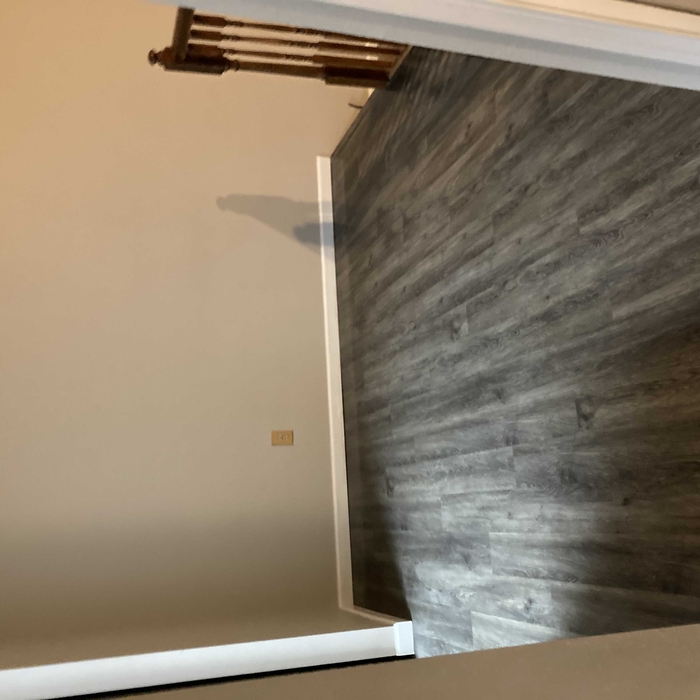
"Smooth but I had to correct their bill when the foreman asked for a signature and again when they tried to collect for a service that wasn't rendered. I chalked it up to a communications error, twice."
"They were responsive and flexible with timing, they even started a couple days ahead of schedule. They made valuable suggestions on what trees to have cut and asked if we wanted any of the wood or if we wanted it removed."
"Dan did a great job. He worked on a couple of projects for us. He even saw the work another contractor did and cleaned it up so it was more aesthetic. Super receptive to feedback and did an excellent job with customer service. We’re looking forward to using him again."
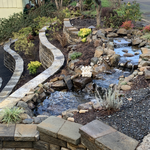
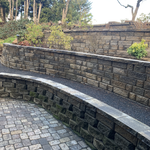
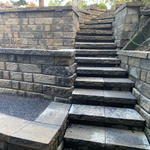
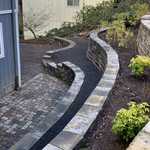
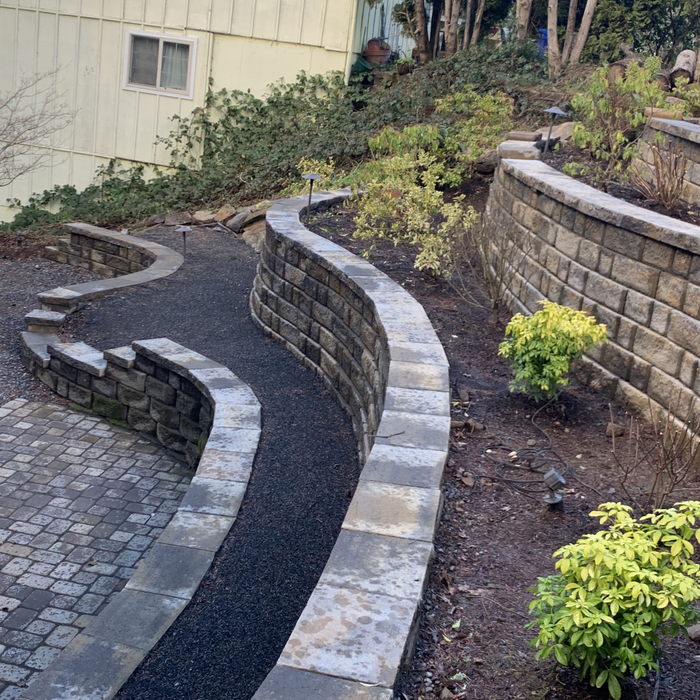
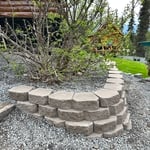
"Tree work was fast, good and reasonable price. Very fair Price and beautiful design and work on the retaining wall, Island Pro is my go to team for work around my Home. Kevita is a real pro!"
It takes anywhere from three to seven years for a stump to decompose on its own. This timeframe can depend on the kind of tree and your climate. The lower to the ground the stump is, the faster it rots. If you kill a tree stump with salt, boiling water, herbicide, light deprivation, or burning, the tree stump decomposes faster.
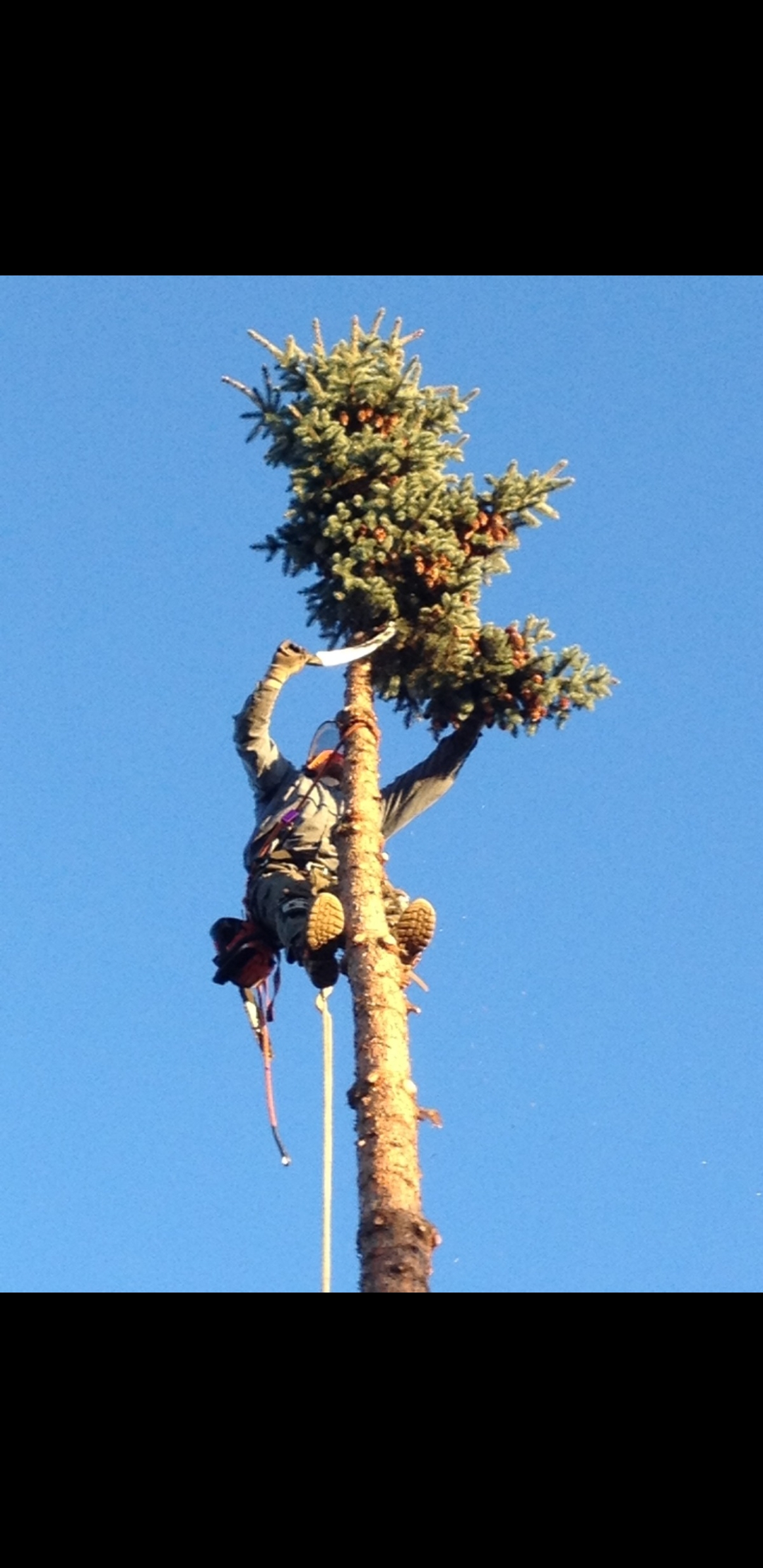
Generally, no, tree topping isn’t a good technique, and you should avoid using it in most cases. Tree topping may be the only good option to save a tree following severe damage after a storm, but in most other cases, it’s not the right choice. Tree topping can leave trees vulnerable to disease and further damage, and most pros will suggest against it.
There are a few differences between tree guying and tree staking. Tree guying requires anchor stakes that are shorter and stronger than regular stakes and are driven deeper into the ground at an angle away from the tree. Tree staking uses longer stakes that are set parallel to the tree and are used for smaller trees. Consult a local tree professional to determine which method is best for your tree.
DIY is risky and not recommended for large trees; professional services ensure safe removal and proper disposal.
Yes, cutting a tree's roots can cause it to fall, particularly if major support roots are severed. In extreme cases, trimming roots can affect the tree's structure and stability. Many crucial roots are located just below the soil's surface. If you make severe cuts to roots more than 2 inches in diameter, you risk impacting the tree's water flow and its ability to withstand severe winds or storms. Even cutting roots less than half an inch in diameter under or outside the tree's canopy can cut off its water supply, causing it to decline, die, and eventually topple.
The Valdez, AK homeowners’ guide to tree services
From average costs to expert advice, get all the answers you need to get your job done.
Tree inspections can ensure your trees stay healthy and safe, preventing costly damage. Learn how much tree inspections cost and what can affect the price.
How much does an arborist cost? This guide explains the cost of different services, ongoing expenses, and other factors to consider when hiring an arborist.
Follow these tips to learn how to find a good tree removal service. Doing a little research can help you save time and money when you need to say goodbye to your trees.