"Quality One provided me quick help that perfectly addressed my needs. They were communicative, helpful, and I felt confident in the rate they quoted me. I will definitely work with them again!"
"The workman ship was excellent. Configured the plumbing if repairs were needed in the future it would be minimum impact. Highly recomended to perform any type a job"
"David is wonderful. He did a terrific job on a house with many windows on various levels. I have recommended him to my neighbors and will use him again this coming summer."
"Very well. Great communication the entire time. There were some time set backs due to the pandemic but we were notified of all progress as the job went along. Photos and videos were uploaded to the app they use to keep us informed. The work site was clean and orderly the entire time as well. No issues with debris in the yard or driveway. Overall we had a great experience and would recommend them to friends and family. Very knowledgeable, friendly, and easy to work with. A definite company to consider for all construction or remodeling needs."
The best way to clean your decking is to clear debris from the gaps between the boards, sweep the surface, rinse it, apply cleaner, rinse again, and let it dry fully. A homemade deck cleaner made of two gallons of warm water and 1/2 cup vinegar is a simple cleaning solution for both wood and composite decking. You can sprinkle baking soda on any spots with mold or mildew, then scrub the area and rinse clean.
Yes, adding railing to a deck is a great way to improve safety and your home’s aesthetic appeal. Railings can be constructed from wood, metal, or composite, and there are plenty of choices regarding design and style. Always consult local building codes before starting any building project—there are often requirements regarding spacing and height that can differ slightly from place to place.
Expect to spend around $10,000 to $11,000 to replace a 20-by-20-foot deck. Using high-end materials like composite or exotic hardwoods can drive up the cost, as can custom features and design elements. You can also expect to pay more than average if your deck replacement requires a site evaluation or if you need the work done during the busy season.
Yes, it is possible to build a small, basic deck for $5,000, particularly if you use less expensive materials and a simple design. To stay within this budget, consider a size under 10x12 feet and use affordable materials like pressure-treated wood or cedar. While the general cost for deck building ranges from $4,350 to $12,560, with an average around $8,200, some projects can be completed for as little as $4,350. You can also save on labor costs by doing the work yourself, but be aware that mistakes could end up costing more than hiring a professional. A contractor may have a higher upfront cost, but they can ensure a safe, stable deck that will last.
Deck skirting shouldn’t touch the ground, especially if you have a wood deck, which is vulnerable to moisture. Ideally, you should leave at least 3/4 of an inch of space between the deck skirting and the ground for more ventilation. Pros also recommend that you incorporate about 1 square foot of space for ventilation for the underside of the deck to every 150 square feet of decking. Proper ventilation prevents mold growth and rot that can damage your deck.
The Valdez, AK homeowners’ guide to deck maintenance services
From average costs to expert advice, get all the answers you need to get your job done.
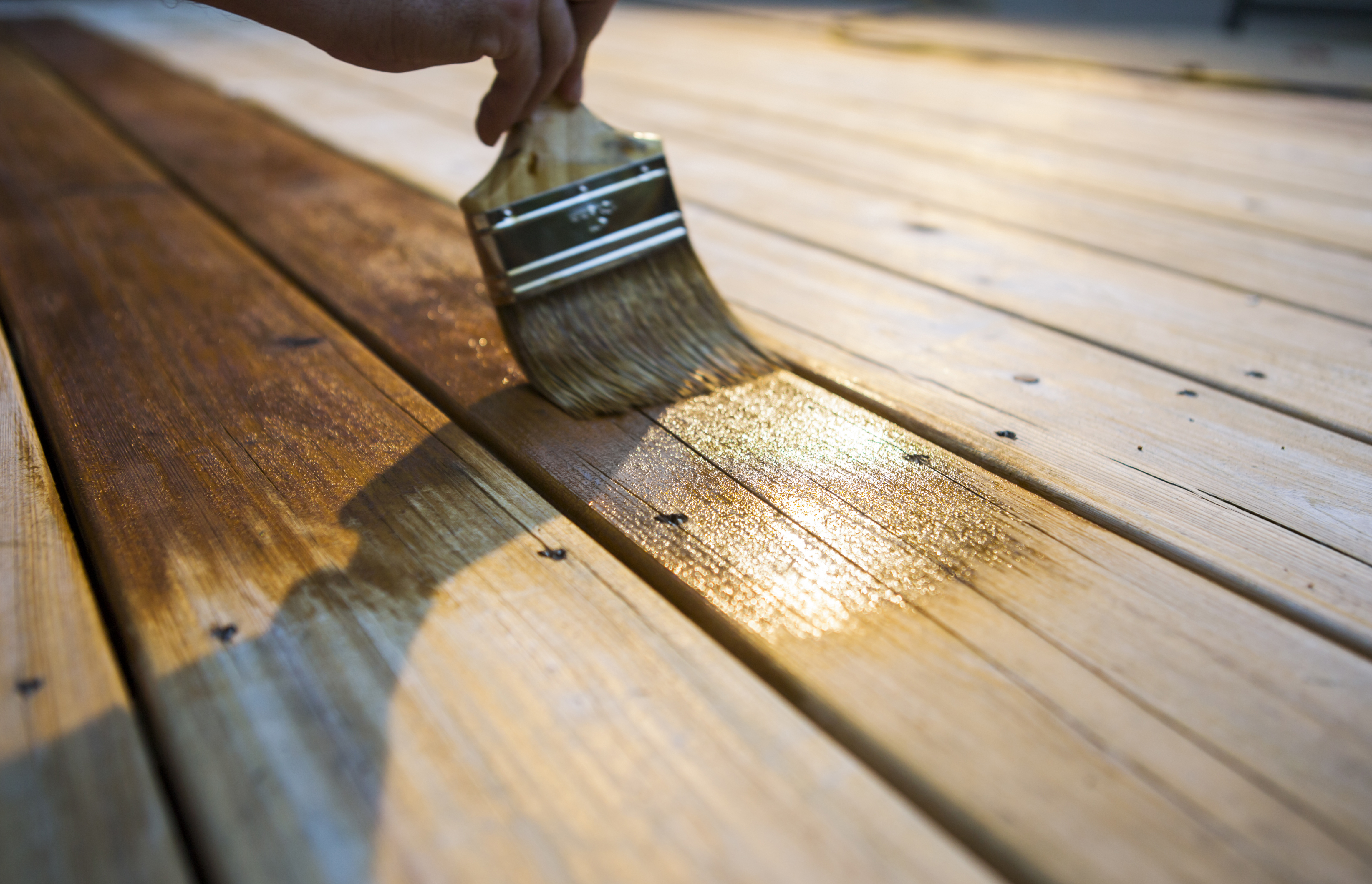
Deck maintenance is vital to protecting a wooden deck. Cleaning, staining and sealing a deck after pressure washing will add years to its lifespan. Protect a deck by following these deck maintenance tips for cedar and other types of wood materials.
Finding maintenance-free decking that works for your home, budget, and lifestyle can be challenging. This guide lists the 7 best low-maintenance deck materials.