A tankless water heater should be at least 10 feet away from a water softener, although the pros you hire for water softener installation can help you determine the correct distance. These two units need to have some distance between them to prevent hot water from the tankless water heater from flowing backward into the water softener when it runs a regeneration cycle.
Routine maintenance involves recharging the resin bed with salt or potassium, cleaning components, and periodic inspection.
Most of the U.S. has hard water, especially across portions of the West and Midwest. The areas with the hardest water include parts of Texas, Oklahoma, Kansas, Colorado, New Mexico, Utah, Wyoming, Illinois, North and South Dakota, Ohio, and New York. You’ll find soft water in parts of New England, the Southeast, the Pacific Northwest, and Hawaii.
You can install a water softener system by turning off the water supply, draining the water, and then connecting your device to the waterline. Next, you’ll fill your tank with the recommended amount of salt or brine (whichever your unit calls for; be sure to read the instructions). Turn the water supply on and check for leaks. You can opt to let your water run for a few minutes, then test it using strips.
The most effective way to fix hard water in your shower is by installing a whole-home water softening system. This system treats water as it enters your home, removing the minerals that cause hardness before they can reach your shower or any other fixtures. While this is the most comprehensive solution, other methods are often temporary fixes. For a more affordable and shower-specific option, you can install a water-softening showerhead or a shower filter. However, these filters are generally less effective and may not remove all the contaminants that lead to limescale and hard water stains. By implementing a water softening solution, you can expect a reduction in mineral deposits and enjoy the benefits of cleaner-feeling hair and skin.
The Dillingham, AK homeowners’ guide to water softener services
From average costs to expert advice, get all the answers you need to get your job done.
Water softeners work to remove unwanted minerals from hard water through a filtration and recharge cycle. Keep reading to learn how a water softener works.
There are four common softener alternatives available on the market today. We compare and contrast each one to help you find your best-fit solution in this blog.
Water softeners rid your home of hard minerals and, well, soften your water. Even better, the regeneration process is an automatic cycle that works when you’re least likely to use it.
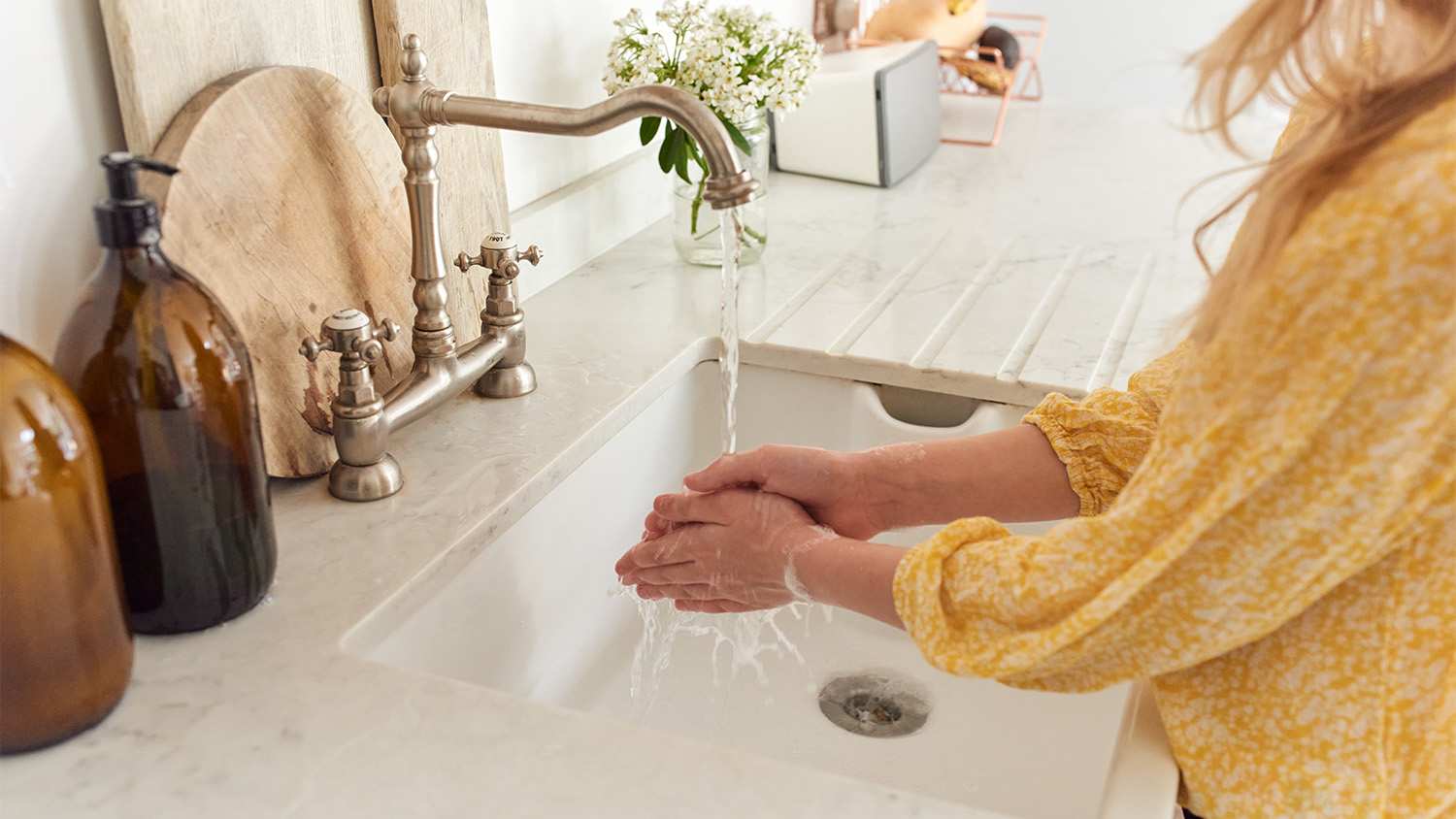
Water softeners remove hard minerals from your tap water, improving plumbing systems and water-using appliances. Here are the most efficient water softeners out there.