"Glad that I reached out to Kelci, she’s been nothing but helpful and responsive from our initial phone call. Definite repeat customer here. Found good help for a good price and recommend her to anyone. She’s stepped up exceeding my expectations of being able to help out with moving into new home & helping organize as well as Top Notch cleaning services."
"David is wonderful. He did a terrific job on a house with many windows on various levels. I have recommended him to my neighbors and will use him again this coming summer."
Absolutely—and lots of it. Overflowing water from your gutters can damage your siding and your roof. All of the moisture getting into the cracks and crevices of your home can lead to mold or mildew problems down the line. In addition, when water pools around your home, it needs a place to go—and sometimes it ends up inside the house, creating a very unwanted flood.
Yes, gutters can still get clogged even with gutter guards installed. While guards significantly reduce the amount of debris that enters your gutters, they are not 100% effective.
Small debris such as pine needles, seedlings, algae, small leaves, and pebbles can pass through the guard's screen or mesh and accumulate over time. Clogs can also form if the guards themselves are not cleaned and become overwhelmed with debris on top, preventing water from entering the gutter.
If this buildup is neglected, it can lead to clogs, water leaks, mold growth, and even plants sprouting from the gutters. The primary benefit of gutter guards is not the complete elimination of maintenance, but a dramatic reduction in how often you need to perform it, often from several times a year to just once a year or less.
Yes, professionals can spot and rectify downspout issues such as clogs, leaks, or disconnections during cleaning. They ensure proper water flow, protecting the building's foundation and preventing water damage or erosion.
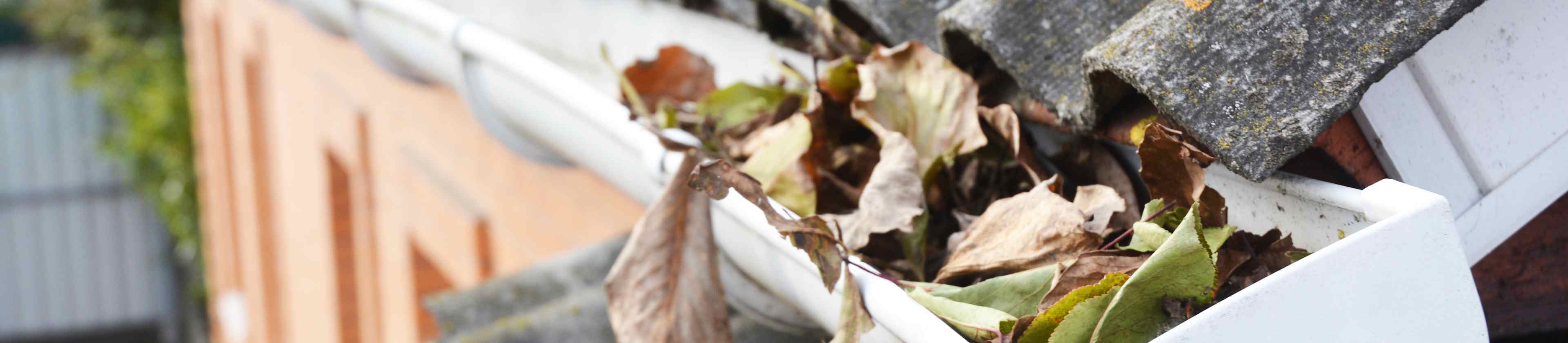
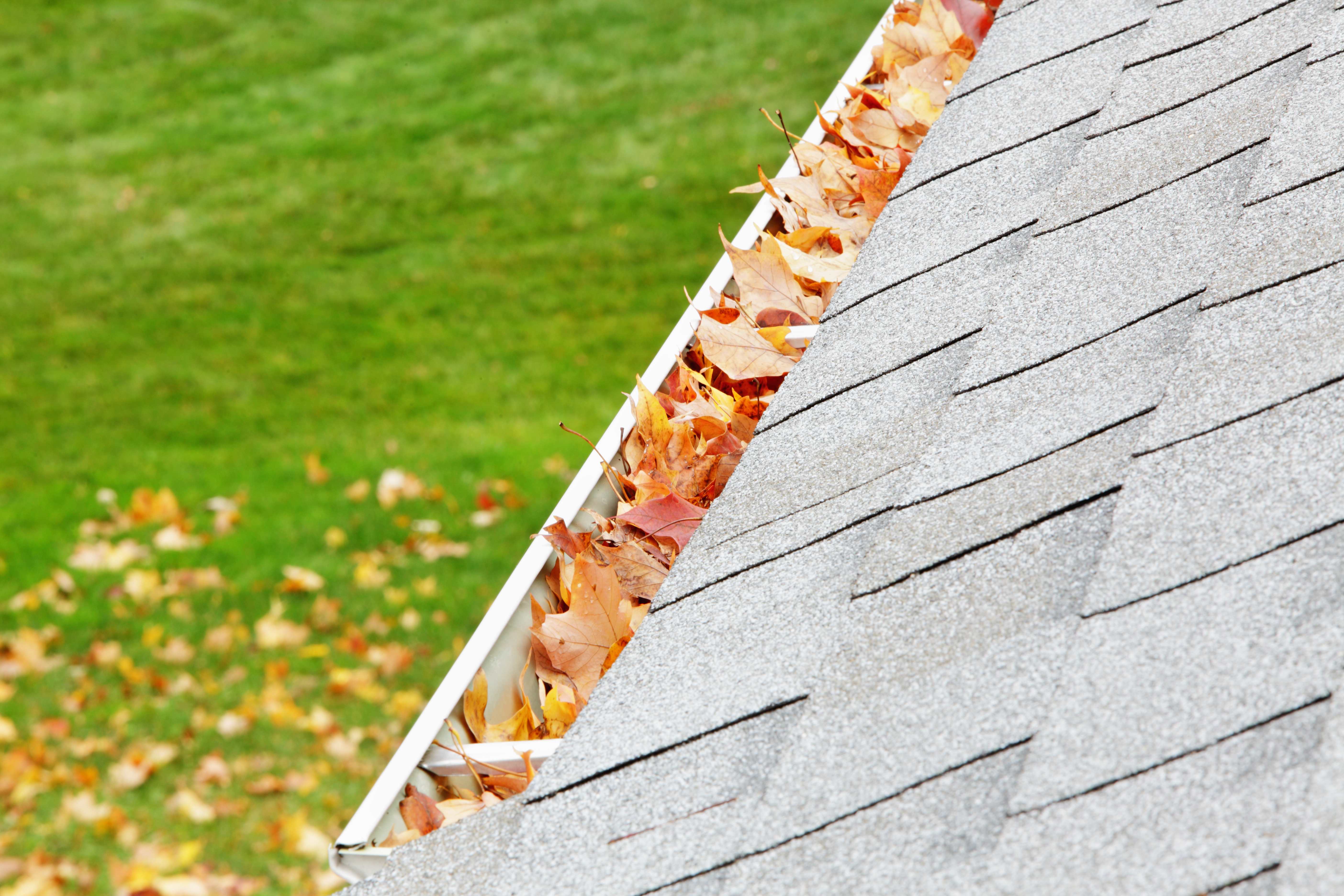
Failing to clean your gutters can lead to serious and costly damage. When leaves and other debris cause blockages, water cannot drain properly and will overflow. This can lead to water pooling around your home’s foundation, causing basement flooding and structural damage. The overflow can also damage your roof, siding, and fascia boards, with the constant moisture promoting mold, mildew, and rot. The weight of wet debris can cause gutters to sag or break, while stagnant water creates a breeding ground for pests like mosquitoes and rodents. Additionally, runoff can damage landscaping or freeze on driveways and patios, causing cracks. To prevent these issues, it is recommended to clean your gutters at least once or twice a year.
To clean the tops of gutter guards, use a soft-bristle brush or a leaf blower to remove debris like leaves, twigs, or dirt. For stubborn grime, spray the guards with a garden hose, directing water downward to avoid forcing debris into the gutter. If the guards are removable, take them off and rinse thoroughly before reattaching. Regular cleaning, especially during fall or after storms, will help maintain their effectiveness.
The Dillingham, AK homeowners’ guide to gutter cleaning services
From average costs to expert advice, get all the answers you need to get your job done.
This guide to gutter cleaning costs provides estimates for cleaning different types of gutters, tips for saving money on gutter cleaning, and answers to how to clean gutters.
This guide on how to clean the outside of gutters offers tips for how to remove debris, grime, black spots, and streaks from gutters to get them to last as long as possible.