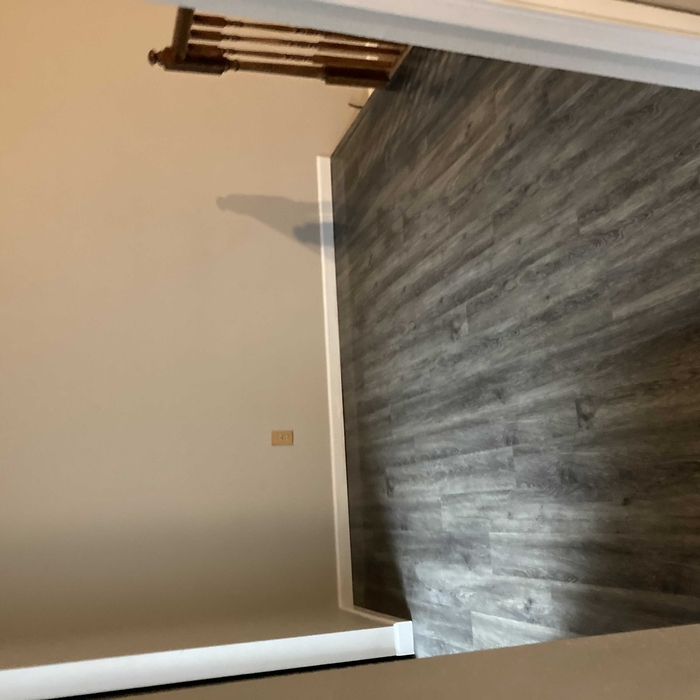
"Glad that I reached out to Kelci, she’s been nothing but helpful and responsive from our initial phone call. Definite repeat customer here. Found good help for a good price and recommend her to anyone. She’s stepped up exceeding my expectations of being able to help out with moving into new home & helping organize as well as Top Notch cleaning services."
"David is wonderful. He did a terrific job on a house with many windows on various levels. I have recommended him to my neighbors and will use him again this coming summer."
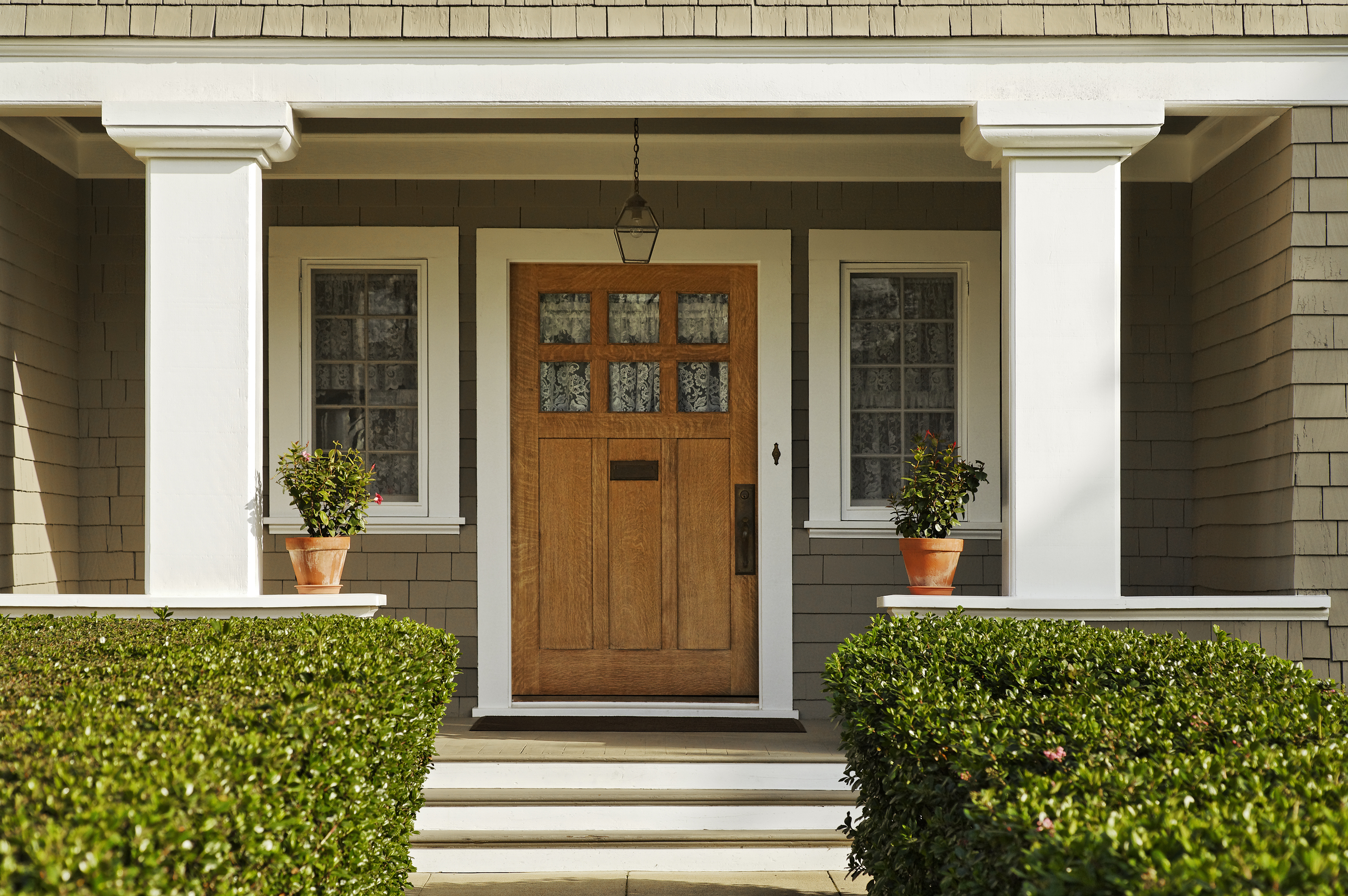
No, exterior doors don’t need to be prehung, although choosing a door that is prehung makes the installation process far easier. Installing an exterior door that isn’t prehung requires carefully maneuvering the heavy door into place in your door frame, making sure it’s level and plumb on all sides, and then attaching the hinges so that they’re perfectly level and are affixed to the right part of your frame and door. Prehung exterior doors are far more DIY-friendly.
Doors get more sticky in the summer. Contrary to popular belief, doors can also stick in the winter since humidity causes doors to stick during both seasons. However, thermal expansion and humidity in the summer mean that the thermal heat and moisture in the air both play a role in causing a door to stick.
While spring and summer’s temperate weather can make the project more pleasant and give you more daytime hours to start and complete it, there’s otherwise no advantage to framing a door in spring or summer versus fall and winter.
Longer screws can make a door more secure, but this isn’t a foolproof method for security. Replacing the short screws in your door’s strike plate with screws that are 3 inches long will make it much more difficult for an intruder to force entry by kicking down the door, but it won’t do anything to stop them from picking the lock.
While doggie doors are convenient for pet owners, they do offer a few drawbacks. For instance, they’re small enough that unwanted critters could come into the house, such as raccoons, snakes, rats, and insects.
They’re also large enough that small children can escape through them, which can be a serious concern to parents of young children.
Finally, doggie doors can make it difficult to regulate your home’s temperature because they constantly let in hot or cold outside air.
The Dillingham, AK homeowners’ guide to door services
From average costs to expert advice, get all the answers you need to get your job done.
Are you looking to upgrade an old door in your home? Use this interior door installation cost guide to estimate the project's total cost and learn how to save.
Whether you’re installing a new door or replacing an existing one, the cost of door installation varies based on location, door type, framing needs, and other factors.