Basement Waterproofing questions, answered by experts
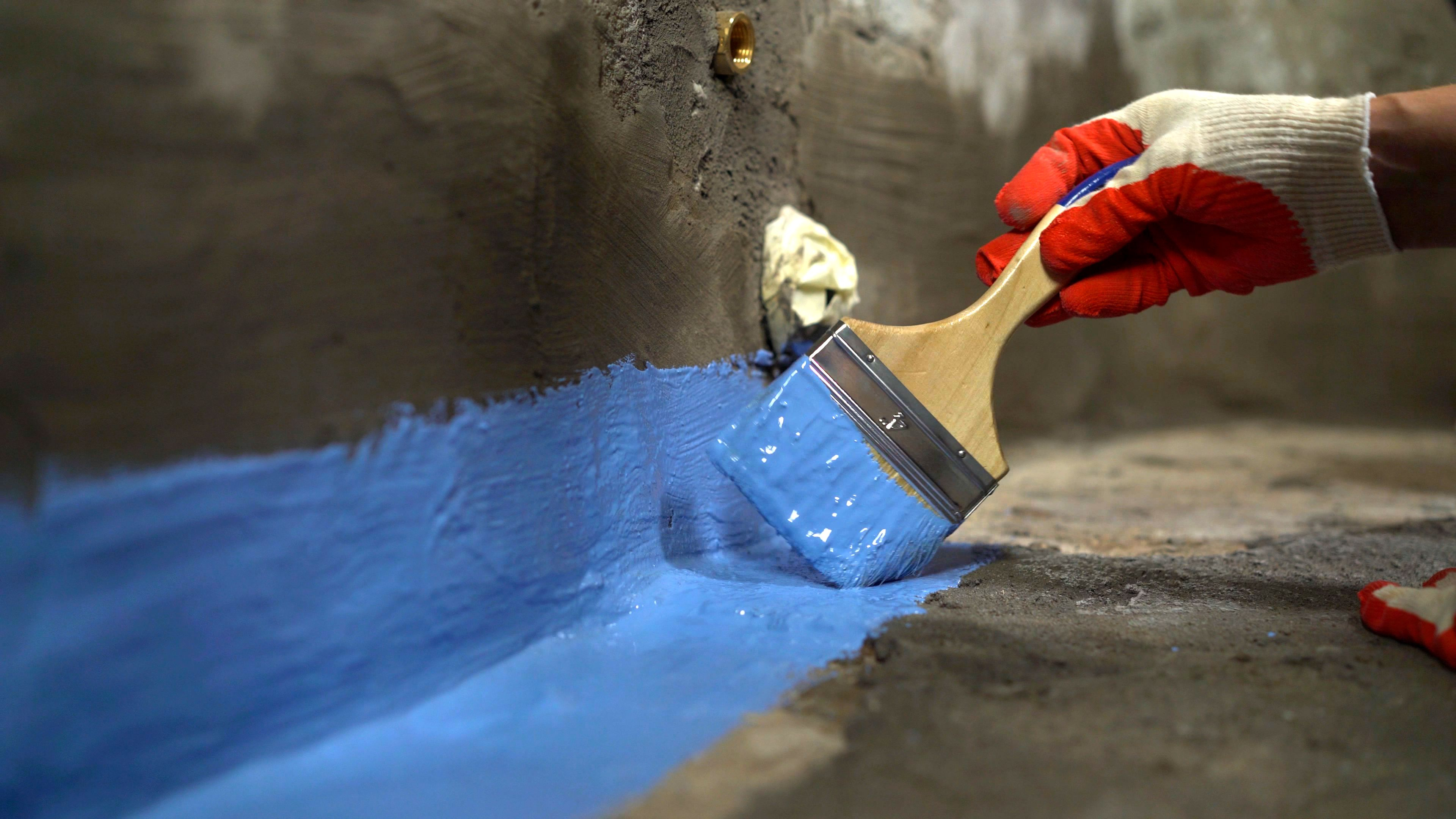
Typically, waterproofing a basement should last up to 10 years. However, it’s worth noting that with proper maintenance and depending on the waterproofing method and installation quality, you can probably squeeze another decade out of it.
Regular inspections, maintaining proper grading around the foundation, and keeping gutters clear are advisable. Vapor barriers and sealants may need checking for wear after several years.
Venting the crawl space can be a good alternative to encapsulation if you live in a dry climate and the moisture problem isn’t severe. You could also try a dehumidifier or install a vapor barrier on the floor, leaving the walls exposed. A new drainage system may eliminate the moisture problem if it is not caused by humidity.
Yes, water coming up from the floor should be treated as an emergency. If you're unable to either identify or stop the source of the water on your own, contact an emergency plumber right away. In addition to harming your flooring, standing or pooled water can lead to water-damaged concrete.
A moisture or vapor barrier helps separate the warm air inside your home from the cold air outside of it. Without it, your walls could collect condensation, mold, or other damage. Check your local building codes to see if including an interior vapor barrier is necessary for your building project or renovation, especially for rooms that are likely to be humid, like bathrooms.
The Dillingham, AK homeowners’ guide to basement waterproofing services
From average costs to expert advice, get all the answers you need to get your job done.
Need to fix basement water problems or safeguard your home from damage in the future? Use this basement waterproofing cost guide to budget appropriately.
An unfinished basement has a lot of potential for a family room or guest suite. So how much does it cost to finish a basement? Read on for all cost factors.
Dealing with a damp basement? Follow these steps for DIY basement waterproofing to keep water and moisture out and boost your home’s energy efficiency.
Can’t seem to get rid of the moisture and mold in your basement? Learn why basements tend to hold moisture and how to get rid of moisture in the basement.