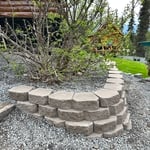
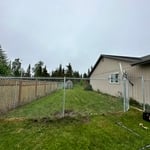
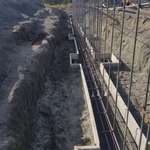
"Kent has done everything he has said he would do along with give us some improvement suggestions that would either make the project better or save us some money."
Arctic Excavators LLC is an Alaskan and Service Disabled Veteran Owned civil site work and excavating contractor. This family founded company has worked throughout the state of Alaska on both residential and commercial civil construction and excavation projects since 1970. Give us a call today for help with your next project!
Trenching and boring are two distinct methods for installing underground utilities. Trenching involves digging a channel using equipment like an excavator, trencher, backhoe, or shovel. While it is a simpler process, it causes significant disruption to the surface, landscaping, and surrounding ecosystems.
Boring, also known as directional boring, is a less invasive alternative that uses a drill to create a tunnel for utility lines without disturbing the surface. This method is more precise and is ideal for installations that need to go underneath buildings, roads, or bodies of water. Although boring is less disruptive, it is generally more expensive than trenching.
Trenching is a specific kind of digging. Trenching means digging a depression in the earth that’s deeper than it is wide, often with heavy machinery. Digging refers to any kind of removal of earth in order to create a human-made depression, hole, or cut in the earth’s surface. You can dig with big tools or even with just a hand shovel.
Consultation with the local government helps identify necessary permits, avoid project delays or legal issues, and protect project integrity.
How deep your septic system needs to be into the ground depends on several factors. In extremely cold environments, the tank needs to rest below the maximum frost line, which can be up to six or eight feet deep. The standard burying depth for most systems is between a few inches and four feet below ground level. Depth can also depend on the slope of the landscaping and other property variables.
You do not have to dig footers for a deck as long as it meets local code and holds up to weather in your area. If you live somewhere that experiences high winds and earthquakes, you may need to dig for your deck posts. Deck blocks, post anchors with base plates, and helical pile systems are the three no-dig deck post options you can choose from if local code permits.
The Dillingham, AK homeowners’ guide to excavation services
From average costs to expert advice, get all the answers you need to get your job done.
Excavation costs $1,500 to $6,300 for most residential projects—but it depends on factors like the size of the area. This guide will help you plan a budget.
You can't have an in-ground pool without digging into the ground. How much does pool excavation cost, and can you take it on yourself? Our guide explains.