

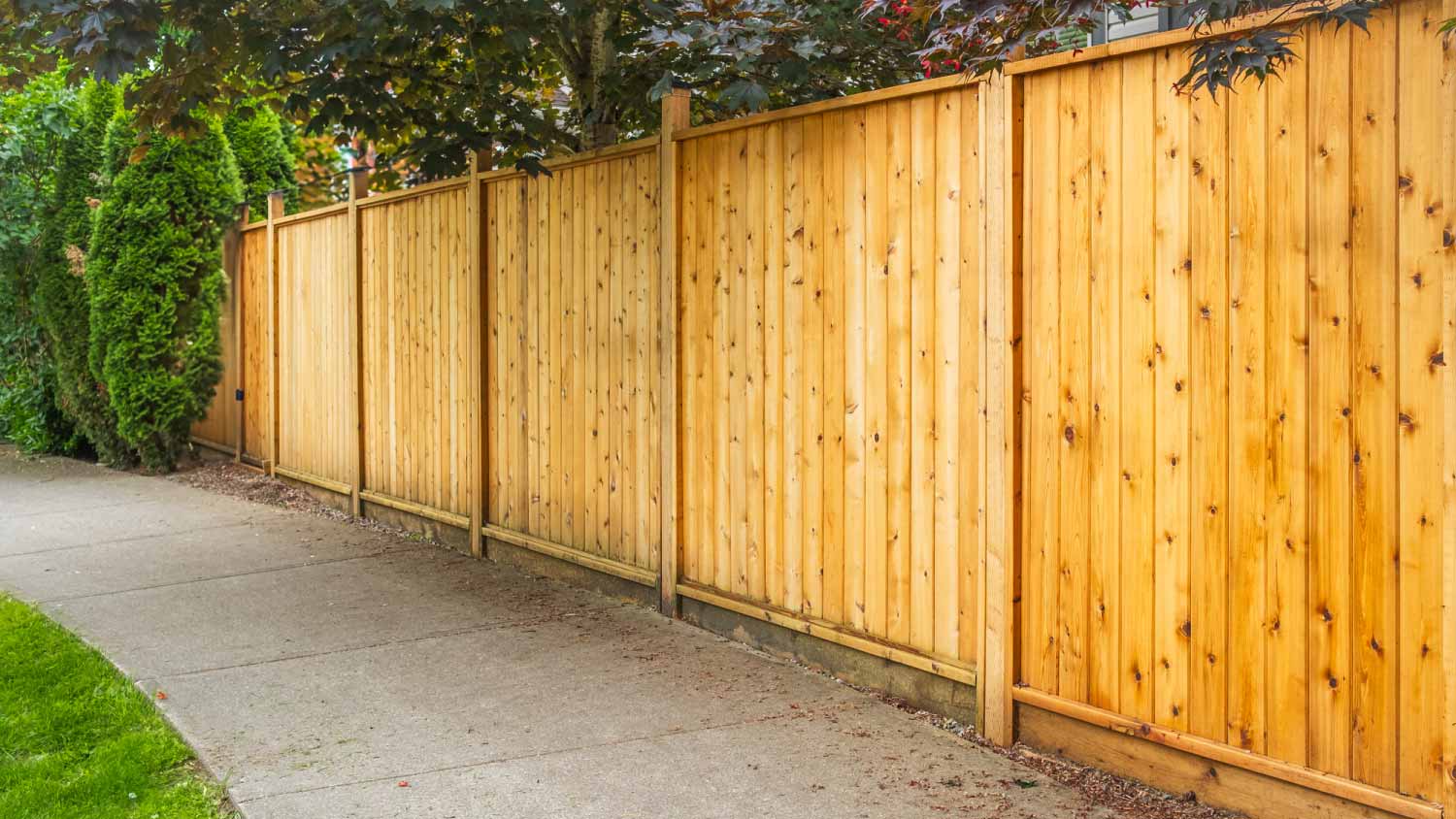
Knowing how much a cedar fence costs will help you stay on budget. Use this guide to estimate and plan for your project.
Fencing service costs depend on your project and location. Check with a local pro for your specific job.

Split rail fence installation costs $2,250 to $5,500 for materials and labor, and your fence length drives total.
Your material choice shapes price, cedar and pine cost less, while vinyl, steel, and aluminum raise budgets.
Account for painting or staining your wood fence, adding $500 to $3,000, plus permits or removal.
Hiring a local landscaping professional ensures your split rail fence is installed correctly and saves you physical effort.
In 2026, the national average cost to install a split rail fence is $3,500, though your total will vary based on fence length, material, and location. Most homeowners spend between $2,250 and $5,500 on this project. Make sure to budget for extras like painting or staining, which can add $500 to $3,000 to your total.
Fence length is the single largest driver of your split rail fence cost, which ranges from $15.50 to $39 per linear foot. Materials alone range from $11.50 to $30 per linear foot, while labor adds $4 to $8 per linear foot on top of that. The longer your fence perimeter, the more you'll spend on both materials and installation labor.
For particularly large fencing projects, you may see minimal savings on materials if you purchase in bulk, but your total will still be higher due to increased labor costs.
While fence installation may seem like a weekend DIY project, it requires careful preparation and planning. We recommend contacting a pro to ensure the job is done to your specifications and with the best materials.

Enclosing one square acre of land requires 835 linear feet of split rail fencing, which costs $12,900 to $32,600, or $22,800 on average. Longer fences demand more material and labor, so your total scales directly with the number of acres you need to enclose. Plan your budget by acreage to get the most accurate cost estimate before contacting a pro.
The table below breaks down the average split rail fence cost by acre:
| Fence Size by Acre | Average Cost Range in 2026 |
|---|---|
| 1/4 | $3,200–$8,200 |
| 1 | $12,900–$32,600 |
| 10 | $129,000–$325,700 |
Your material choice is one of the most significant factors shaping your split rail fence cost, with options ranging from budget-friendly wood ($11.50 to $18 per linear foot) to premium metal ($20 to $30 per linear foot). There are several types of farm fencing materials available, each varying in durability and regional availability. The following table breaks down average per-foot costs for the most commonly used split rail fencing materials:
| Material Type | Average Cost (Per Linear Foot) in 2026 |
|---|---|
| Cedar | $11.50–$18 |
| Pine | $11.50–$18.50 |
| Black locust | $20–$30 |
| Composite | $12–$25 |
| Vinyl | $18.50–$25 |
| Steel | $20–$25 |
| Aluminum | $25–$30 |
Wood is one of the most affordable split rail fence materials, with labor and materials running around $800. You'll also need to budget an extra $500 to $3,000 for paint or stain, which protects natural wood from pests, rot, warping, and weathering. Wood fencing adds natural charm to any property, making it a popular choice for gardens and decorative borders.
Below are some average split rail fence costs based on the type of wood you want. Keep in mind that these prices don't include installation costs.
Cedar wood fencing costs: $11.50 to $18 per linear foot
Pine wood fencing costs: $4 to $10 per linear foot
Black locust wood fencing costs: $20 to $40 per linear foot
Composite fencing costs $12 to $25 per linear foot. A composite material combines recycled wood shavings and other wood-processing byproducts with plastic materials. This combination is used to manufacture boards that mimic the look and feel of natural wood grain while offering greater durability. The plastic content helps the composite resist rot, pests, fading, and warping.
A split rail vinyl fence costs $18.50 to $25 per linear foot. Vinyl consists of smooth plastic molded into panels. It comes in many different colors and is invulnerable to rot, pests, and warping. However, it tends to become brittle in colder temperatures, so you may not want to install vinyl if you live in a northern state with extreme winters. Vinyl also doesn't provide the same rustic warmth as a wood split-rail fence.
Metal split rail fencing is less popular for large projects due to its cost, ranging from $20 to $25 per linear foot for steel and $25 to $30 per linear foot for aluminum. However, some homeowners choose metal split rail fencing for its durability and lower maintenance compared to other materials.
A fencing pro is the primary contractor you'll hire for split rail fence installation, with labor adding $4 to $8 per linear foot—around 50% of your total project cost. Most contractors charge $50 per hour, and most fences take 24 to 72 hours to install, resulting in labor costs of approximately $1,200 to $3,600. Getting multiple quotes from fencing pros helps ensure you're paying a fair rate for your project.
Installing a fence on undeveloped land quickly becomes a multifaceted project that requires several types of contractors. Here are a few common pros needed for a split-rail fence installation to help you know exactly who to hire to build a fence.
Hiring a land surveyor is especially important if you've recently purchased land, have undeveloped property, or aren't certain where your boundaries lie, with surveys costing $800 to $5,500 on average. Scope, terrain, accessibility, and property size all influence where your cost lands within that range. Surveyors identify property lines and map the natural topography of your land, helping you anticipate any challenges or additional services you may need before fence installation begins.
Land surveyors offer several services, including the following:
Fence land survey: $1,000–$3,200
Boundary surveys: $1,200–$5,500
Topographic survey: $2,000–$6,500
As-built survey: $1,600–$3,800
A landscaper can help design and construct your yard to complement your new split rail fence, with landscaping costs ranging from $1,200 to $6,100, or roughly $4.50 to $12 per square foot. Many professional landscapers prefer to charge by the hour, with rates ranging from $50 to $100 per hour.
For more complex design work, a landscape designer or architect can elevate your project, but they’ll often charge more than a standard landscaper. Landscape designers charge between $50 and $150 per hour, while landscape architects charge between $70 and $100 per hour.
Common landscaping services include installing plants, pools, patios, decks, and more. Your local landscaping company might offer other intensive services, like the following:
Hardscape installation: $5,000–$18,000
Tree trimming: $270–$1,800
Yard leveling: $1,000–$3,300
Geographic location influences split rail fence pricing, driven by regional labor rates and average lot sizes. While lower rural labor rates help reduce cost per linear foot compared to urban areas, rural projects typically require significantly more footage to enclose larger acreage. Geographic regional norms also dictate scope—larger property sizes in New England lead to higher total project bills than smaller suburban lots in high-density states like New York or New Jersey.
The following table breaks down average split rail fence cost ranges across major U.S. cities:
| City | Average Cost Range in 2026 |
|---|---|
| Austin, Texas | $2,100–$4,700 |
| Boston, Massachusetts | $2,400–$5,700 |
| Chicago, Illinois | $2,100–$4,700 |
| Denver, Colorado | $1,900–$4,300 |
| Miami, Florida | $2,200–$5,100 |
| Minneapolis, Minnesota | $2,200–$4,500 |
| Nashville, Tennessee | $2,200–$4,800 |
| New York City, New York | $2,200–$5,100 |
| Portland, Maine | $3,700–$7,800 |
| San Francisco, California | $2,300–$6,700 |
| Seattle, Washington | $2,300–$5,400 |
| St. Louis, Missouri | $2,900–$6,700 |
Beyond the base cost of materials and labor, your split rail fence project may involve additional expenses for items like wire mesh, gate installation, fence or tree removal, yard grading, and paint or stain. These add-ons can significantly drive up your total fence installation costs. Review each potential add-on carefully before finalizing your budget so you're not caught off guard.
The number of rails on your split rail fence affects both its height and your total cost. Standard 3- to 4-foot fence posts typically use just two horizontal rails, keeping material and labor costs lower. Each additional rail increases your total cost by 25%, or $875 per additional rail for an average fence.

Adding gates to your split rail fence costs an average of $200 per gate, though the final price will vary based on the size of your gate openings. Gates are a practical addition if you need regular access through your fence line, but they do add to your overall project budget.
Wire mesh for a split rail fence costs about $1.66 per linear foot and is worth considering if you need to contain pets or keep out smaller animals, such as coyotes, that can slip between the rails. Adding mesh gives your fence functionality similar to hog wire fencing, with added durability and security. It's a relatively low-cost upgrade that meaningfully improves the containment capability of a standard split rail design.
Replacing an existing fence means your installer will need to tear down the old structure first, which costs $3 to $5 per linear foot. Tall fences or those anchored with concrete are more labor-intensive and will cost more to remove. Dumping fees for disposing of the old materials add another $100 to $500 to your budget.
Most split rail fences don't require a permit, but if your fence exceeds six to eight feet in height, a permit is typically required—and costs vary by location. Permits for an average-sized fence typically run $20 to $60. Check with your local building department before starting your project to confirm whether a permit is required for your installation.
Any trees, bushes, or stumps in the path of your fence installation will need to be cleared before work can begin, with removal costing $385 to $1,070 per plant, or $10 to $14 per foot of plant height. Pricing for this work can be difficult to predict, so it's smart to gather multiple quotes from tree removal services near you before committing to a budget.
Yard grading—the process of excavating and re-sloping land that is too steep or uneven for fence installation—can add $900 to $3,000 to your budget, depending on the extent of work needed. Split rail fences are easier to install on slopes than most other fence types, so you may be able to skip this step entirely. If your property is uneven, a split rail fence may actually be the best fence for your property for that reason alone.
Painting or staining a split rail fence costs $500 to $3,000, depending on fence size and the quality of coating you choose. Wood split rail fencing requires paint or stain to protect it from pests, rot, warping, and natural weathering. Choosing a higher-quality coating costs more upfront but extends your fence's lifespan and reduces long-term maintenance needs.
We always recommend hiring an expert when it comes to installing a split rail fence. While it's not too complicated to build a fence, it's difficult work, and getting a great result takes time, patience, and skills with various tools and building methods. For these reasons, it's always worth making the $1,700 investment in hiring a local fencing pro.
There are a few main benefits of hiring an expert for your fence installation, such as:
Ensuring safety while moving and securing heavy materials
Getting a better-quality fence
Ensuring the fence will last for many years
Help with acquiring permits
Access to all necessary tools
Help getting all materials delivered to your property
Completing the entire fence installation yourself isn't recommended, but there are a few prep steps you can take to save money and time:
Call your local utility provider to find out if there are any buried lines where you plan to dig
Double-check your property lines with the help of a surveyor
Clear the installation site of any debris, large plants, etc.
If you can repair versus replace a fence, it will save on the cost of your project. There are two types of damage that can impact fencing: acute and chronic. Fences with acute damage only have an isolated section that was damaged. This can occur from a broken branch, tornado, animals, and more. You can usually repair acute damage without incurring high costs.
Chronic damage, on the other hand, is widespread and may have a larger underlying issue such as rot or insect damage. If left untreated for too long, you'll have a major problem on hand. In this case, you should replace the entire fence to ensure the disease or infestation doesn't spread.
When evaluating whether or not to replace your split rail fence, an easy way to determine the best financial decision is to see if the cost to repair the fence exceeds 50% of the cost to replace it entirely. It's generally not worth it to repair something that costs more than 50% of the replacement cost.
Making wise financial choices can help offset the cost of a split rail fence installation. We have a few tricks up our sleeves that you can use to help lower costs and save for your next big project.
Choose a lower, two- or three-rail split fence height to avoid extra material costs and labor spent installing a taller fence.
Decrease the size of the perimeter to decrease material costs and shorten the installation time.
Avoid fancy add-ons like gates.
Remove your old fence yourself.
Clear the path for your installers ahead of time to speed up the process.
Consider painting or staining your split rail fence yourself.
Choose a cedar, pine, composite, or vinyl material instead of a metal or less common type of wood fence.
Compare quotes from several contractors to hire the best fence contractor.
Make sure your site measurements are accurate to ensure a useful estimate
Ask your pro for advice on fence material for your area and budget
Don’t forget to factor in costs for the fence contractor and land surveyor
Factor any additional landscaping costs into your budget
Don’t forget to save space in the budget for add-ons like painting, staining, and gates
Home is the most important place on earth, which is why Angi has helped more than 150 million homeowners transform their houses into homes they adore. To help homeowners with their next project, Angi provides readers with the most accurate cost data and upholds strict editorial standards. We extensively research project costs to develop the pricing data you see, so you can make the best decisions for you and your home. We rely on reputable sources, including the U.S. Bureau of Labor Statistics, academic journals, market studies, and interviews with industry experts—all to ensure our prices reflect real-world projects.
Want to help us improve our cost data? Send us a recent project quote to [email protected]. Quotes and personal information will not be shared publicly.
We hired Andrew and the team from Midwest Lightscapes for a custom lighting design and installation on a Victorian Village home. The house had outdated low-voltage halogen outdoor lights and many of them were not working. Andrew designed and installed a new system including uplighting on the...
 Midwest Lightscapes
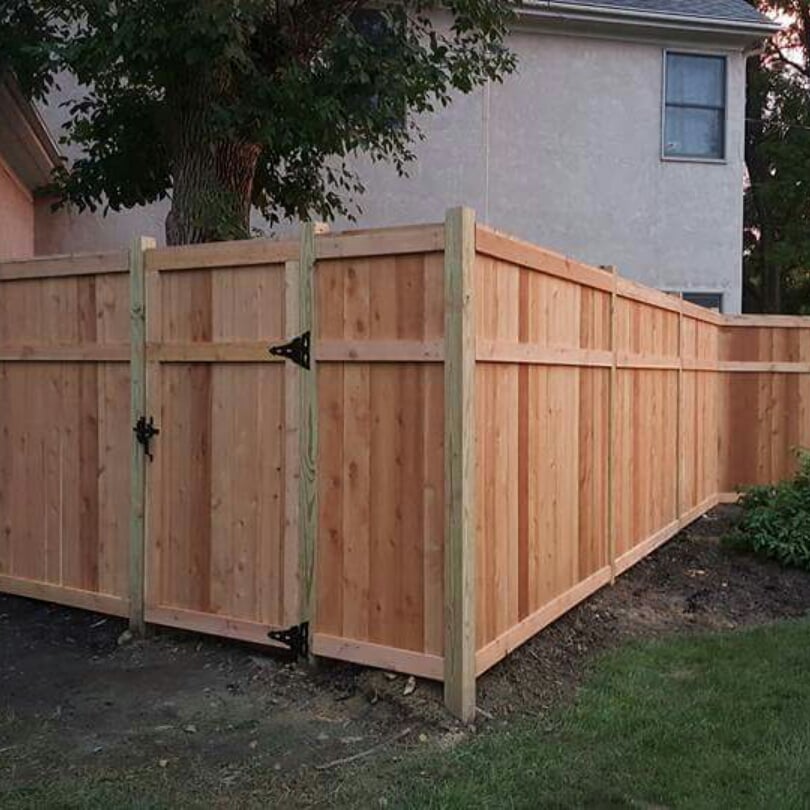
The work was completed in a day and a half. They cut small trees, pulled out an old swing set, pulled out railroad ties and left the place spotless when the job was complete. I am very happy with the fence and their efforts were above and beyond my expectations.
 Elite Fence
In short, the fence is horrible. Originally, I questioned if they stained the fence afterward(which was an additional $800) and was assured it was stained. Slowly, a few boards started to warp and pop off - Dan would send someone over to "replace the board." 2 years later i have warped boards...
 Bello Giardino LLC
He did a very good job building the first fence at a very reasonable price. He was a personable guy to deal with and I would highly recommend him to others.
Excellent work; great attention to detail; makes good suggestions but always goes along with what the customer requests; clean and tidy; intelligent; very reasonable rates. I would definitely hire him again for other home projects. He can do a variety of different jobs including: drywall,...
Installed a fence in the back yard. High quality cedar fence.
 Ace Fence & Deck LLC
HAD ISSUES WITH RETURNING PHONE CALLS DURING BID PROCESS AND SCHEDULING JOB. BUT JOB DID COME IN $100 LESS THAN BID. WORKERS WERE PROFESSIONAL, PROMPT, AND DID NOT GET SEALER ON NEIGHBORING FENCE.
 B&C Blacktop
From average costs to expert advice, get all the answers you need to get your job done.
Knowing how much a cedar fence costs will help you stay on budget. Use this guide to estimate and plan for your project.

Staining a fence is a great project if you’re a handy DIYer. Learn how much it costs to stain a fence and how you can influence the price.
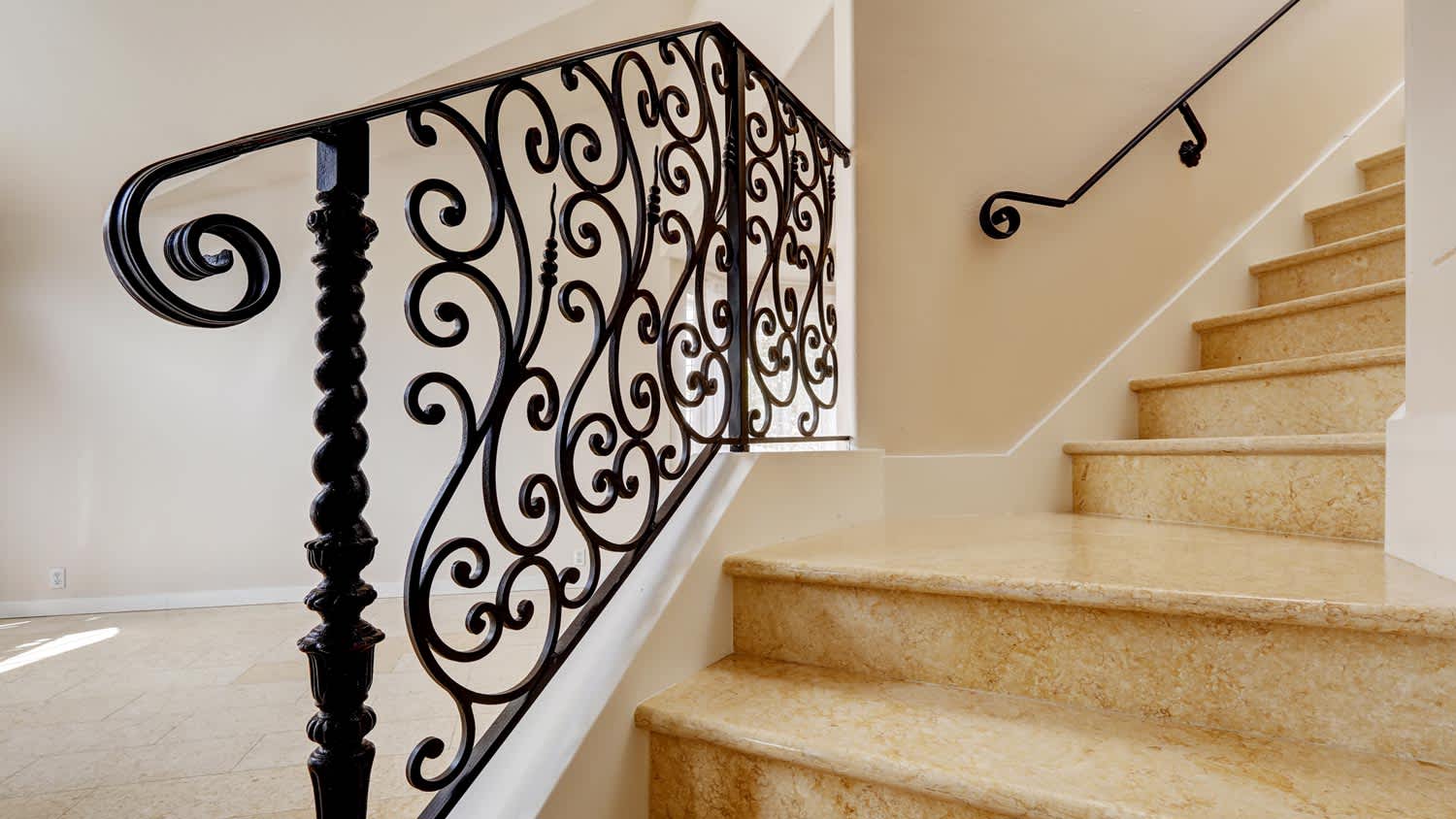
Get expert insights on wrought iron railing repair cost, including average prices, key cost factors, and tips to save on your next project.
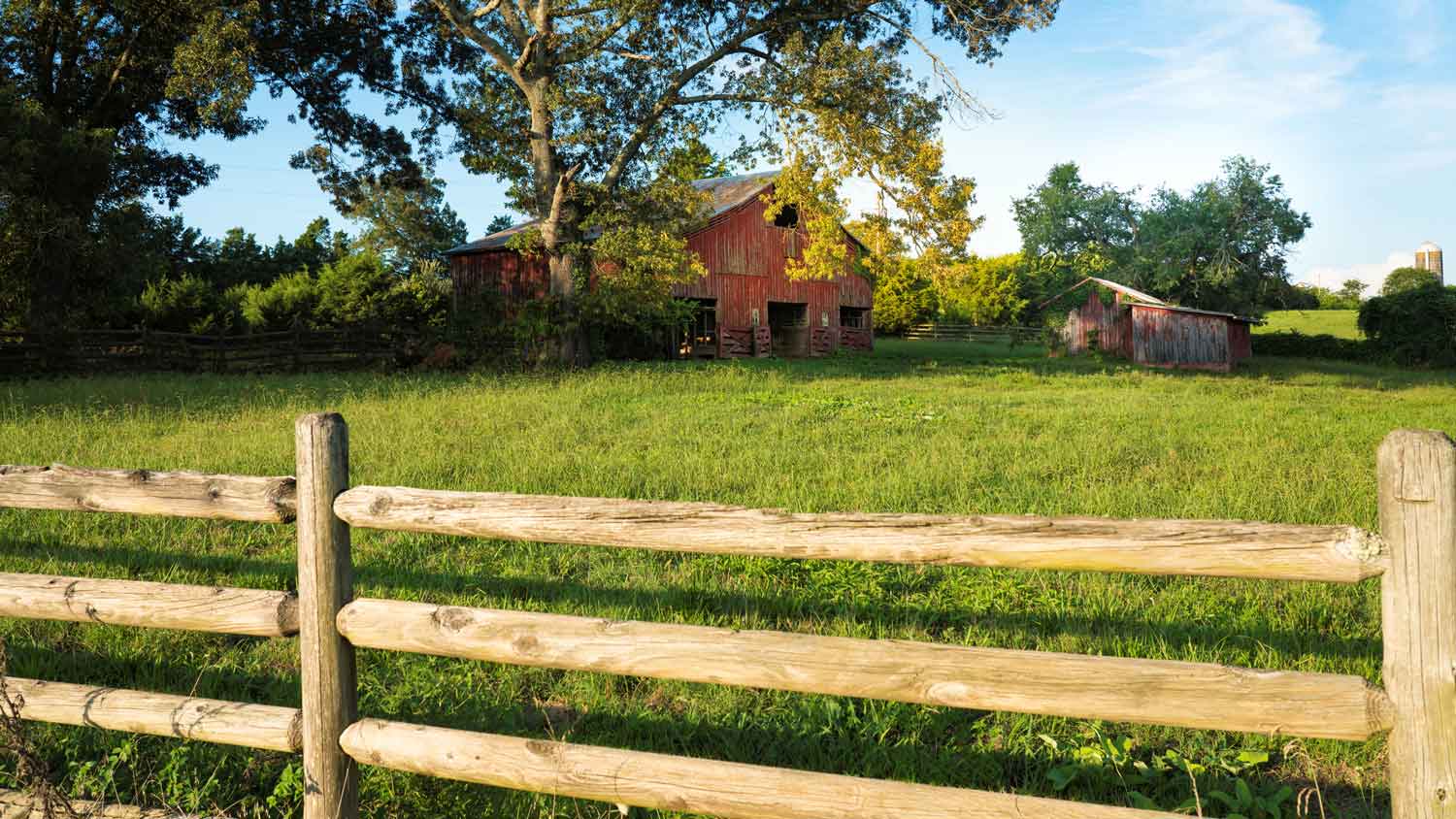
Learn how to install a split rail fence by checking out this easy-to-understand guide. It’ll only take five steps, a bit of sweat, and some elbow grease.
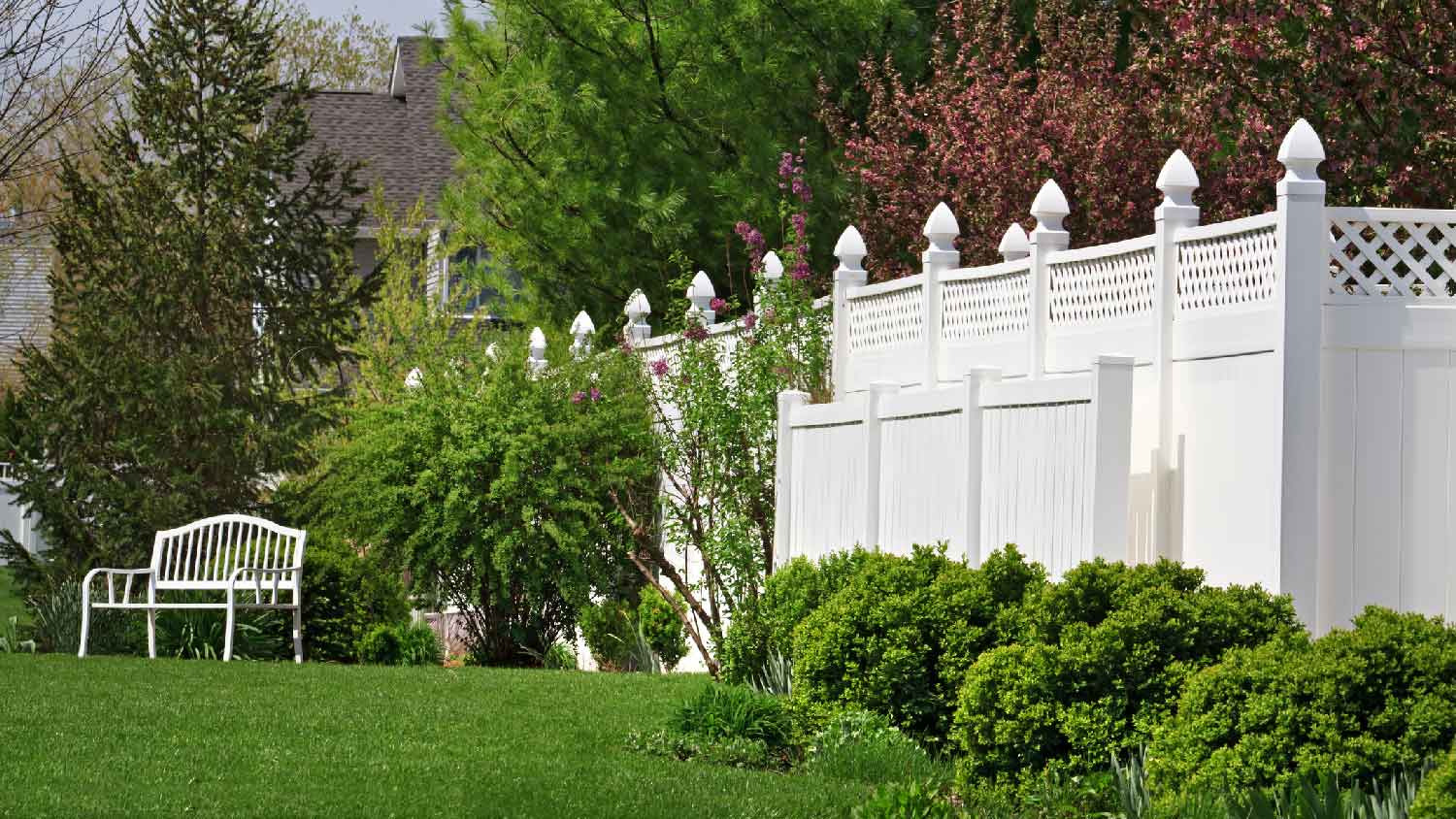
Choosing a vinyl, PVC, or plastic fence offers benefits over wooden fencing, like improved durability. Learn about the many types of vinyl fencing available.
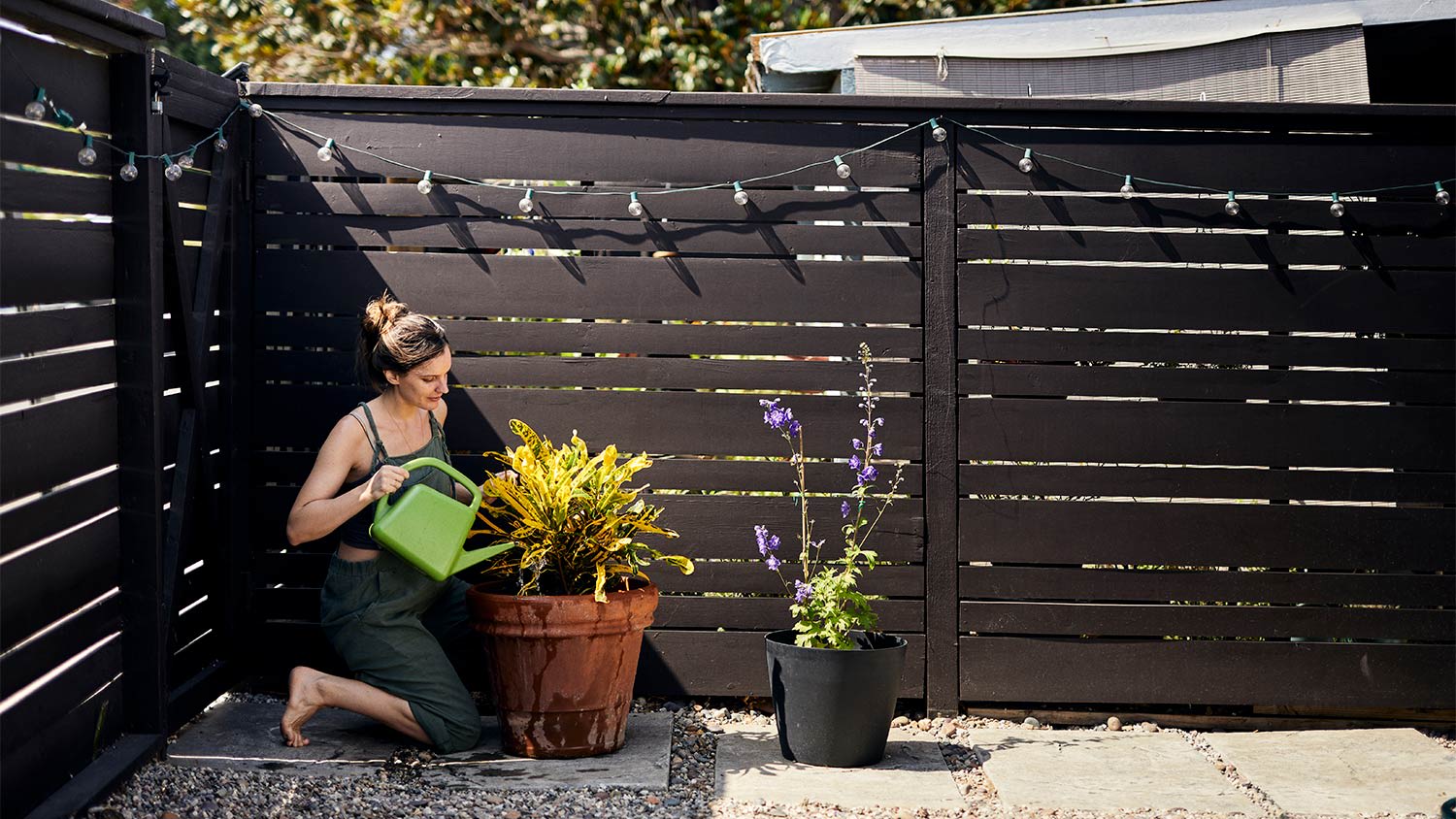
Are you a classic picket fence family or looking for a bit more privacy? From style to material, this guide helps you choose the best type of wood fencing for your home.