

What's keeping your home warm? Learn the differences between cellulose vs. vermiculite insulation and why it matters.
Good nutrition is not just for humans

Perlite versus vermiculite matters because perlite drains water quickly for dry-loving plants, while vermiculite retains moisture for water-loving plants like ferns.
Perlite floats to your pot's surface and washes away more easily, while vermiculite distributes evenly and stays put for more permanent soil improvement.
Your plant's water needs determine the better choice: cacti and succulents thrive with perlite's drainage, while moisture-loving herbs benefit from vermiculite's water retention.
Hiring a local gardening professional helps you create custom soil mixes and choose the right amendments for your specific plants and growing conditions.
Kick your green thumb up a notch and incorporate additives into soil to help your plants thrive. Vermiculite and perlite are both popular options, but even though they have similar properties, they have different uses. Certain plants prefer different soil amendments and could benefit more from one than the other. This guide will compare vermiculite vs. perlite and help you to choose the best option for your garden or houseplants.
Perlite and vermiculite both retain water, but each works differently for your plants. Perlite soaks up water and helps to improve drainage in a pot, while vermiculite acts like a sponge and helps soil to retain water. Perlite is best for plants that need to dry out between waterings, and vermiculite is best for plants that need constant moisture.
Perlite is a naturally occurring mineral found in volcanic glass that, in its natural state, has a pearl-like sheen. Like vermiculite, once treated, perlite is an amendment that is used to enhance soil quality, creating a rich environment to improve plant growth.
During the manufacturing process, perlite is heated until it expands and pops, turning into white porous pieces that are seen in many types of potting mixes. After the heating process, the perlite is larger and lighter than its original weight, ranging in size from coarse to medium to fine. Perlite does retain moisture and holds four times its volume in water, but it is less absorbent than vermiculite, which holds sixteen times its volume in water.
Perlite is better suited for plants that require a dry environment, like succulents, cacti, or orchids, as it dries out too quickly for water-loving plants. Similar to vermiculite, you can use perlite for starting seed mixes and creating custom potting soil mixes. Furthermore, you do not have to worry about introducing pathogens or pests to your soil because it is sterilized under high temperatures during manufacturing.
| Pros | Cons |
|---|---|
| Readily available | Nonrenewable resource |
| Nontoxic | Dust can be irritating |
| Neutral pH level | Tough to mix |
| Breaks up clay soil | Can be too porous |
Best for:
Orchids
Cacti
Succulents
Inexpensive and readily available
Does not rot or mold
Does not absorb or take away nutrients from the soil
Odorless, nontoxic, sterile
Neutral pH level (if unsure of your soil’s pH level, check out our Soil Testing Cost Guide to learn more)
Can be used on its own or mixed with other amendments to create a custom soil mix
Can loosen compact and heavy soil
Can loosen clay soil and prevent water from pooling on the surface of the pot
Can settle at the top of the pot and not distribute as evenly as vermiculite
Dust can be emitted, causing irritation
Nonrenewable resource
Porous, so it can capture solid debris or algae, causing blockage in certain plants
Vermiculite is a mineral that, once treated, can be used as a soil amendment or be added directly to garden beds to improve soil quality and help plants grow. In its natural state, vermiculite takes the form of glossy flakes, but once heated and sterilized, it expands to long brown or beige worm-like strands. There are different sizes of vermiculite, which is how different grades (from micro up to coarse) are created. After expanding, the vermiculite particles become spongy and porous, which improves soil aeration and increases its water retention capacity.
Gardeners use this type of amendment to generate healthy soil for their plants. Vermiculite lightens heavy soil, which creates a more desirable environment for plant roots. Its unique shape enhances the quality and structure of the soil by holding water, allowing the plant to tap into it as needed. Unlike more natural soil amendments, there is no risk of introducing pathogens or parasites to the plant because of the rigorous sterilization process that vermiculite goes through.
Vermiculite is best used for water-loving plants, such as ferns, spider plants, and even certain herbs, like basil or parsley. It is extremely absorbent, acting as a sponge by holding water for a plant’s roots to access. You can also use vermiculite for starting seeds or storing bulbs between seasons.
Note that the vermiculite used for potting plants does not contain asbestos and never has. In the past, vermiculite used to create insulation often came from a mine contaminated with asbestos, causing the confusion.
| Pros | Cons |
|---|---|
| Does not mold or rot | Can drown plants |
| Mixes easily | Can be hard to find |
| Helps roots grow | Nonrenewable |
| Keeps seeds moist | Can be pricey |
Best for:
Moisture-loving plants
Rooting plant cuttings
Starting seedlings
Storing bulbs over the winter
Mixes well with soil
Will not rot or mold
Extremely absorbent
Can be used individually or in a soil mixture
Versatile, attracting plant nutrients like potassium, magnesium, and calcium
Helps roots grow
Prevents seeds from drying out during germination
Lightens heavy soil
Can hold too much water for certain plants, potentially causing root rot due to excess water
Nonrenewable resource
More expensive than other soil amendments
Harder to find in garden centers and home improvement stores

Vermiculite and perlite both work to improve soil quality, but individually, they work better for specific scenarios. Keep in mind that both are sterile, odorless, and free from insects and parasites. Neither will rot or decompose.
It is important to note that vermiculite and perlite can be used to complement each other when creating a mix for potted plants. This can help certain plants grow by using perlite to aerate the soil and allow oxygen to reach the roots, and using vermiculite to keep the moisture in. The main difference is that vermiculite holds more water than perlite, but perlite is better for drainage. Here are some different factors to keep in mind when choosing a soil amendment for your plants.
Even though both vermiculite and perlite do not deteriorate or decompress, vermiculite is considered a more permanent option than perlite. Vermiculite evenly distributes throughout the soil, whereas perlite can float to the top. Plus, perlite risks being washed away due to its lightness and buoyancy when used on its own.
Perlite is more widely available, whereas vermiculite can be challenging to find in garden centers or home improvement stores. Perlite is also a cheaper option than vermiculite, in most cases.
As previously mentioned, moisture retention is one of the fundamental properties of vermiculite. The water-holding capacity is an ideal additive for plants that thrive in moist soil conditions. Let the vermiculite retain moisture to keep your water-loving plants thriving.
Perlite particles are full of nooks and crannies, which helps to aerate soil, breaking it up and improving the flow of air throughout. It is ideal for use with soil that compacts easily and with plants that need plenty of air flow.
Perlite is an ideal growing medium for plants that prefer dry conditions and require ample drainage. It acts as an aerator, helps the soil to shed excess water, and can improve drainage in both soil-less and soil-based potting mixes.
One of my old tall evergreen trees was suddenly leaning toward the busy street in front of my house. I submitted a request for an emergency tree inspection, and Alejandro, owner of Cajete Tree Service, contacted me immediately and arrived to look at it just 20 minutes later. We agreed the...
 Cajete Tree Service LLC
Terrible experience. Walls/trim/floors/cabinets/doors all have drip marks, overspray, etc. Tiling at the fireplace had to be redone by another vendor due to incorrect and shoddy install by Profect. Contractor had his children in our house while he was on site without prior authorization or...
 Profect painting & exteriors
Lyle did a great job removing asbestos shingles from our front porch roof. They worked together with our roofer to make sure that the new roof was able to be installed on the same day that Lyle removed the asbestos shingles.
 Lyle Environmental
Involved an extensive bathroom remodel, including removing tub & installing walk in shower, new drywall, custome tile work to ceiling, plumbing, etc. Overall, job was done on time and on budget. Nick & his team were very professional and had high attention to detail. Quality was great. Highly...
 Stamos Flooring and Remodeling LLC
A team of 2 spent 5 hours, cleaning top to bottom (removed all light fixture and cleaned.... impressive!!!)
 Luzia's Cleaning
Great Job!!! Martin called me after I requested a estimate on Home Advisor. He was very professional and actually went the same day and looked at the tree I needed removed gave us a estimate and I felt it was very aggressive so I did not even call for any other bids. I asked him how soon he...
 Reyes Tree Service LLC - Home Facebook
Mike and his crew did a great job working through a very challenging task. The job required a full demolition of our ceiling, removing the blown in insulation and removing all the material from the site daily. It involved multiple inspections from the city and many challenges to get the...
 Rising Height Unlimited
Removed various items (furniture, lamps, other junk) from my home. They were on time, personable, professional, etc. I can't say enough positive things about this company. <br />
The task proved more difficult than anticipated. When they arrived the first day, they had no tools with them at all, and had to make a run to purchase appropriate tools. It was quickly determined that the paper had to be steamed off, and neither the workers, nor the company itself, had...
 ABS Interiors of Mid-Ohio LLC
We needed them to do extra work to remove existing wallpaper, and provide full primer and painting/trim work around existing furniture etc, during a move-in period. They did everything top-notch with minimal mess. They were always extremely on time, and very professional. They also cleaned...
From average costs to expert advice, get all the answers you need to get your job done.
What's keeping your home warm? Learn the differences between cellulose vs. vermiculite insulation and why it matters.
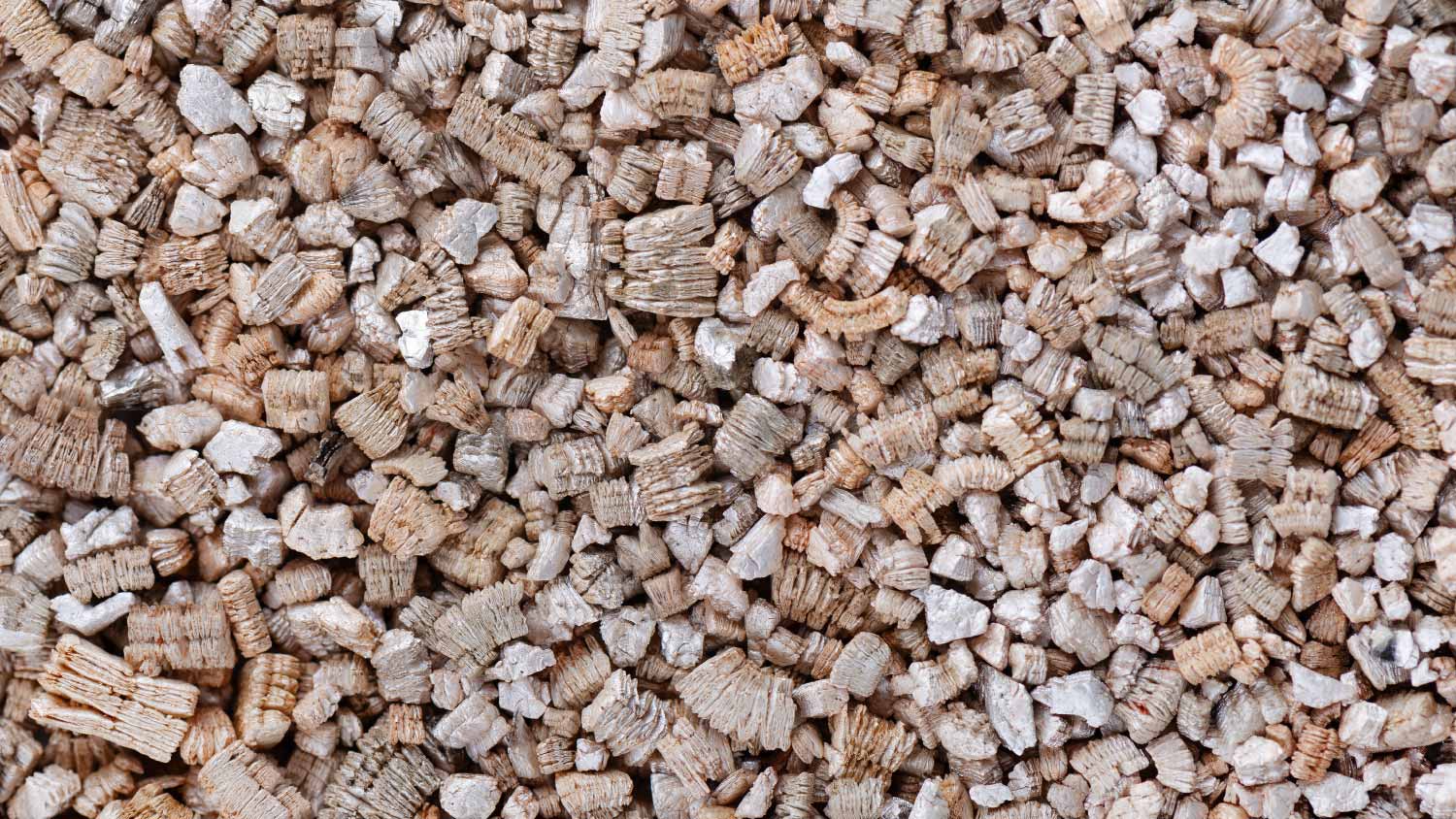
What is vermiculite insulation? It is a natural mineral used previously as pour-in attic insulation that needs careful handling because it may contain asbestos.
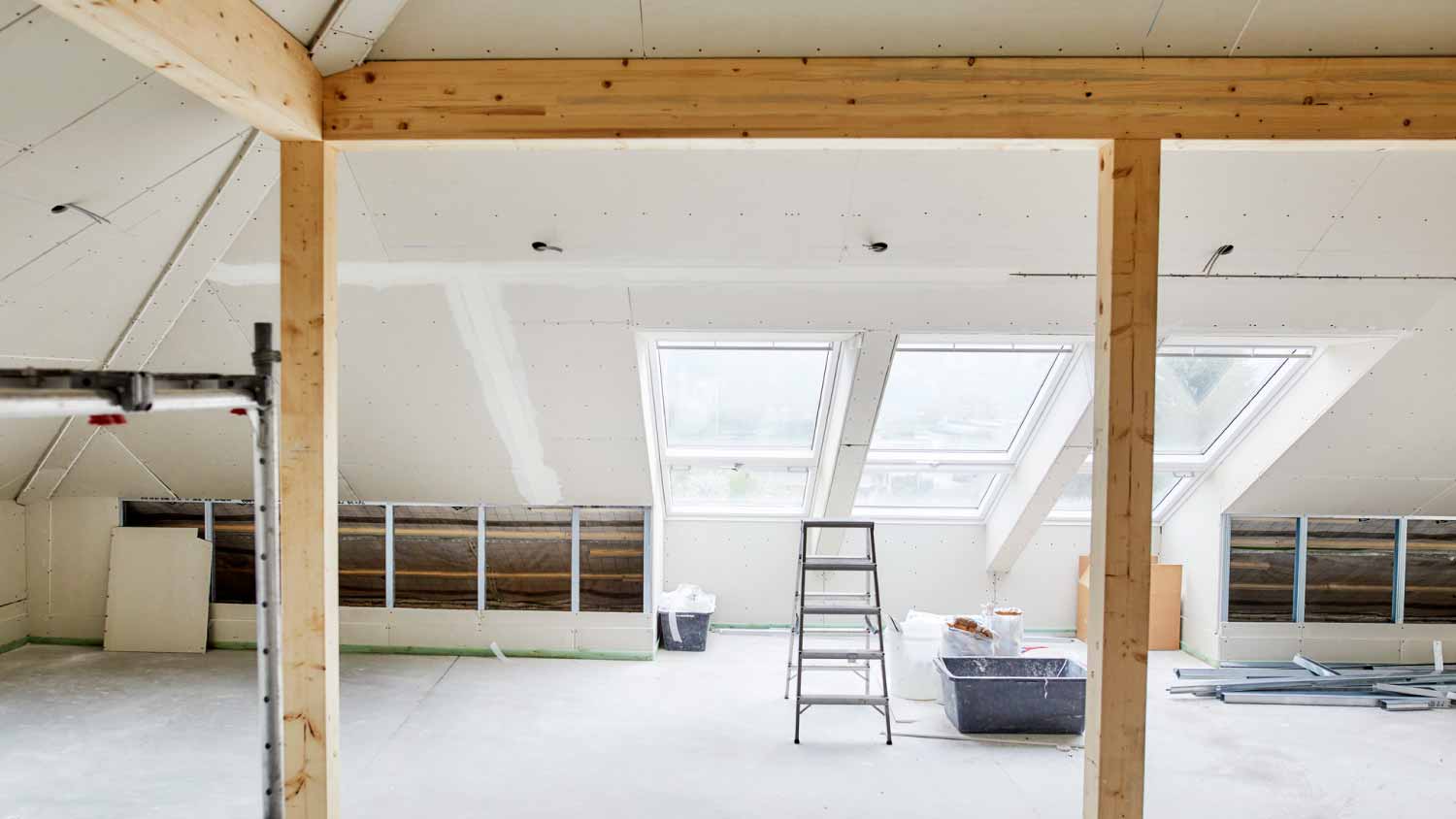
If you suspect there is vermiculite insulation in your home, you likely want it gone. Learn how to remove vermiculite insulation safely and quickly.
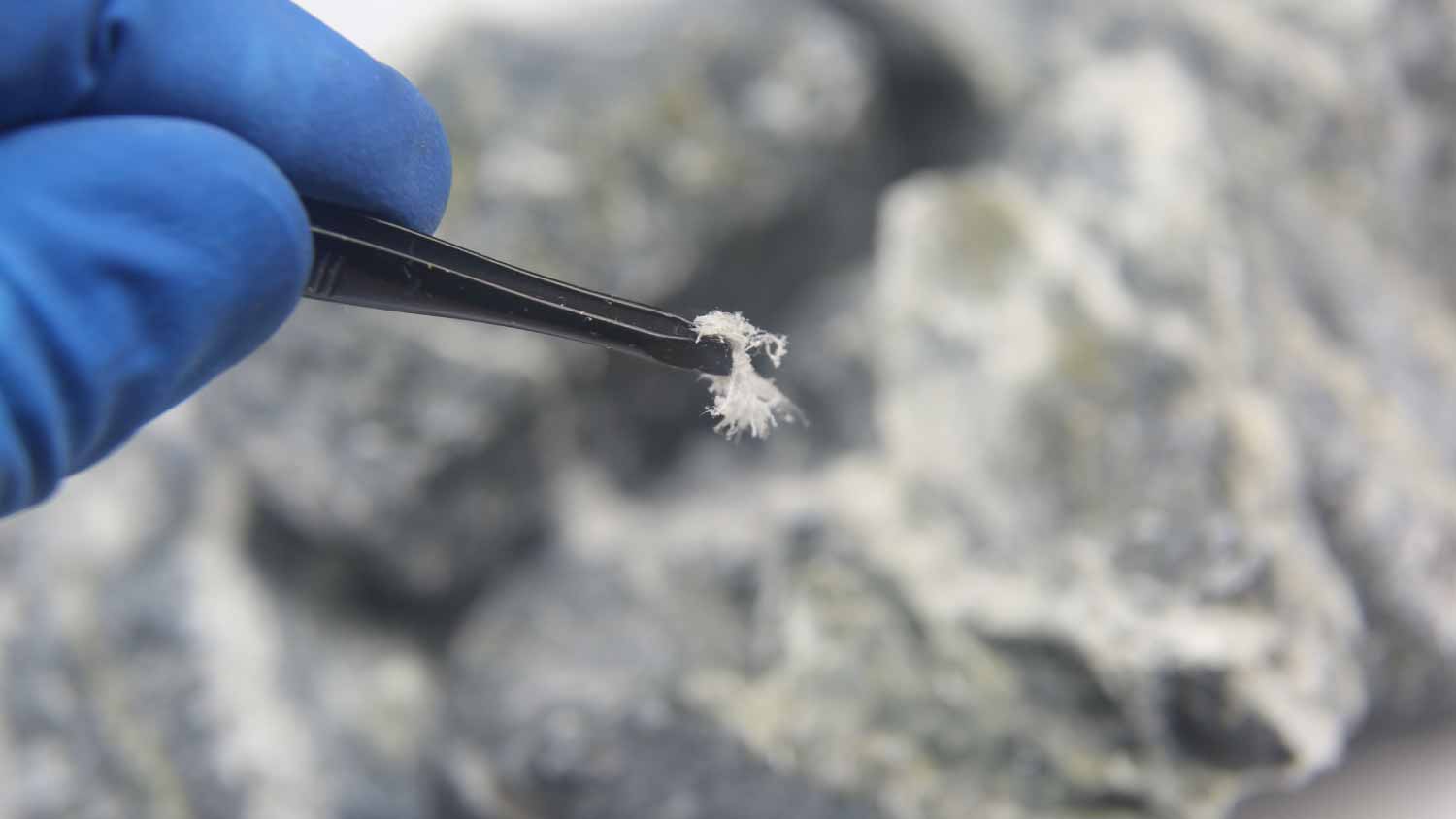
Asbestos-containing insulation is banned or restricted in many countries, but it's still found in some homes. Use this guide to identify if you have the hazardous material in your home.

Discover the nuances between white light vs. yellow light for your home. From color rendering to sleep-friendly vibes, find the perfect glow for your needs.
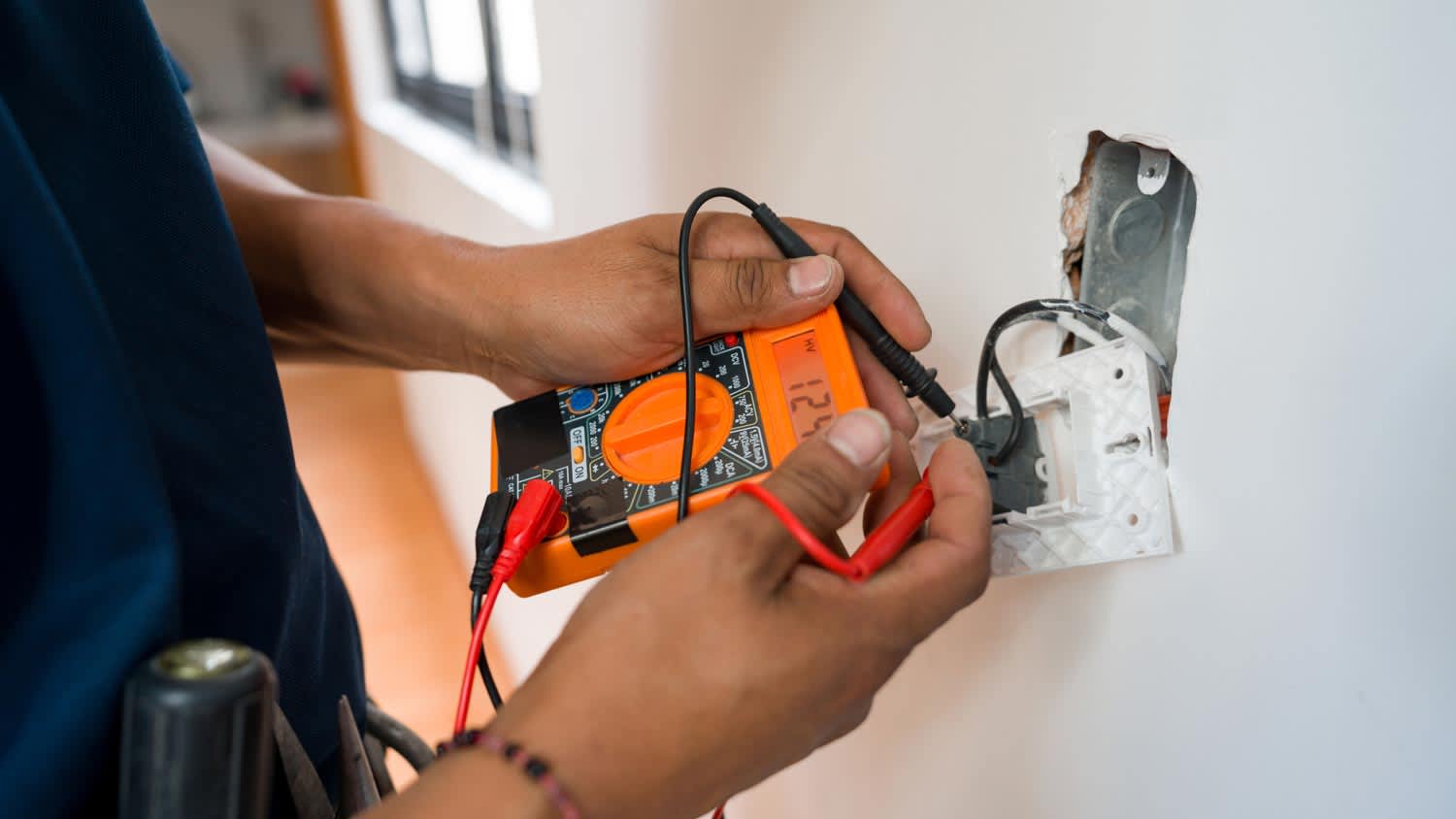
Voltmeters and multimeters have similar functions, but also key differences that impact which one is right for you.