
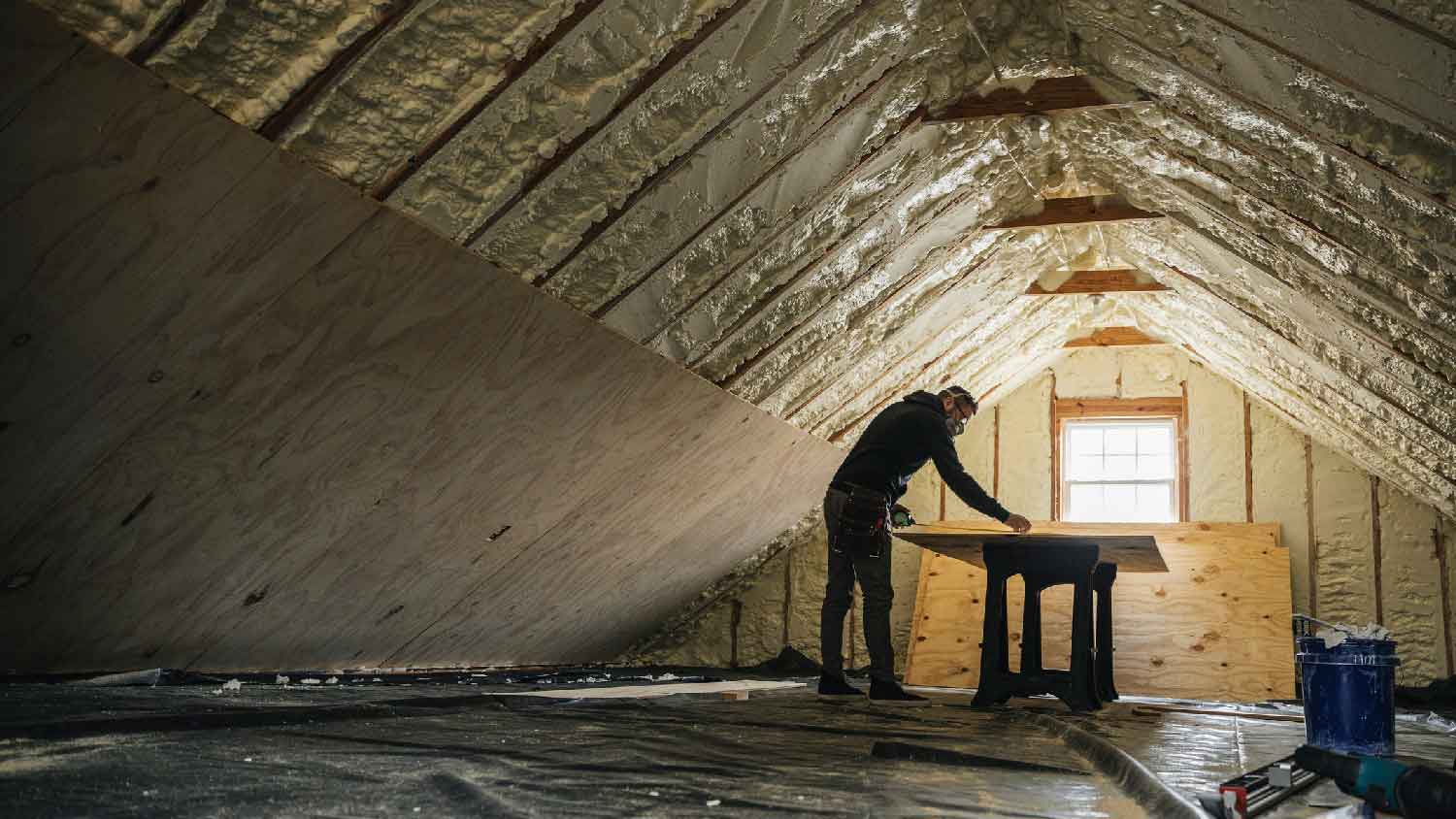
Your attic insulation removal cost will vary based on multiple factors, including why you're removing it and how easy it is to complete the task.
At the end of the day, you’re better off hiring an expert for this job

If you've discovered vermiculite insulation in your home, you may be wondering about the best approach to deal with it. Asbestos contamination is a significant concern when it comes to vermiculite insulation, and proper removal is essential for the safety of you and your family. It’s always best to seek professional assistance with any home project that involves asbestos, but you can DIY vermiculite insulation removal if that’s your only option. Let’s explore how to remove vermiculite insulation safely.
Vermiculite insulation is a type of loose-fill insulation material made from vermiculite (which is a mineral found in nature). Insulation is a material used to reduce the transfer of heat, sound, or electricity, enhancing energy efficiency and comfort in buildings or other structures.
When heated, vermiculite expands significantly. The result is lightweight, absorbent granules with excellent insulating properties. From the 1920s to the 1990s, this material was popular in attics, walls, and other areas of buildings due to its affordability, fire resistance, and ease of application.
A large amount of the vermiculite found in older homes was originally sourced from a mine in Libby, Montana. This mine was contaminated with asbestos—which is a major health hazard when disturbed or airborne. As a result, older vermiculite insulation may pose a risk if disturbed during renovations or repairs, making professional handling essential.
Today, other insulation options are recommended for new construction, but vermiculite remains a recognized material in applications where its fire resistance and thermal properties can be safely used without concerns about asbestos exposure.
Vermiculite has small, pebble-like granules that range in color from light brown to dark gray, with some golden or silver tones. The granules have a layered, accordion-like structure. Due to the mineral’s natural reflective properties, the insulation has a flaky, slightly shiny look.
When poured or spread, vermiculite insulation forms an even layer of lightweight particles that loosely fill the spaces it’s placed in, such as attics or wall cavities. The particles are irregular in shape and size but often resemble small pieces of mica or shiny gravel.
Vermiculite insulation, commonly found in older homes, can pose significant health risks due to potential asbestos contamination. If you've discovered vermiculite insulation in your home, it's crucial to handle its removal with utmost care. Before you begin this project, you need to take the proper safety precautions (although it’s preferable to hire a professional to deal with the dangers of asbestos).
To start, make sure you have all of the appropriate personal protective equipment (PPE) you need to minimize exposure to asbestos fibers. This includes disposable coveralls, gloves, goggles, and a respirator mask. Then, you need to isolate the work area by sealing off doors, windows, vents, and ducts using plastic sheeting and duct tape. This containment will prevent the spread of asbestos fibers to other parts of the house.
Don’t forget to inform all household members about the vermiculite removal process and establish clear guidelines to ensure their safety. You should restrict who has access to the work area and keep children, pets, and vulnerable individuals away during the removal process.
If your vermiculite insulation is intact and not at risk of being disturbed, you don’t have to remove it immediately. However, you should remove it if you confirm it has asbestos or if it’s damaged, disturbed, or deteriorating.
Exposure to asbestos can lead to serious health risks such as lung cancer, mesothelioma, and asbestosis. If you are planning renovations or repairs in areas containing vermiculite insulation, it's important to assess whether the material will be disrupted during work.
Should you remove old insulation before adding new insulation? In many cases—yes. An asbestos abatement professional can help you come up with a plan. Speaking of professional help, you should always have a professional conduct asbestos testing (this is not a safe DIY to attempt) to determine if removal is essential for health and safety.

Leave asbestos removal to the professionals. Long periods of exposure to a high volume of disturbed asbestos can have harmful effects on your health, including serious diseases like asbestosis, mesothelioma, and lung cancer.


It is crucial to prevent the spread of asbestos fibers during the removal process. Start by turning off all heating, ventilation, and air conditioning (HVAC) systems in the area where the vermiculite insulation will be removed. This includes shutting down the furnace, air conditioner, and any other related equipment.
Asbestos fibers can easily travel through air ducts and vents, potentially contaminating other parts of the house. To prevent this, seal off all vents and openings connected to the HVAC system. You can use plastic sheeting and secure it tightly with tape. This step will help contain any loose fibers and minimize their dispersal.
You also want to cover all of the air duct and vent covers with additional plastic sheeting and tape. This added layer of protection will further minimize the risk of asbestos fibers being circulated throughout the house. Ensure that the plastic sheeting is well-sealed around the covers to create an effective barrier.
You can achieve a negative pressure environment within the containment area by using exhaust fans or air scrubbers equipped with HEPA filters. These devices work together to create a controlled airflow that directs any potential asbestos fibers toward the filtration system, capturing and removing them from the air.
By setting up exhaust fans or air scrubbers equipped with HEPA filters, the negative pressure created will help contain and capture any fibers that may be released during the removal process. The exhaust fan should be positioned to expel the air directly outside, away from inhabited areas. Meanwhile, the air scrubber, equipped with a HEPA filter, will continuously filter and purify the air within the containment area, reducing the concentration of any airborne asbestos fibers.
Regular monitoring of the negative pressure environment is essential to ensure its effectiveness throughout the removal process. This can be done using specialized equipment, such as a manometer or smoke pencil, to measure and verify the airflow direction and pressure differentials.
To help minimize how much you disturb the asbestos in the vermiculite, thoroughly saturate the vermiculite insulation with water using a spray bottle. Be careful when handling the vermiculite insulation, you want to avoid breaking or crushing the insulation, as this can release asbestos fibers. Instead, gently lift or scoop the material using appropriate tools.

Begin removing the vermiculite insulation from the outer edges of the area and work your way towards the center. This approach helps contain any potential fiber release and prevents cross-contamination. Next, you will place the wet vermiculite insulation directly into sealed, leak-proof bags. Double-bagging with heavy-duty plastic bags is recommended to ensure containment. You may need to repeat this process many times, as it is best to remove the vermiculite insulation in small sections.
Thoroughly clean the work area after each removal session. Use damp, disposable cloths or a HEPA vacuum cleaner to remove any loose insulation or dust particles carefully. You should clean as you go and ensure that each section is properly contained, and the area is cleaned before moving on to the next.
Proper disposal of vermiculite insulation is crucial to prevent any potential contamination. Once you fill a bag and seal it, it’s important to label it with the words "Asbestos-Containing Waste" and seal it tightly. Do some research and make sure that you follow any local regulations for proper labeling and disposal requirements.
You can also choose to contact a licensed asbestos disposal contractor, or a hazardous waste collection facility, to arrange for the safe and legal disposal of any sealed bags containing vermiculite insulation. These professionals are equipped to handle asbestos-containing materials and will ensure proper disposal in accordance with local regulations.

You may be wondering, how do I clean my house after asbestos exposure? After removing all vermiculite insulation, thoroughly clean the entire work area, including floors, walls, and any surfaces that may have come in contact with asbestos fibers. Use a HEPA vacuum and damp cleaning method to ensure effective cleanup, and minimize the risk of lingering contamination.
Typically, we recommend comparing the costs of hiring a professional for home improvement projects to the cost of doing it yourself. While the costs of buying tools and supplies to remove vermiculite insulation (in the $100 to $500 range) is less than hiring a professional, it’s always better to let a professional handle a risky project like this. Not sure who to call for asbestos removal? You can hire a professional asbestos removal company near you.
On average, asbestos removal services cost $1,192 to $3,240. This is a major expense, but removing asbestos from your home can be very damaging to your health if you don’t take proper safety precautions. Additionally, you need to dispose of all the tools you used in the project, which means you aren’t saving as much as you think by going the DIY route.
To help save on asbestos removal costs, it’s always a good idea to shop around to see which professional in your area can offer you the best price. Just make sure you ask for references or get a referral to ensure you find the right fit.
One of my old tall evergreen trees was suddenly leaning toward the busy street in front of my house. I submitted a request for an emergency tree inspection, and Alejandro, owner of Cajete Tree Service, contacted me immediately and arrived to look at it just 20 minutes later. We agreed the...
 Cajete Tree Service LLC
Terrible experience. Walls/trim/floors/cabinets/doors all have drip marks, overspray, etc. Tiling at the fireplace had to be redone by another vendor due to incorrect and shoddy install by Profect. Contractor had his children in our house while he was on site without prior authorization or...
 Profect painting & exteriors
Lyle did a great job removing asbestos shingles from our front porch roof. They worked together with our roofer to make sure that the new roof was able to be installed on the same day that Lyle removed the asbestos shingles.
 Lyle Environmental
Involved an extensive bathroom remodel, including removing tub & installing walk in shower, new drywall, custome tile work to ceiling, plumbing, etc. Overall, job was done on time and on budget. Nick & his team were very professional and had high attention to detail. Quality was great. Highly...
 Stamos Flooring and Remodeling LLC
A team of 2 spent 5 hours, cleaning top to bottom (removed all light fixture and cleaned.... impressive!!!)
 Luzia's Cleaning
Great Job!!! Martin called me after I requested a estimate on Home Advisor. He was very professional and actually went the same day and looked at the tree I needed removed gave us a estimate and I felt it was very aggressive so I did not even call for any other bids. I asked him how soon he...
 Reyes Tree Service LLC - Home Facebook
Mike and his crew did a great job working through a very challenging task. The job required a full demolition of our ceiling, removing the blown in insulation and removing all the material from the site daily. It involved multiple inspections from the city and many challenges to get the...
 Rising Height Unlimited
Removed various items (furniture, lamps, other junk) from my home. They were on time, personable, professional, etc. I can't say enough positive things about this company. <br />
The task proved more difficult than anticipated. When they arrived the first day, they had no tools with them at all, and had to make a run to purchase appropriate tools. It was quickly determined that the paper had to be steamed off, and neither the workers, nor the company itself, had...
 ABS Interiors of Mid-Ohio LLC
We needed them to do extra work to remove existing wallpaper, and provide full primer and painting/trim work around existing furniture etc, during a move-in period. They did everything top-notch with minimal mess. They were always extremely on time, and very professional. They also cleaned...
From average costs to expert advice, get all the answers you need to get your job done.
Your attic insulation removal cost will vary based on multiple factors, including why you're removing it and how easy it is to complete the task.
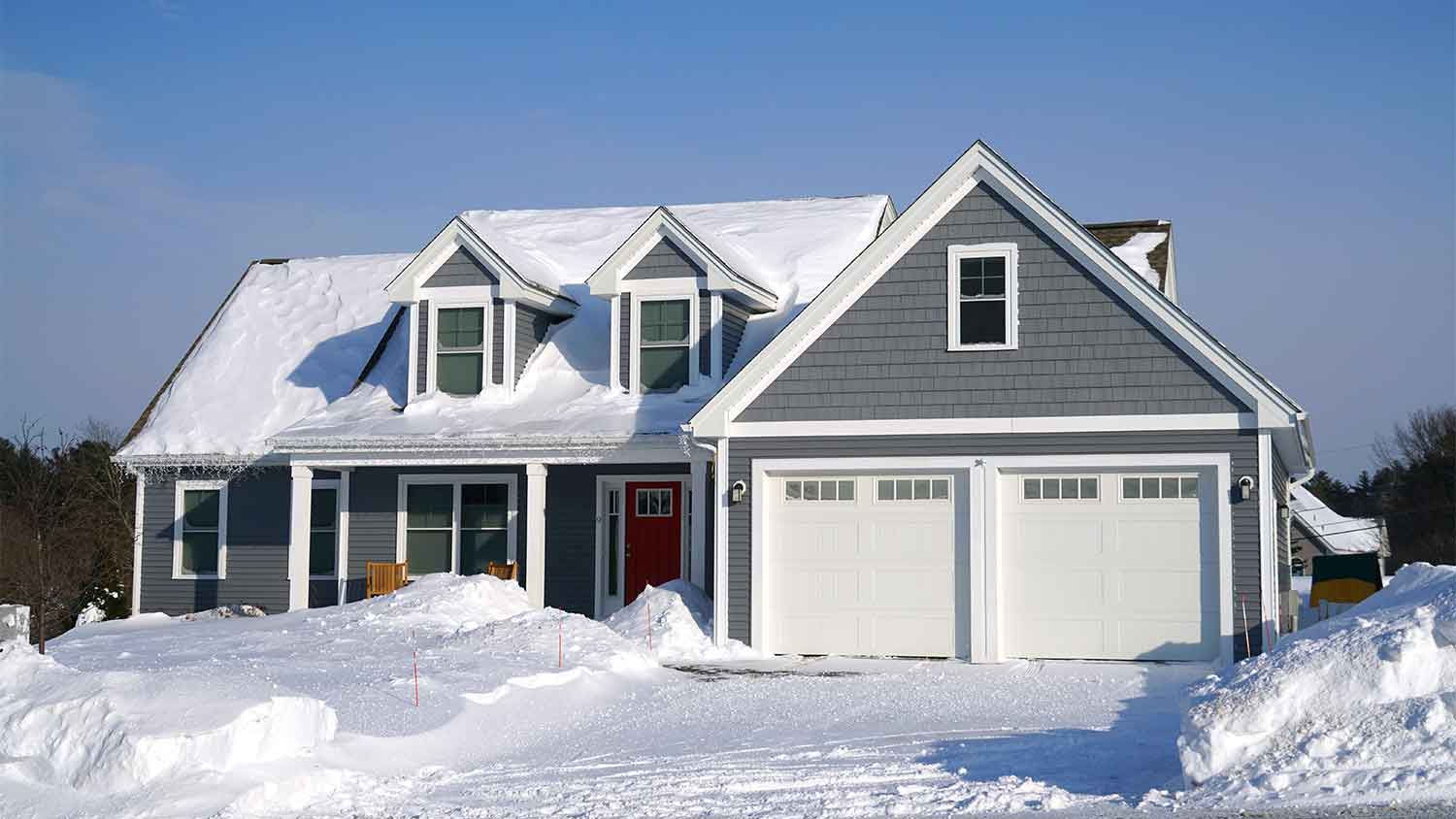
If you live in a climate that experiences harsh winters and summers, you should consider an insulated garage door. Learn what impacts the costs and how it can help save you money over time.
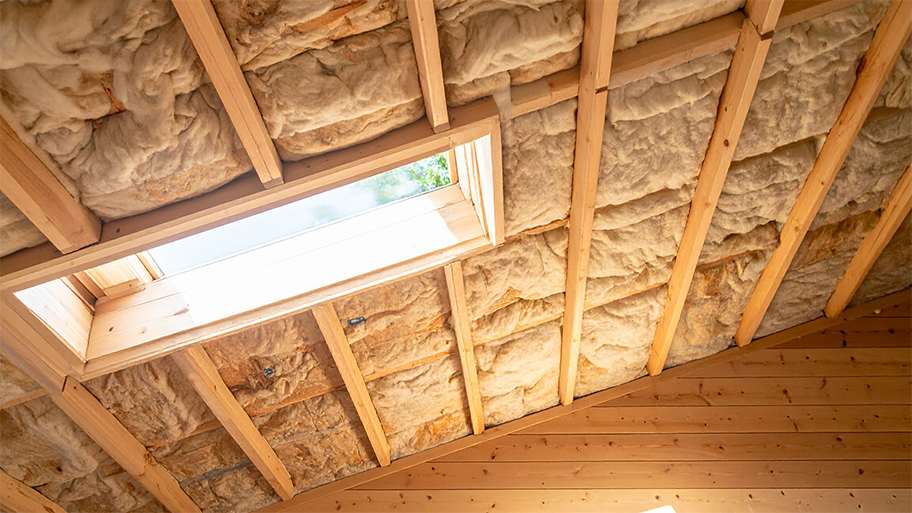
Insulating your attic can massively improve your home’s efficiency and reduce electric bills. Use this guide to find out what attic insulation will cost you.
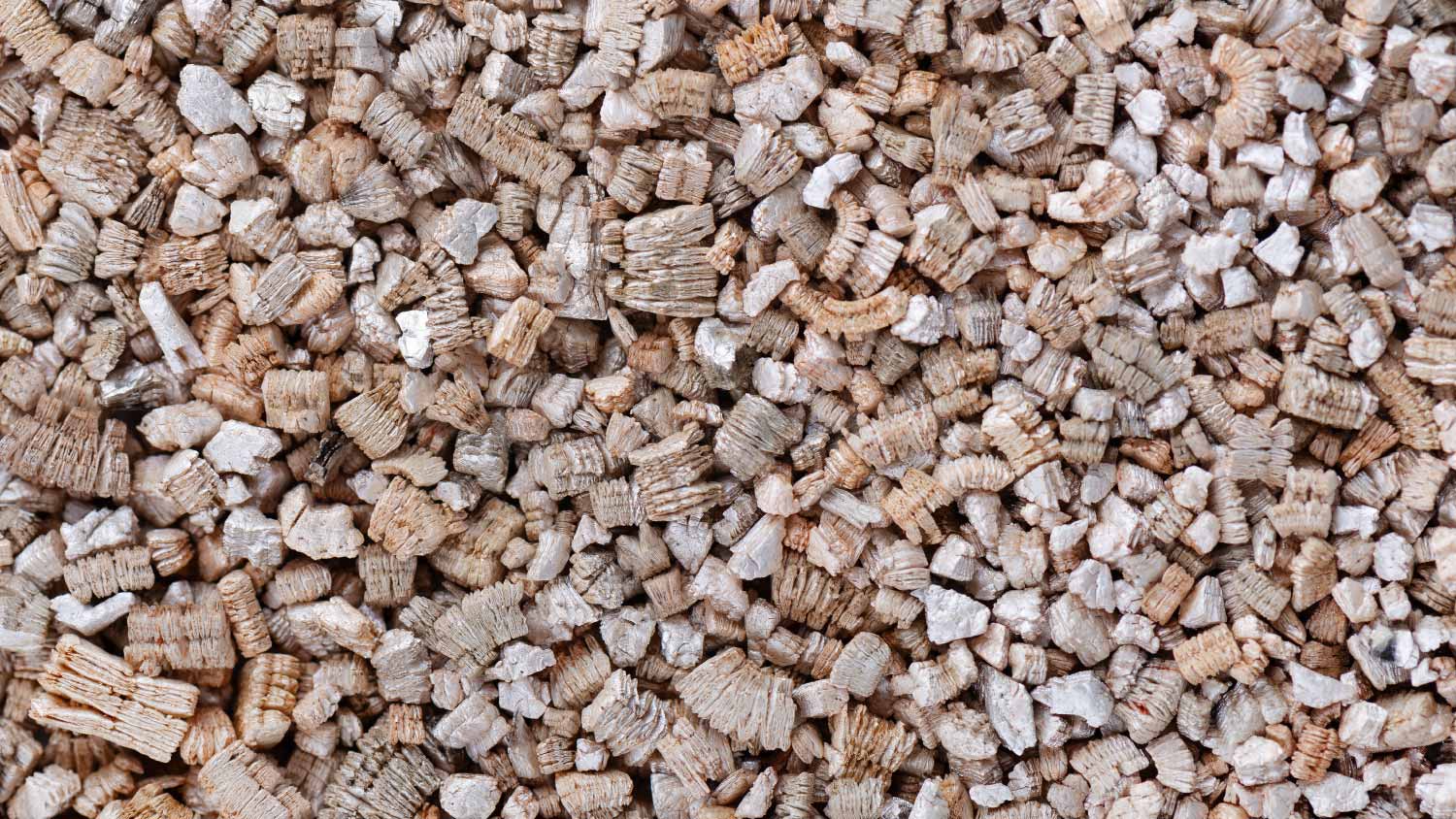
What is vermiculite insulation? It is a natural mineral used previously as pour-in attic insulation that needs careful handling because it may contain asbestos.
What's keeping your home warm? Learn the differences between cellulose vs. vermiculite insulation and why it matters.

It may keep your home warm and toasty, but is insulation dangerous? Learn four potential insulation health hazards, and how to prevent them from occurring.