
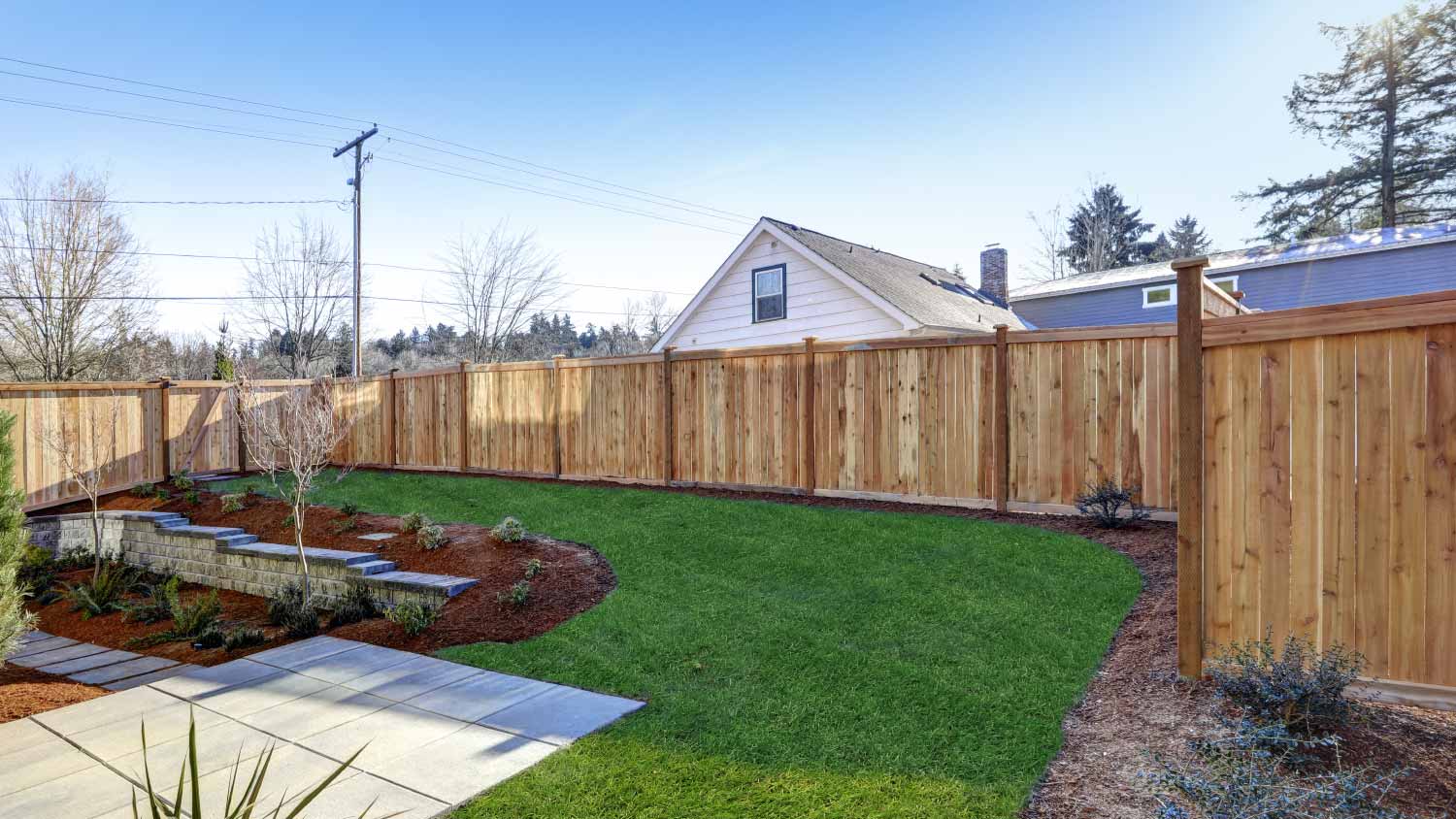
If you’re interested in soundproof fencing, you’re in the right place. Read on to learn how to bring more peace and privacy to your property.
A fence without gaps makes your yard a peaceful hangout

Stockade fence panels feature pickets installed side by side with no gaps, giving your yard complete privacy and a classic look that works well for most homes.
Expect to pay $12 to $13 per linear foot for materials and $30 to $80 per hour for professional installation, with labor totaling $600 to $2,800 for most projects.
Installing individual pickets one by one keeps your fence level along sloped ground and prevents gaps at the bottom that defeat the privacy you want.
Hiring a local fence repair professional provides reliable help with picket replacement and post repairs, keeping your stockade fence looking great for years to come.
If you’re looking for a fence to create a comforting sense of privacy while enjoying a mean game of croquet, stockade fences are probably right for you. What is a stockade fence? Stockade fences get their name from historical, military fences that offered protection—even as far back as Roman times. Today, they provide a practical solution for anyone who wants to enjoy their yard with total peace of mind and without sacrificing aesthetics.

Stockade fence pickets are installed right next to one another with no gaps. The pickets can have pointed or rounded tops, with the former deterring would-be intruders. The posts are set in dry-packed concrete, creating a long-lasting fence.
They’re often made of cedar and cypress, as these types of wood fencing have natural bug-repellent properties. Other common wood choices are spruce, pine, and redwood. You can opt for pressure-treated wood, which manufacturers chemically treat with pesticides.
These fences have a classic look, and you can customize them to your needs by staining or painting them.
| Pros | Cons |
|---|---|
| High-level privacy | Must regularly repaint or restain |
| Good for stain or paint | Limited longevity |
| Easily repairable | Needs frequent repair |
| Reasonable pricing | One side is not eye-pleasing |
| Cuts down on wind and noise | Gaps form over time |
| Effective for dogs | Prone to insect damage and rot |
As with any fencing option, stockade fences come with their own benefits and drawbacks. Let’s take a look.
The primary advantage of stockade fences is that they provide additional privacy over other options, like chain link or picket fences. Although you can learn how to make a chain link fence private or how to make a fence taller for added privacy, building the stockade fence to your desired height for privacy from the start is the more straightforward process.
If you have a chain link or picket fence with a dog, your pup can see much of what’s happening in the neighborhood, which may encourage barking. A stockade fence blocks the dog’s view. It also cuts down on noise and wind, which can be good for people with nervous dogs.
Stockade fences look quite nice when you take the time to maintain them, especially compared to chain link fences. You can stain or paint them, giving them a fresh look. They’re also easy to repair when they suffer damage—you can simply replace a picket or two.
The wood fence cost per linear foot for a stockade fence is less than what you pay for fences made of other materials, such as vinyl or an ornamental fence.
If you live in a town or HOA with specific fencing rules, a stockade fence is often acceptable. You still may need a permit to build a stockade fence, but this style of wood fence should meet your local requirements.
There are a few stockade fence drawbacks to consider. One thing to keep in mind is that, like most wood fences, you need to stain or paint them regularly to maintain the appearance of the wood. Staining or painting a fence costs $3.50 to $7.50 per linear foot.
Over time, the picket parts of a wood fence will likely start to shrink. Even though this shrinkage may only represent a fraction of an inch, it’s often enough to create gaps between pickets. Such gaps make the fence less effective for privacy and noise reduction.
Pickets can also splinter or break, forcing you to do additional maintenance beyond painting and staining. Using some of the most durable and best wood for fences—like pressure-treated pine, redwood, cypress, or cedar—is a good way to enhance longevity and reduce maintenance.
Another disadvantage of stockade fences, compared to other fence types, is that they don’t last as long. But, how long does a wood fence last? Stockade fences last about 10 to 20 years, while vinyl or chain-link fences can last 40 to 50 years.
Even with regular maintenance and high-quality wood, the wood posts in the stockade fence are susceptible to rot or insect damage. This can leave the fence with an unsightly lean that may require you to hire a local fence repair pro.
Perhaps the biggest complaint that people have regarding the design of stockade fences is that there’s always an “ugly” side of the fence. One side has all the support posts and rails visible, while the other side has only pickets visible, which is more desirable. You can decide whether you want to look at the unappealing side facing your backyard or whether you want it to face your neighbors, but this unsightly side is a reality of this fence design.

You can select from several styles of stockade fence pickets, depending on the design you want at the top of the fence boards. These styles range from simple shapes to more complex combinations among adjacent pickets to create specific looks.
Dog ear: Dog ear pickets are a telltale sign of a stockade fence, featuring corners cut at a shallow 45-degree angle with a flat top.
Diamond top: The diamond top, or picket, design involves cutting the corners at the top of the board to create a point. If you flipped the board upside down, the point would resemble a letter V. This is another popular choice. Some diamond-top designed boards have a narrow, rounded, or flat top instead of a point, similar to the tip of a new crayon.
Flat-top: A flat-top picket has no cuts, creating 90-degree corners at the top of the board. Some people will place a lattice or another decorative element over the length of the flat-top pickets, which is a popular addition.
Rounded: A rounded picket’s cut will yield a curved top. If you turned it upside down, the curve would resemble the letter U.
Gothic: The Gothic picket design has a detailed shape at the top of the board, like an arrowhead or a spade symbol from a deck of cards, with notches underneath the triangular shape at the top.
Scalloped: In a scalloped stockade fence design, curved cuts at the top of the board occur over a series of adjacent boards, across all the boards between the support posts. This fence segment resembles a bowl after the cuts are made, with the lowest point in the middle of the series of boards and the high points on either end.
Arched: The arched design is the opposite of the scalloped design, where the curve in the series of boards is highest in the middle and lowest on either end. The series resembles an upside-down bowl.
Random: A typical random design will use flat-top boards of varying heights as the pickets in the stockade fence. There should be no discernible pattern for the heights. Some people even use boards of varying widths to enhance the randomness of the look.
When researching options for installing stockade fencing, you’ll likely come across stockade panels, especially if you’re thinking of going the DIY route. Stockade panels are pre-made sections of fencing that you can install—whereas traditionally, a professional fence installer would install one picket at a time.
The advantage of panels is that they’re less costly than buying individual pickets. However, panels can be harder to lug onto the work site since they’re heavier. And unless your property is perfectly level, panels aren’t a great choice.
Installing panels can leave gaps at the bottom of the fence and the ground, defeating the purpose of choosing stockade fencing. Rather, the best option is to install each picket one by one, allowing the installer the freedom to place each picket perfectly along the natural angle of the ground.
A reliable team for moves across state. My switch to a new place needed careful lifting through tight hallways. The movers checked the doorway first, then carried heavier pieces with slow, controlled movements. Their patience helped prevent damage, and I?d choose them again.
We have used Window Warriors many times with no issues. They arrived on time and were very professional . We have pets and Window Warrior team treated them very well, well trusted team.
 Window Warrior of Columbus, Inc.
We have bought and sold numerous times over the past 50 years. Sherman Hall and Top Line are top notch. Thorough and detailed, he explains every possibility, probability, and eventuality. High class and pleasant. The best.
 Top Line Home Inspections, LLC
Our homes curb appeal skyrocketed thanks to Custom Paint Jobs LLC s exterior painting.
 Custom Paint Jobs, LLC
Window Depot did an amazing job on my deck. I wasnt sure what I wanted to do, but their composite decking was affordable and will last a long time. I am excited to have family over, and I am no longer embarrassed by my backyard. Jeff and the ground crew were polite, respectful, and caring for...
 Window Depot USA of Central Ohio
Storms Mobile Welding was great to work with. They were prompt, professional and did an overall excellent job on the project. I highly recommend.
Great job...edging and pre clean up went well with a great job with seal coat. Friendly, efficient and professional.
 All Star Paving and Sealing
Did an amazing job transforming my yard. Also installed sod in places, would recommend to everyone.
 Cardinal Landscaping & Construction LLC
We hired Andrew and the team from Midwest Lightscapes for a custom lighting design and installation on a Victorian Village home. The house had outdated low-voltage halogen outdoor lights and many of them were not working. Andrew designed and installed a new system including uplighting on the...
 Midwest Lightscapes
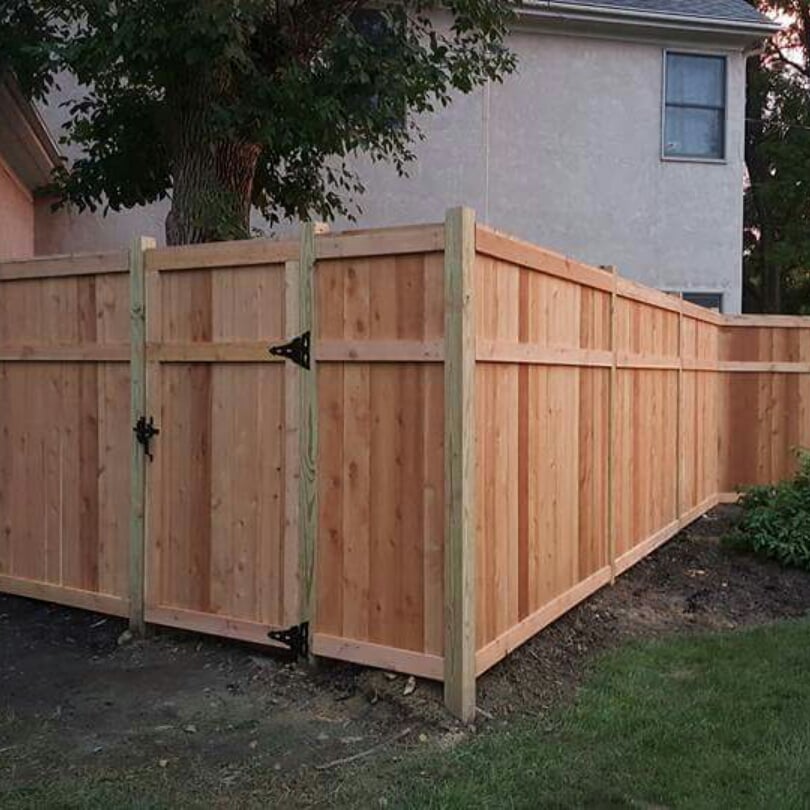
The work was completed in a day and a half. They cut small trees, pulled out an old swing set, pulled out railroad ties and left the place spotless when the job was complete. I am very happy with the fence and their efforts were above and beyond my expectations.
 Elite Fence
From average costs to expert advice, get all the answers you need to get your job done.
If you’re interested in soundproof fencing, you’re in the right place. Read on to learn how to bring more peace and privacy to your property.
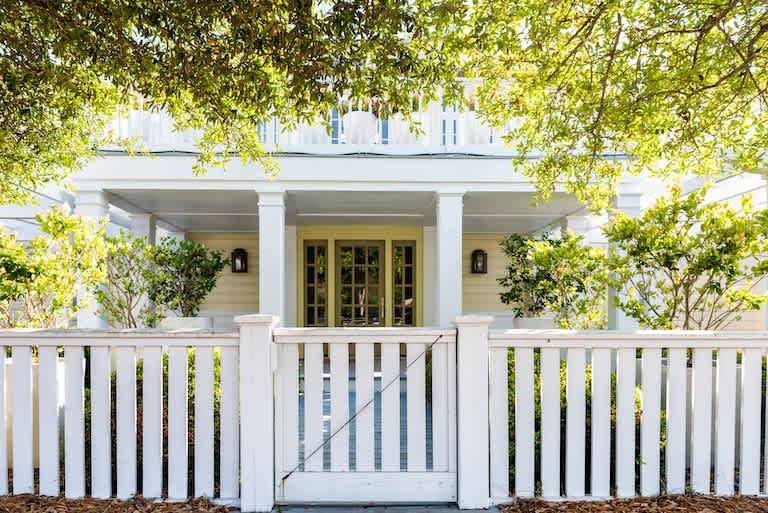
A new fence adds privacy, improves safety, and even boosts curb appeal. But how much does fence installation cost? Find out in this guide.

Renting temporary fencing will protect your property during construction or even a party. Fence type, material, and security features impact the cost.
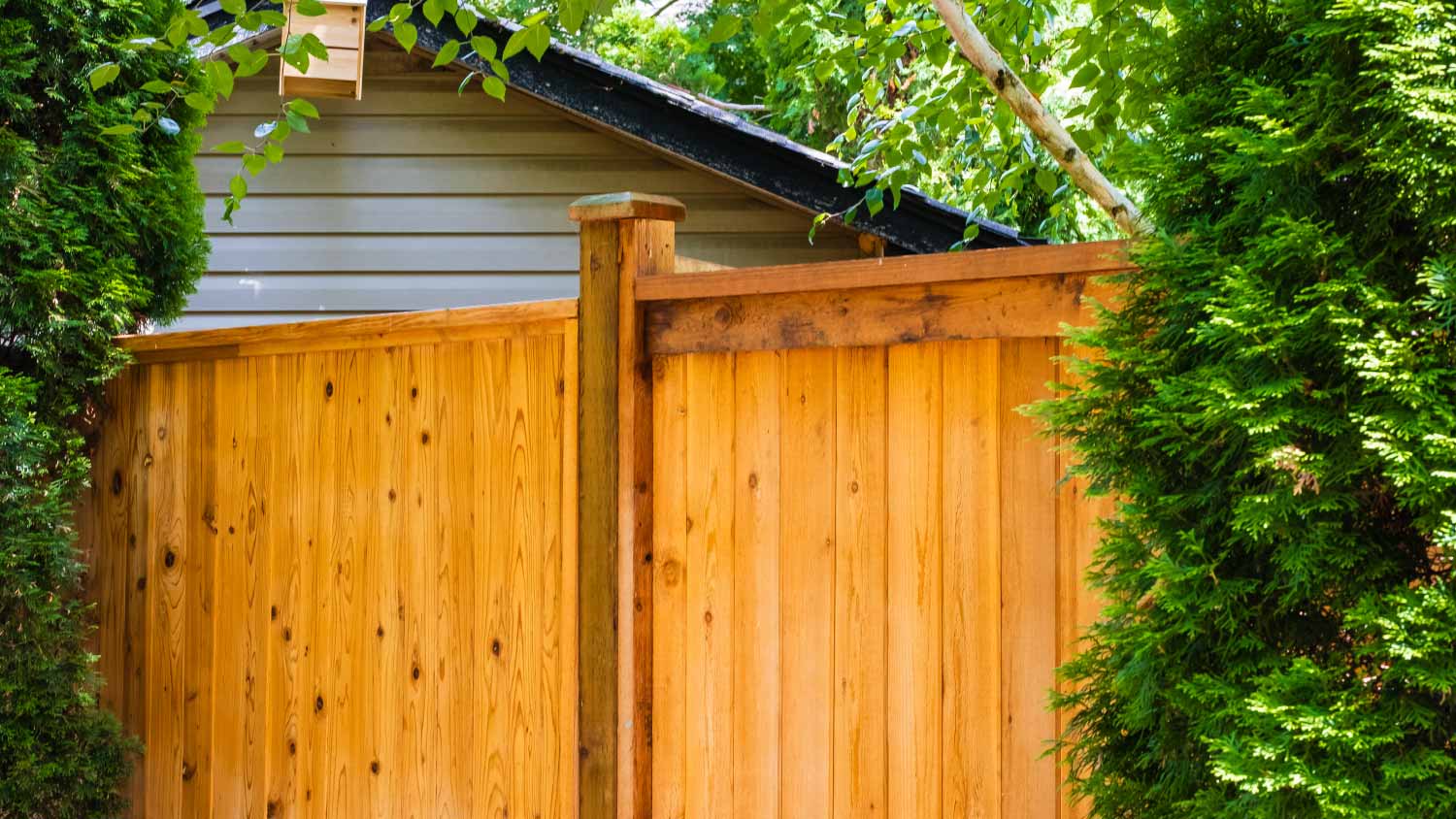
Cedar fences are a perfect blend of nature, style, and affordability. Use this guide to find your perfect design and upgrade your yard.
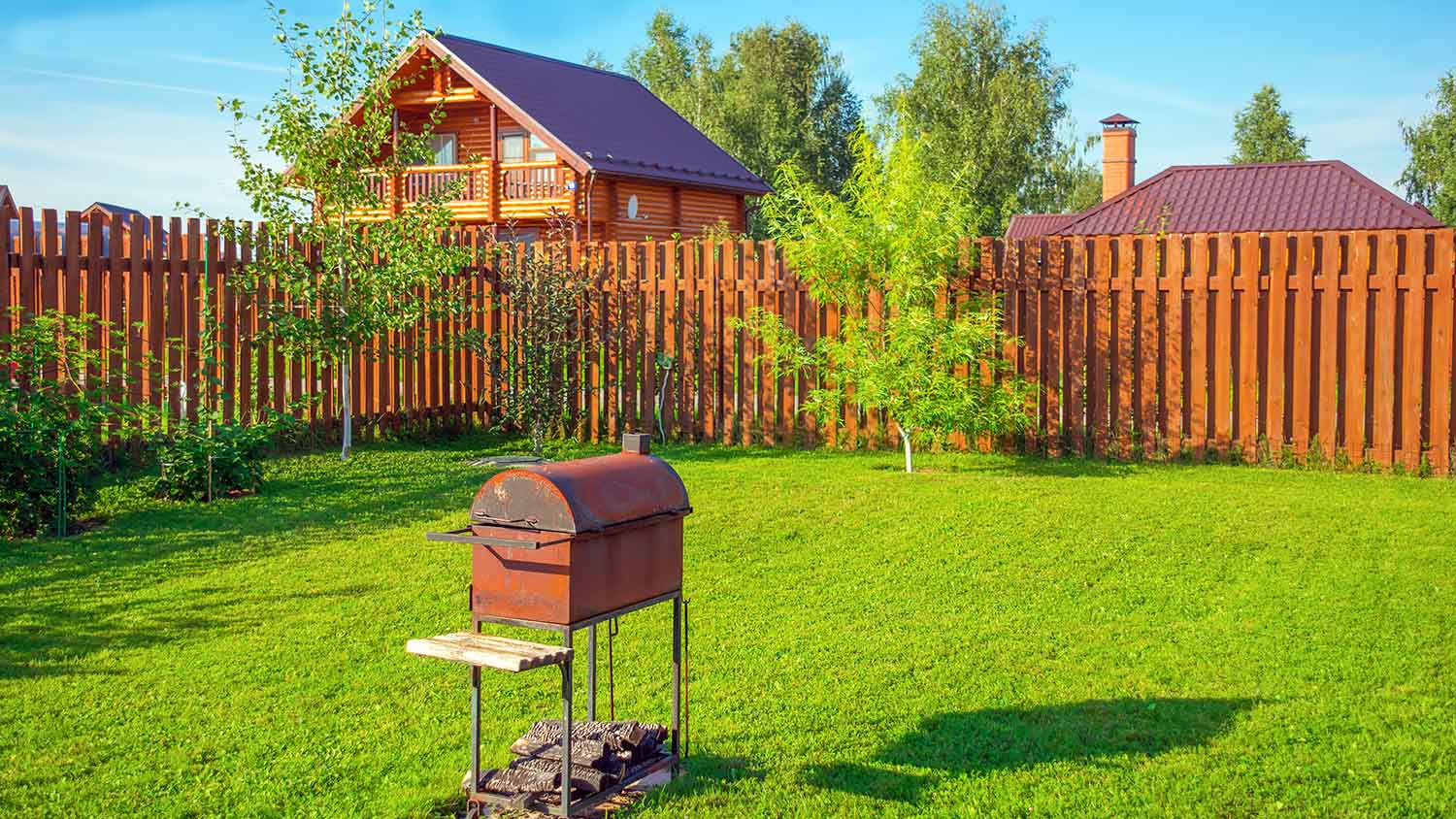
A shadow box fence adds privacy to your yard while maintaining its aesthetics. Just what is a shadow box fence? This guide has all the answers you need.
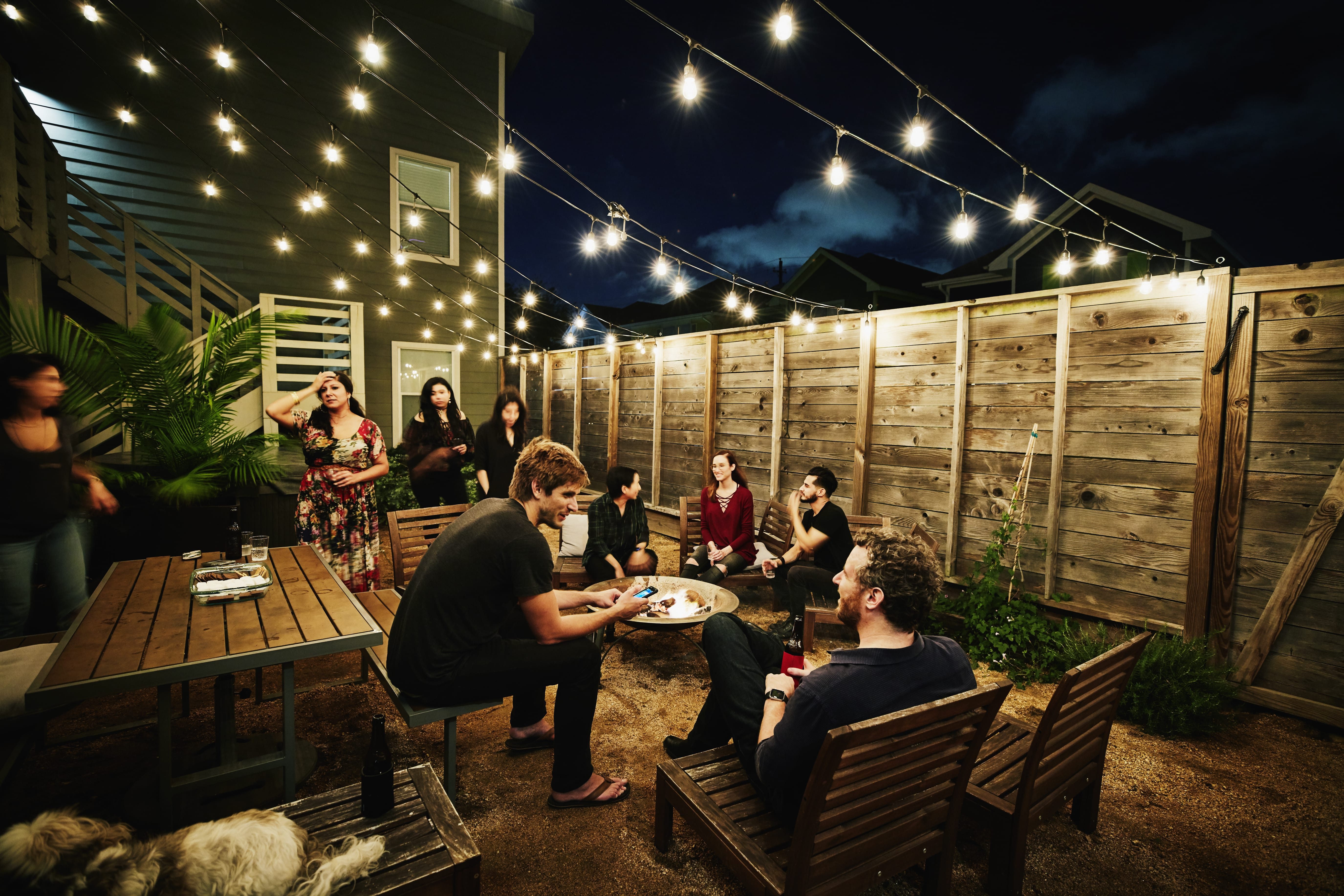
Whether you’re installing a new fence or redoing an old one, it’s worth checking out different designs first. These wooden fence ideas will help you find the perfect fit for your yard.