

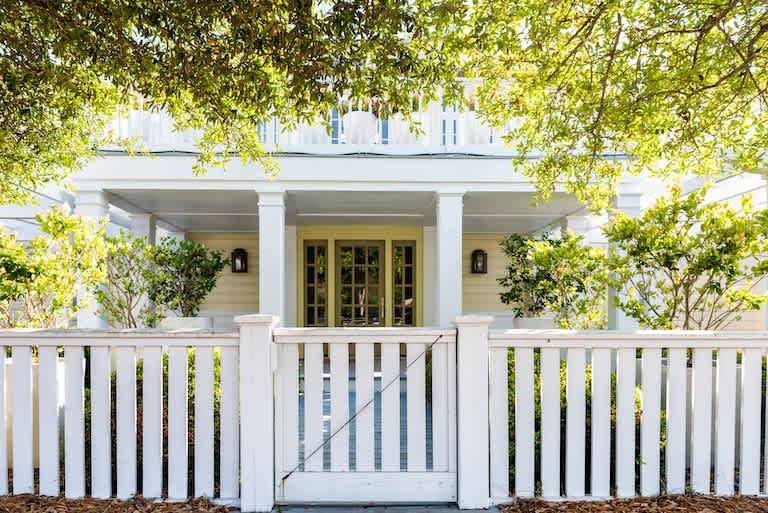
A new fence adds privacy, improves safety, and even boosts curb appeal. But how much does fence installation cost? Find out in this guide.
Fencing service costs depend on your project and location. Check with a local pro for your specific job.

Temporary fence rental costs $150 to $500 for your one-month, 60-foot rental with delivery and installation.
The temporary fence type you choose drives price, from simple orange plastic to heavy-duty security panels.
You should budget for add-ons like gates, padlocks, shade cloth, and sandbags, adding $150 to $400.
Hiring a local fence company provides reliable installation and avoids buying tools like a post driver, a steel stake pounder.
In 2026, the national average cost to rent a temporary fence is $350. Most homeowners spend $150 to $500 for a one-month, 60-linear-foot rental with delivery and installation, with the cost driven by fence type, security features, and add-ons like gates and sandbags. Knowing what affects the price makes it easier to plan your budget before you get started.
Fencing materials, length, and rental duration are the primary drivers of your temporary fence rental bill, with add-ons like gates, padlocks, shade cloth, and sandbags adding $150 to $400 to your total. The type of fencing material you choose has the biggest impact on price, ranging from inexpensive orange plastic to heavy-duty security panels.
Adding a padlock to a temporary fence costs $20 to $40 per lock with installation and removal factored in, making it a practical safeguard for construction zones where valuable equipment is present.
A fence shade cloth adds privacy and weather protection to a chain-link or metal fence, with an average cost of about $200 for 60 feet of coverage.
A fence screen, typically a thick black mesh attached to your fence for privacy, is one of the more budget-friendly add-ons, with basic versions available for less than $0.20 per square foot. More ornate materials like wood, vinyl, or canvas cost more but offer better aesthetics and a longer lifespan.
Adding access points to your temporary fencing means budgeting $100 to $400 per 3-by-6-foot gate, depending on the gate style and rental terms.
Sandbags help temporary fencing hold up against wind and unstable terrain, and filled sandbags cost about $3 to $8 per bag for a one-month rental. Because temporary fencing is less rigid than permanent fencing, contractors commonly recommend sandbags as a stabilizing measure on challenging job sites.

Temporary fencing is priced by material type, and costs vary significantly depending on whether the fence is meant to physically prevent entry or simply signal that an area is off-limits. The table below breaks down rental costs by fencing type so you can compare options based on your security needs and budget.
Orange plastic temporary fencing is the most affordable option, priced at roughly $60 for 60 linear feet, and works well for tree protection, construction areas, parking lot designations, and event route guides. It is not classified as safety fencing, but its bright color effectively draws attention to areas you want people to avoid.
Steel and vinyl barricade fences cost $150 to $300 for 60 linear feet per month, offering a durable physical barrier that is still lightweight enough to reposition anywhere on a property. Barricade fencing is a strong choice for blocking entryways or parking spots and looks polished enough for special events or parties.
Security temporary fencing is the most protective option, costing $135 to $500 for 60 linear feet, and is built from heavy-duty materials like metal, wire mesh, or chain link. If you need maximum deterrence, companies specializing in security fencing can add razor or barbed wire over the top for an additional $80 to $180.
Temporary fence rental pricing is flexible, with options ranging from a single hour ($50) to a full month, and the per-day rate ($30 to $90) decreases the longer you rent. Picking up the fence yourself rather than having it delivered can lower your cost further and give you more flexibility on timing. Weekday rates are often lower than weekend rates, since weekend demand from DIYers tends to push prices up.
Costs vary by rental period, as the table below shows:
| Rental period | Average Cost per Day in 2026 |
|---|---|
| One hour | $50 |
| One day | $30–$90 |
| One weekend | $28–$80 |
| One week | $25–$65 |
When billed separately, labor runs $30 to $50 per hour when hiring a local fence contractor to handle installation. The installation process typically involves driving posts roughly 10 feet apart and 3 feet deep, though your contractor may opt to mount panels on a platform if the terrain calls for it.
Local fencing contractors charge significantly less to install temporary fencing than permanent fence installation costs, and most rental companies bundle delivery and installation into your quote rather than offering a fixed price.
To DIY temporary fencing installation, you could spend over $300 on installation equipment alone, not including the fencing material itself. Because fencing pros have the driver, sandbags, and other equipment on hand, this project is more cost-effective when you leave it to a fencing pro near you.
There are plenty of benefits to letting a pro take over your temporary fence installation project.
A pro can help you choose which temporary fencing type works best for your needs.
Fencing pros will ensure the fence is safe and secure.
During installation, a pro will know how to install posts into the terrain with minimal landscape destruction.
Rain and other inclement weather can cause posts to sag or fall if they aren’t installed properly.
A pro will accurately follow property lines and local building codes, so your temporary fence installation won’t lead to penalty fines.
A pro will be able to install a temporary fence faster than a DIYer.
Pros already have the proper tools and specialized equipment, including a driver, to install the fence.
Ultimately, you could save more by having a pro install your temporary fence. But if you want to help with this project, you can:
Research and mark your property line before installation.
Clear the installation area of any outdoor furniture or debris.
If the fence will go in a landscaped area, carefully remove shrubs and plants and relocate them before installation.
Handle simple landscaping restoration after the temporary fence is removed.
Tell your pro why you need the temporary fence and for how long to narrow down what options work best for the situation.
Measure the length of the space where you’d like to install the fence so that a pro can give you accurate material quotes.
Review different temporary fencing options and determine what types fit within your budget.
Ask about the project timeline, including when the fence will be installed and when the pros will come to remove it.
Ensure the timeline works with the event or project timeline so that the fence is installed before the event or project begins.
Home is the most important place on earth, which is why Angi has helped more than 150 million homeowners transform their houses into homes they adore. To help homeowners with their next project, Angi provides readers with the most accurate cost data and upholds strict editorial standards. We extensively research project costs to develop the pricing data you see, so you can make the best decisions for you and your home. We rely on reputable sources, including the U.S. Bureau of Labor Statistics, academic journals, market studies, and interviews with industry experts—all to ensure our prices reflect real-world projects.
Want to help us improve our cost data? Send us a recent project quote to [email protected]. Quotes and personal information will not be shared publicly.
A reliable team for moves across state. My switch to a new place needed careful lifting through tight hallways. The movers checked the doorway first, then carried heavier pieces with slow, controlled movements. Their patience helped prevent damage, and I?d choose them again.
We have used Window Warriors many times with no issues. They arrived on time and were very professional . We have pets and Window Warrior team treated them very well, well trusted team.
 Window Warrior of Columbus, Inc.
We have bought and sold numerous times over the past 50 years. Sherman Hall and Top Line are top notch. Thorough and detailed, he explains every possibility, probability, and eventuality. High class and pleasant. The best.
 Top Line Home Inspections, LLC
Our homes curb appeal skyrocketed thanks to Custom Paint Jobs LLC s exterior painting.
 Custom Paint Jobs, LLC
Window Depot did an amazing job on my deck. I wasnt sure what I wanted to do, but their composite decking was affordable and will last a long time. I am excited to have family over, and I am no longer embarrassed by my backyard. Jeff and the ground crew were polite, respectful, and caring for...
 Window Depot USA of Central Ohio
Storms Mobile Welding was great to work with. They were prompt, professional and did an overall excellent job on the project. I highly recommend.
Great job...edging and pre clean up went well with a great job with seal coat. Friendly, efficient and professional.
 All Star Paving and Sealing
Did an amazing job transforming my yard. Also installed sod in places, would recommend to everyone.
 Cardinal Landscaping & Construction LLC
We hired Andrew and the team from Midwest Lightscapes for a custom lighting design and installation on a Victorian Village home. The house had outdated low-voltage halogen outdoor lights and many of them were not working. Andrew designed and installed a new system including uplighting on the...
 Midwest Lightscapes
The work was completed in a day and a half. They cut small trees, pulled out an old swing set, pulled out railroad ties and left the place spotless when the job was complete. I am very happy with the fence and their efforts were above and beyond my expectations.
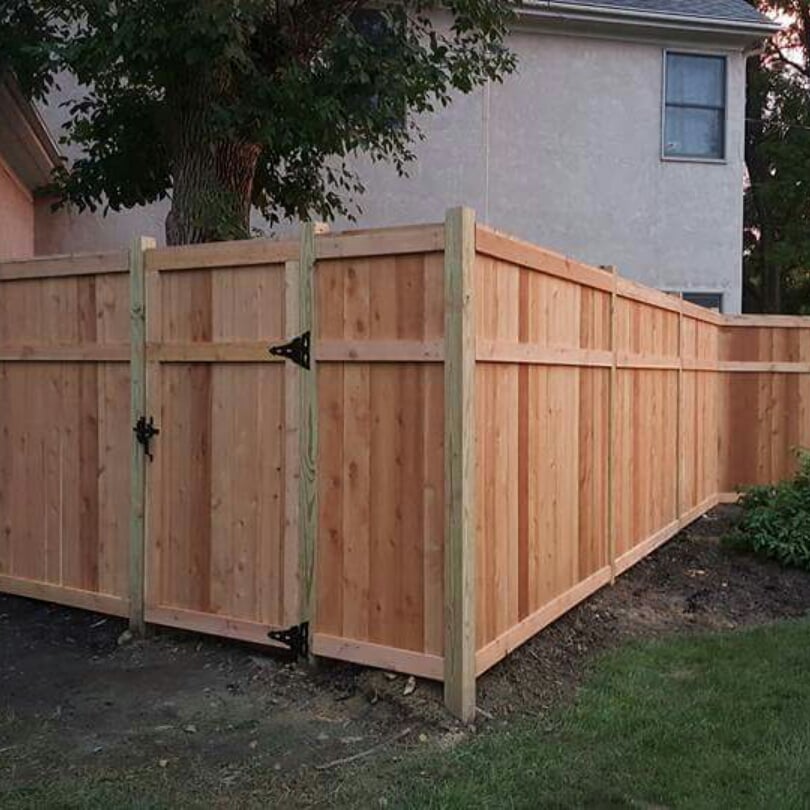 Elite Fence
From average costs to expert advice, get all the answers you need to get your job done.
A new fence adds privacy, improves safety, and even boosts curb appeal. But how much does fence installation cost? Find out in this guide.

An electric fence is an effective way to keep animals in your yard. Learn how much different electric fences cost, in this guide.
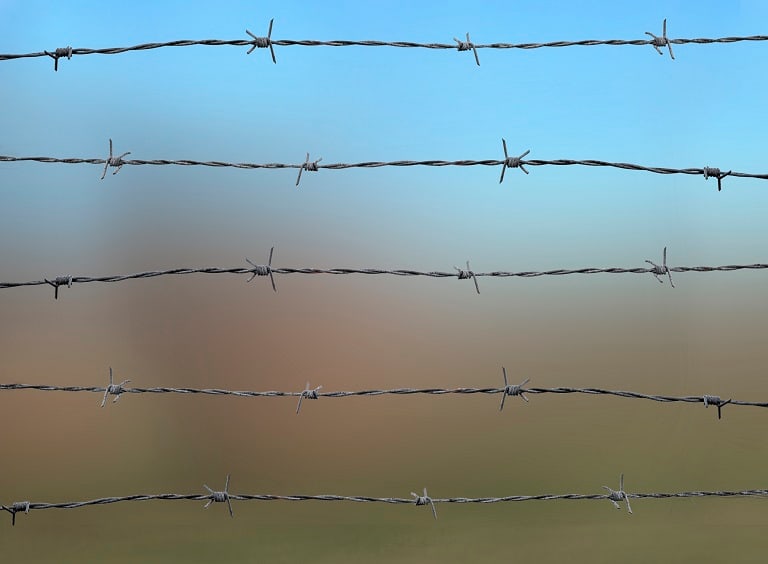
The cost of a barbed wire fence depends mainly on how large your property is. If you have a longer fence, you can expect to pay a few thousand dollars.

A fence installation can help make your home more sellable by providing privacy and curb appeal. Keep reading to see how much a fence increases home values.
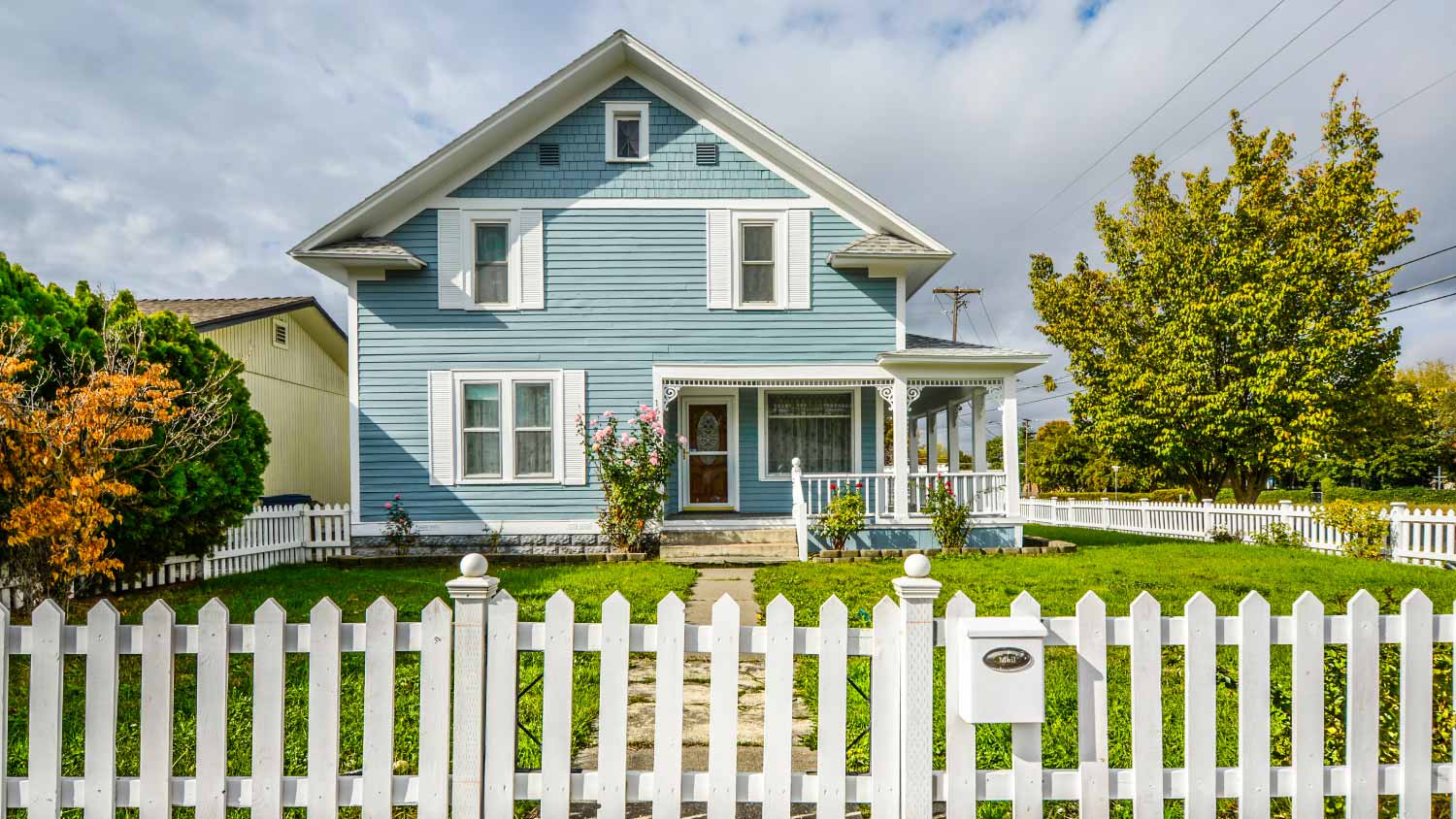
The cost to install a picket fence varies by height, material, labor, and more. Read this guide to help you budget for a picket fence installation.
How much a privacy fence costs depends on several factors, including the size of the fence and the material used. Our cost guide breaks down these and other factors.