
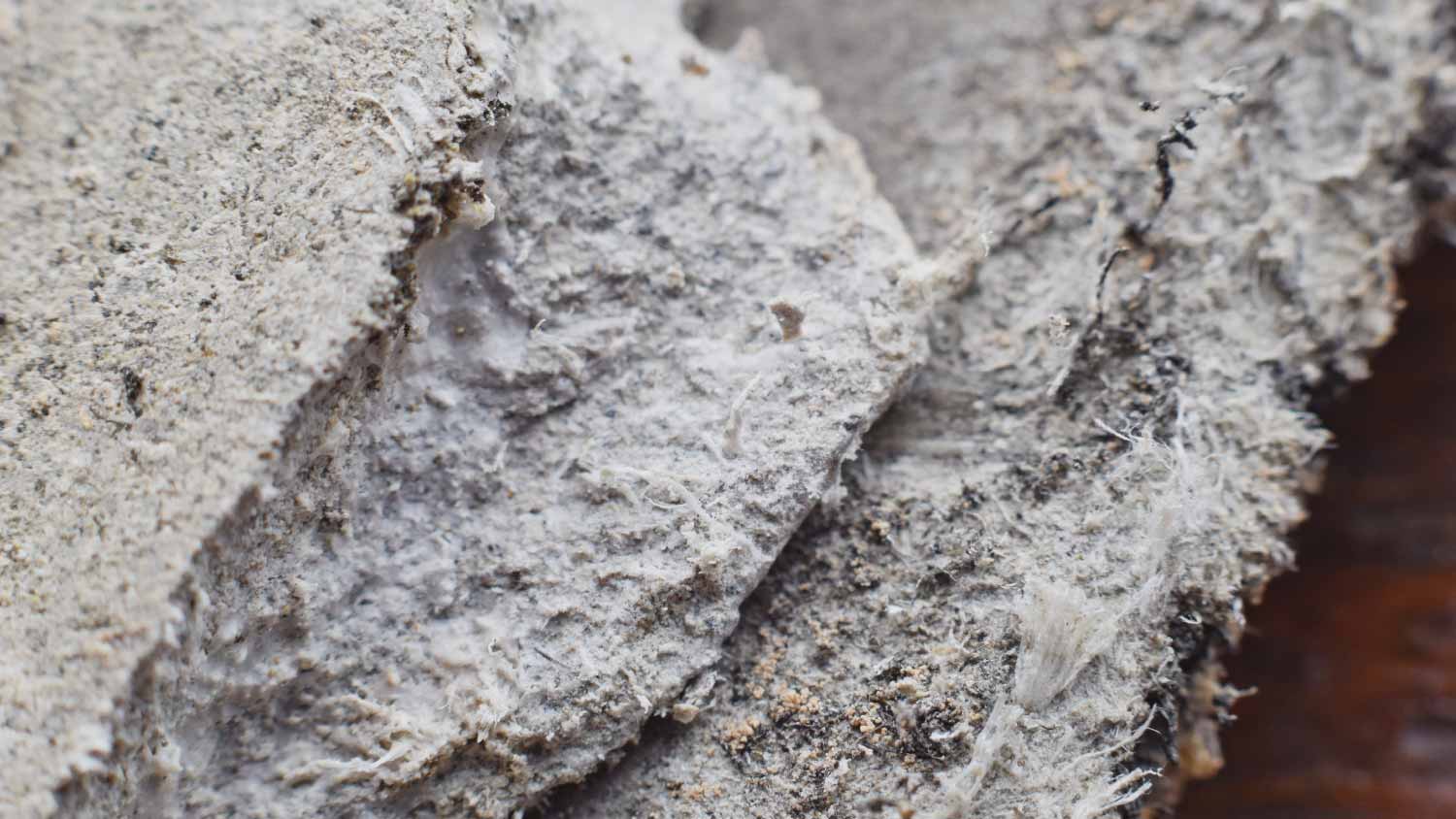
Your home may contain asbestos, but don't panic. Learn where asbestos is found, and what you can do about it to protect yourself.
Is asbestos lurking in your charming abode?

Asbestos was popular in home construction between the 1940s and 1970s, so your home built during this period needs professional testing to confirm its presence.
Homes built before 1978 account for most asbestos removal needs, with 78.1% of cases involving older properties requiring inspection when you plan renovations or repairs.
Asbestos stays safe when left undisturbed, but you need professional encapsulation or removal if the material is damaged or if your renovation project will disturb it.
Hiring a local asbestos testing professional provides reliable answers through proper inspection and sampling, helping you plan safe encapsulation or removal when asbestos is confirmed.
If you own a home built before the 1980s, you may wonder: when was asbestos used in homes? Asbestos was once hailed as a miracle material, widely used in construction for its fire-resistant and insulating properties. Decades later, we know the grave dangers it poses to our health. Here's what you need to know about asbestos use and whether it may be lurking within your walls, floors, or ceilings.
Asbestos is a naturally occurring mineral known for its durability and resistance to heat, fire, and chemicals. This made asbestos desirable for industrial uses, including construction materials. Aside from its home benefits, asbestos was a go-to material as a relatively low-cost option.
Asbestos was commonly used in materials such as insulation, roofing shingles, vinyl flooring, and textured paints like the popular popcorn ceilings. Its widespread use was driven by the need for durable, safe construction materials that could withstand high temperatures and prevent fires. Unfortunately, as asbestos breaks down over time or becomes damaged, it releases tiny fibers into the air. When inhaled, these fibers can lodge in the lungs and cause serious health problems, including mesothelioma, lung cancer, and asbestosis.
Asbestos use in home construction started in the 1930s and peaked between the 1940s and 1970s. During this time, builders relied on asbestos-containing materials (ACMs). Its popularity continued into the early 1980s, but concerns about the health risks of asbestos exposure began to grow in the 1970s. By the late 1980s, the use of asbestos in home construction had significantly declined, though it was not entirely banned in the United States.
Although asbestos is no longer used in new home construction, many homes built before the 1980s may still contain ACMs. If your house was built during or before that period, there’s a chance that asbestos may be present in some of its materials. It’s important to note that asbestos is most dangerous when it’s disturbed, such as during renovations or repairs, which can lead the harmful fibers to become airborne.
Older homes are more likely to contain materials with asbestos, and data from Angi customers shows that 78.1% of homes that needed asbestos removal were built before 1978. Only 12.4% of homes needing asbestos removal were built after 1978. If you have an older home, preventative asbestos testing by a professional abatement company is a smart, safe choice.

Identifying asbestos in a home can be tricky because it was used in products similar in appearance to modern, non-asbestos materials. You won't know what asbestos looks like in insulation or other areas. Some common areas where asbestos is found in homes include:
Insulation: Asbestos was commonly used to insulate attics and walls, especially in homes built between the 1930s and 1950s.
Roofing and Siding: Asbestos was used in cement-based roofing shingles and siding panels.
Flooring: If you have vinyl tiles installed before the 1980s, there’s a chance they contain asbestos.
Textured Ceilings: Popcorn ceilings, popular in homes from the 1950s to the 1980s, may contain asbestos.
Piping and HVAC Systems: Asbestos was used as an insulating material around pipes and ductwork, especially in basements or boiler rooms.
Asbestos is odorless—so don't rely on your nose to tip you off about asbestos in your home. Asbestos fibers are too tiny for humans to detect their smell, so even large amounts of asbestos will lack a scent. The only way to know if your home has asbestos is to have a pro test for it.


If you think your home might have asbestos, take the right steps to keep you and your family safe. The most important thing to remember is not to disturb anything that could contain asbestos. It only becomes dangerous when it’s damaged or disturbed, so leaving it alone is the safest choice.
Your first step should be to hire a local asbestos professional to inspect your home and take samples for testing. They’ll confirm whether asbestos is present and help you figure out the best course of action.
If asbestos is found, you have two options: encapsulation or removal. Encapsulation seals the asbestos-containing material to prevent fibers from becoming airborne. This is a good option if the material is in good shape and unlikely to be disturbed. Removal, also known as abatement, is the best choice if the asbestos is damaged or if you’re planning a renovation that could disturb it.
Abatement should always be handled by a licensed asbestos removal professional who has the right tools and expertise. There are strict federal and state regulations for safely removing and disposing of asbestos, and contractors are required to follow them.
One of my old tall evergreen trees was suddenly leaning toward the busy street in front of my house. I submitted a request for an emergency tree inspection, and Alejandro, owner of Cajete Tree Service, contacted me immediately and arrived to look at it just 20 minutes later. We agreed the...
 Cajete Tree Service LLC
Terrible experience. Walls/trim/floors/cabinets/doors all have drip marks, overspray, etc. Tiling at the fireplace had to be redone by another vendor due to incorrect and shoddy install by Profect. Contractor had his children in our house while he was on site without prior authorization or...
 Profect painting & exteriors
Lyle did a great job removing asbestos shingles from our front porch roof. They worked together with our roofer to make sure that the new roof was able to be installed on the same day that Lyle removed the asbestos shingles.
 Lyle Environmental
Involved an extensive bathroom remodel, including removing tub & installing walk in shower, new drywall, custome tile work to ceiling, plumbing, etc. Overall, job was done on time and on budget. Nick & his team were very professional and had high attention to detail. Quality was great. Highly...
 Stamos Flooring and Remodeling LLC
A team of 2 spent 5 hours, cleaning top to bottom (removed all light fixture and cleaned.... impressive!!!)
 Luzia's Cleaning
Great Job!!! Martin called me after I requested a estimate on Home Advisor. He was very professional and actually went the same day and looked at the tree I needed removed gave us a estimate and I felt it was very aggressive so I did not even call for any other bids. I asked him how soon he...
 Reyes Tree Service LLC - Home Facebook
Mike and his crew did a great job working through a very challenging task. The job required a full demolition of our ceiling, removing the blown in insulation and removing all the material from the site daily. It involved multiple inspections from the city and many challenges to get the...
 Rising Height Unlimited
Removed various items (furniture, lamps, other junk) from my home. They were on time, personable, professional, etc. I can't say enough positive things about this company. <br />
The task proved more difficult than anticipated. When they arrived the first day, they had no tools with them at all, and had to make a run to purchase appropriate tools. It was quickly determined that the paper had to be steamed off, and neither the workers, nor the company itself, had...
 ABS Interiors of Mid-Ohio LLC
We needed them to do extra work to remove existing wallpaper, and provide full primer and painting/trim work around existing furniture etc, during a move-in period. They did everything top-notch with minimal mess. They were always extremely on time, and very professional. They also cleaned...
From average costs to expert advice, get all the answers you need to get your job done.
Your home may contain asbestos, but don't panic. Learn where asbestos is found, and what you can do about it to protect yourself.
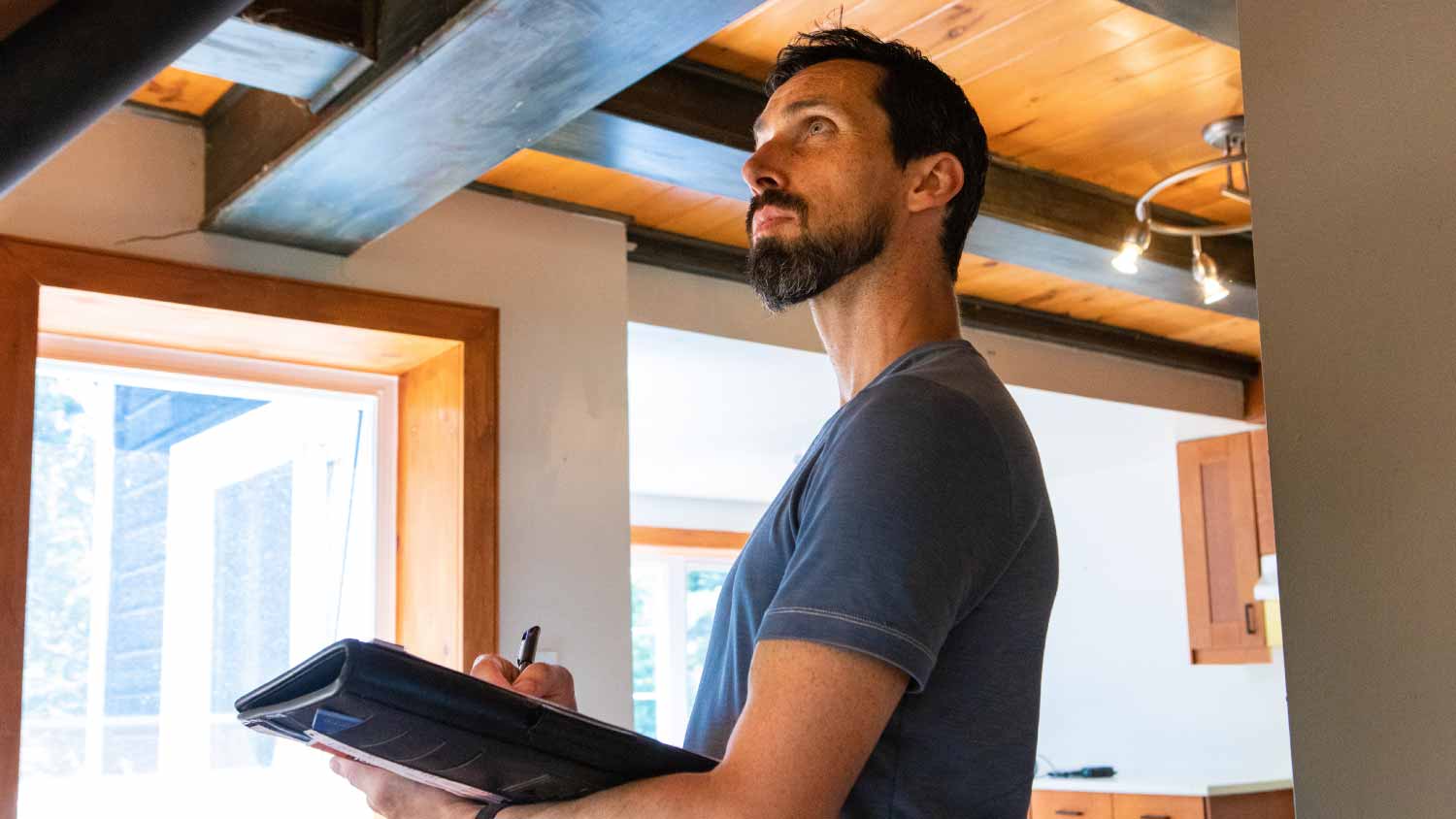
Home inspections typically look for potential health hazards, but do they check for asbestos? Find out what you need to know about asbestos to keep your home safe.
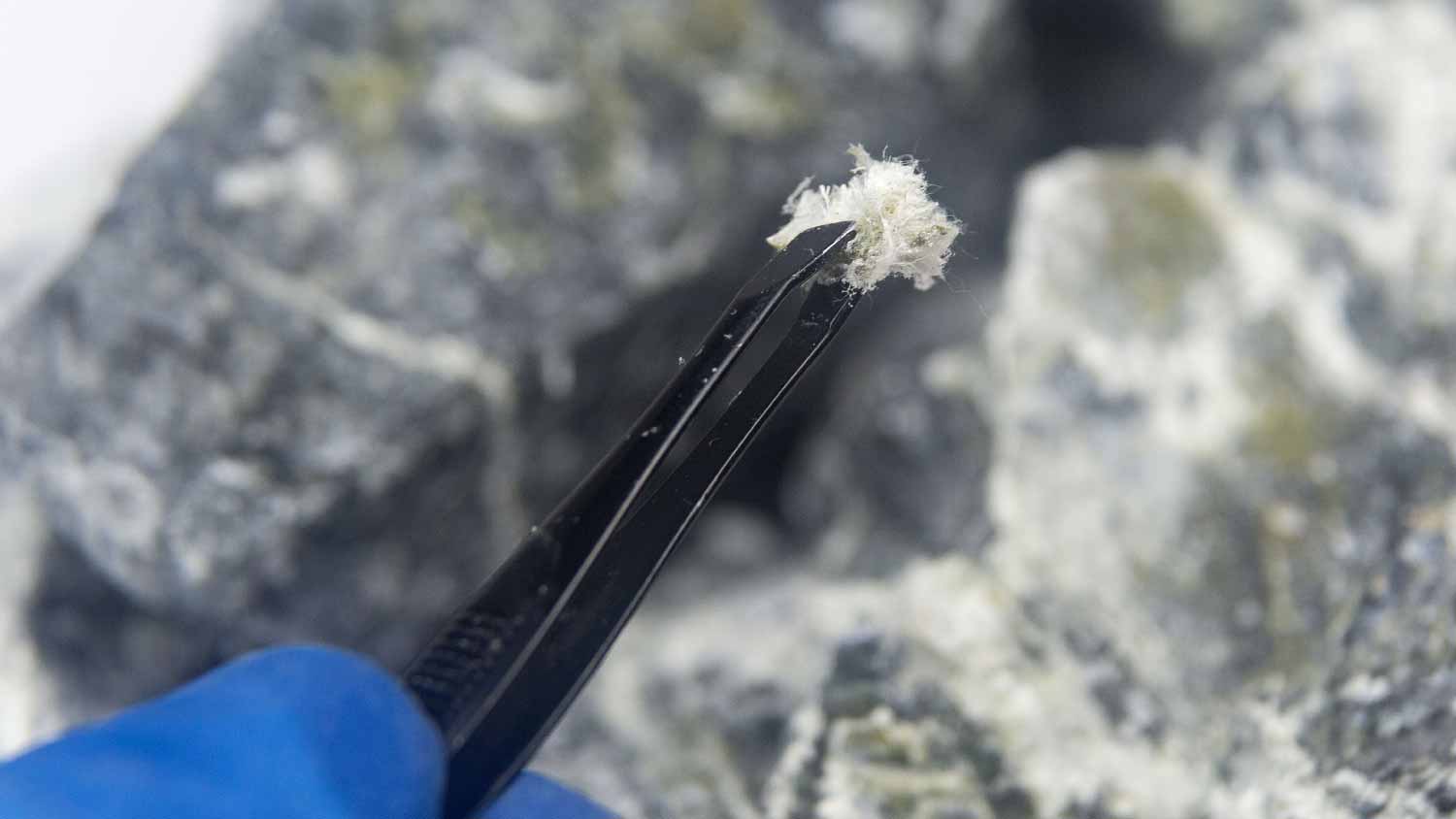
What does asbestos look like? It may be harder to spot asbestos than you think. Read on to learn more about this invisible home hazard.
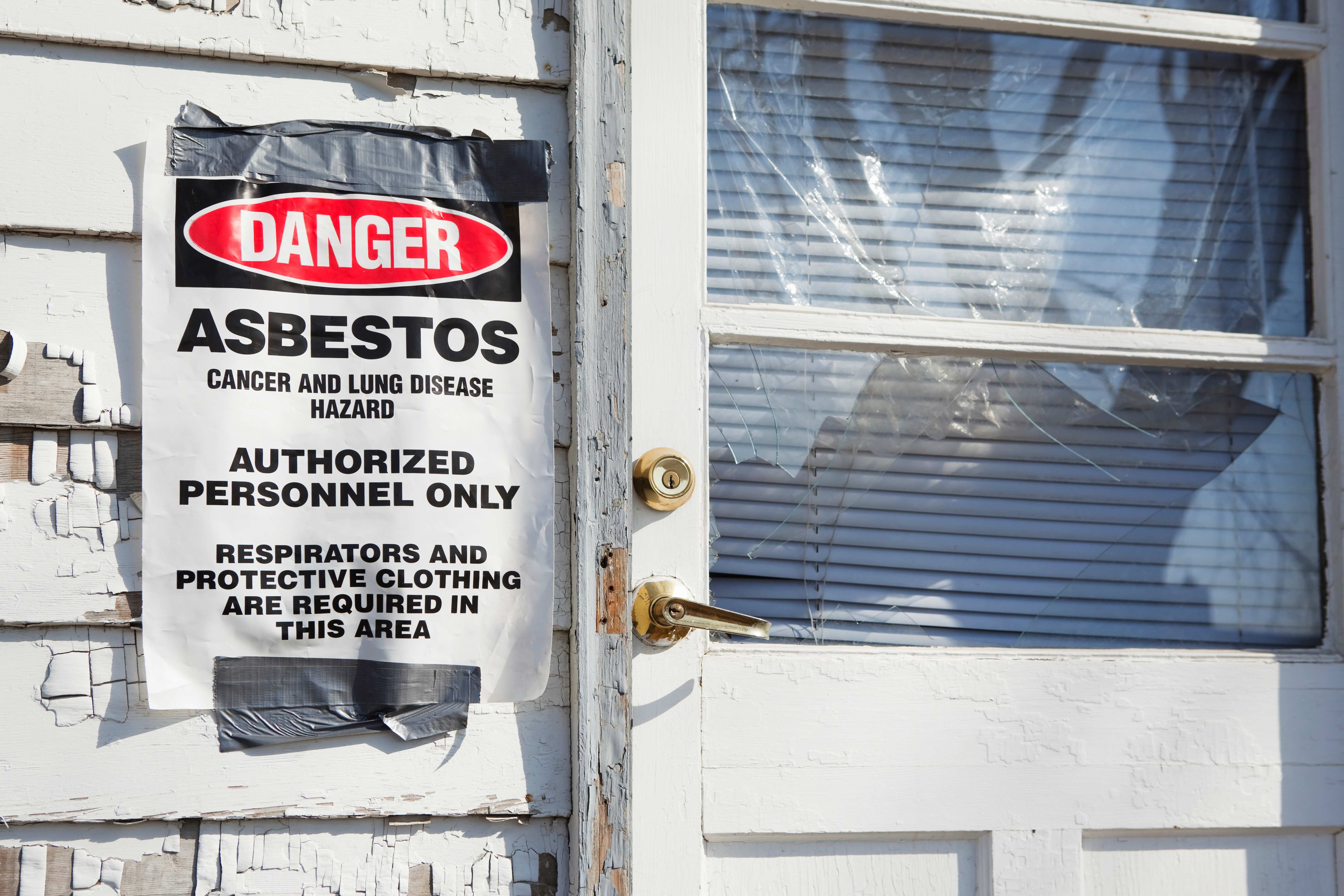
Asbestos still lurks in many older homes. Asbestos exposure is unlikely unless you disturb it. A professional should do asbestos testing and asbestos removal.
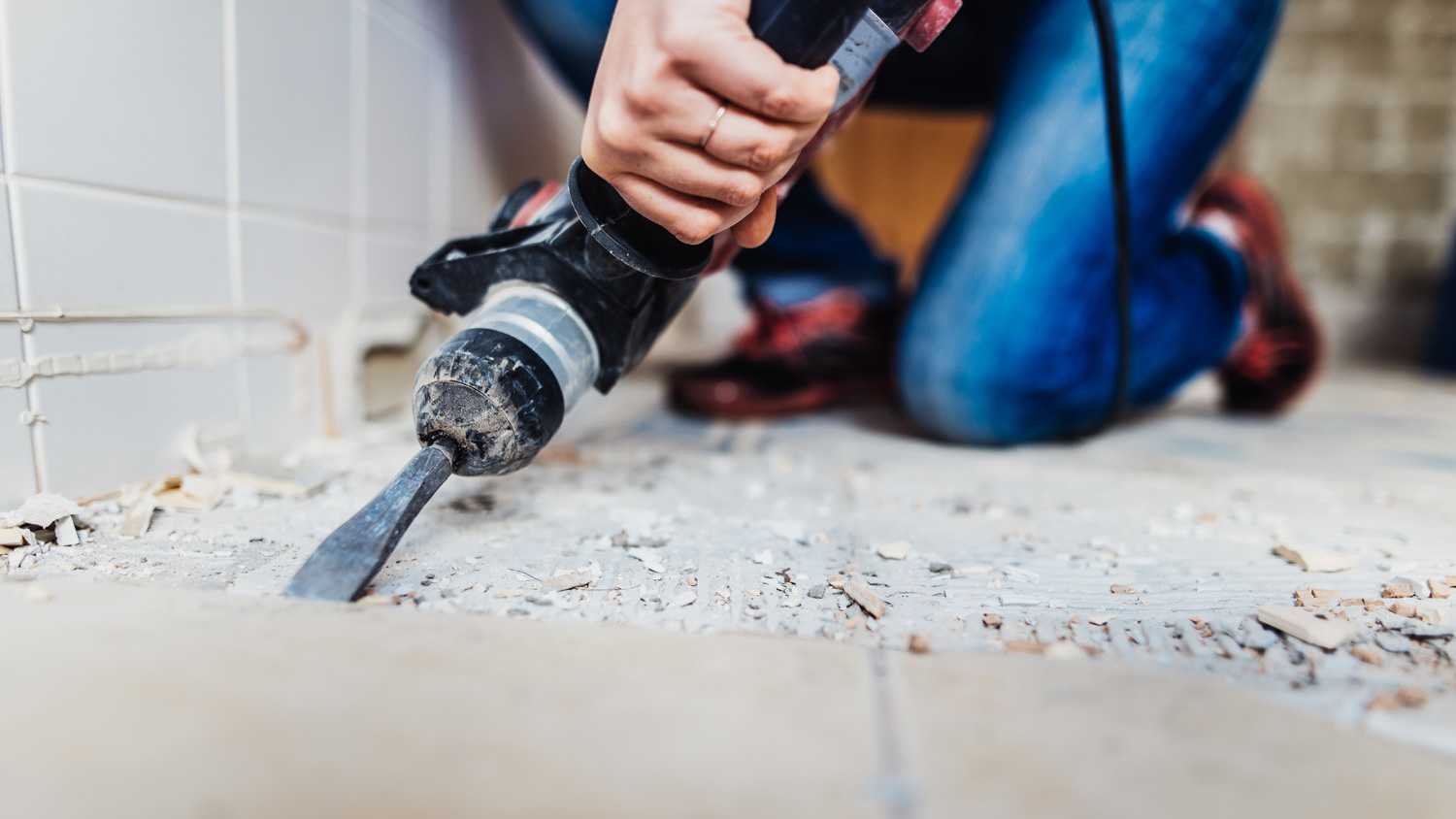
What are asbestos floor tiles and how can you tell if they’re in your home? Learn how to identify asbestos floor tiles, risk, and removal.

You want to keep your family safe, so you may wonder how to tell if your home has asbestos. Since asbestos is invisible to the naked eye, you can look for signs of the material, but you should hire a professional to confirm the presence of asbestos.