
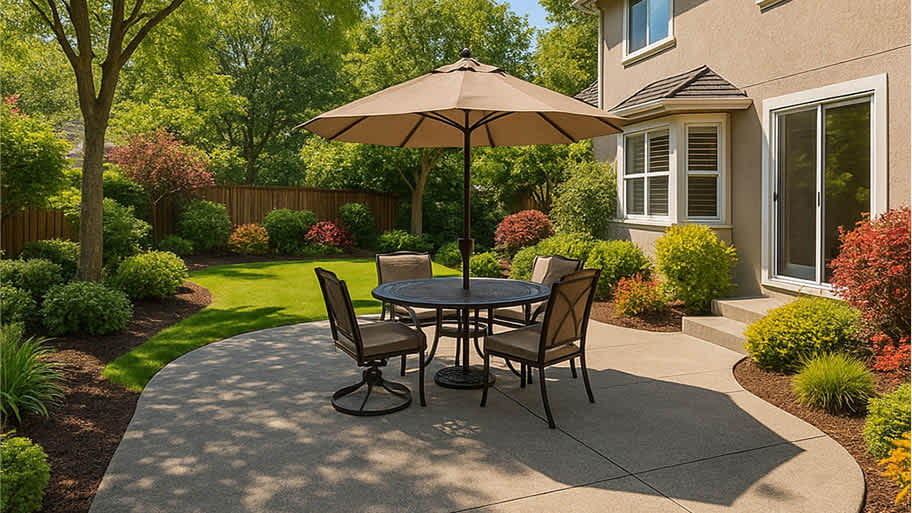
A concrete patio adds valuable outdoor living space to your home. Learn how much a concrete patio costs and which factors affect the project price.
On average, rebar costs between $1.40 and $1.85 for 2 feet of material

Rebar prices range from $0.18 to $6.80 per foot depending on your project needs, with grade, thickness, and material type affecting the final cost.
Professional rebar installation costs $0.90 to $1.60 per foot, and many contractors have supplier deals that can influence your overall project pricing.
You can save money by choosing grade 40 rebar for patios instead of grade 60, or by waiting for steel market prices to drop.
Hiring a local concrete company provides expert guidance on rebar grade selection and ensures proper installation for your driveway or patio foundation.
Contractors use rebar to reinforce concrete structures such as building foundations, walls, highway overpasses, and more. While the average range for rebar is $1.40 to $1.85, it can go as high as $2.55 per foot, depending on grade, thickness, and more. In a residential setting, homeowners may install rebar into new patio projects to reinforce their foundation or when building or adding to a driveway.
You can “steel” the best rates by shopping around and timing the market. Learn average rebar prices, plus some money-saving tips to help get the most for your budget below.
On average, the selling price for rebar is between $1.40 and $1.85 for 2 feet of material. However, the price can vary depending on grade (tensile strength), bar thickness, and whether you’re using primary steel rebar or secondary rebar.
In recent years, rebar prices have increased across the nation due to supply shortages. Because it’s made of steel, the cost of rebar can vary drastically over the course of a year, depending on external economic conditions.
For residential purposes, a maximum price of $2.55 per foot is a good guideline to consider, with an average cost of $0.75 to $1.40 per foot for most projects.
Contractors use rebar for concrete surfaces that are 5 inches or thicker, making driveways, patios, and foundations the most popular applications for homeowners. That said, a structural engineer should determine this for safety and effectiveness.
Here are some general guidelines for pricing you can use when budgeting for rebar.
For under $500, you can install enough rebar in a driveway or patio that’s about 160 square feet or less. This would include the costs of materials and installation by a pro, which is usually between $2 and $3 per foot. It does not, however, include other costs, such as concrete pouring, cleanup, removal, hiring a patio paver, etc.
(For what it’s worth, installing a new patio costs $1,860 to $5,285 on average.)
One 50-pound box of epoxy-coated rebar, commonly used under pavement and driveways, typically costs between $300 and $400. To save money, opt for standard rebar here over non-corrosive materials like stainless steel.
You can purchase rebar for larger driveways or concrete slab reinforcements for under $1,000. A 300-square-foot area, which could cover one or two rooms in a standard-sized home, could fit in this price range.
If you’re doing the work yourself and either have the tools needed to cut and tie rebar (or can borrow them), you can probably tack on another 100 to 150 square feet in materials. You can also save money by using grade 40 rebar instead of grade 60.
Beyond the $1,000 mark, you can spring for stainless steel, galvanized, or fiberglass rebar for residential projects.
Getting multiple quotes from local vendors or concrete repair specialists can help you save the most on materials.

Self-installing rebar could save you hundreds, if not thousands, of dollars on a project. It costs between $0.90 and $1.60 per foot to have rebar installed by a local concrete company.
Many companies also have deals with steel suppliers, meaning you may have to pay their rate to get their services. For DIY homeowners willing to do the hard work involved with laying new concrete, this is an area where you may save as well.
However, cutting, tying, and bending rebar is a lengthy process that requires several tools. If you can’t borrow these from a friend or already own them, you may wind up cutting into your savings margin.
With budget guidelines for rebar outlined above, it’s also worth discussing what other costs might factor into your project. Here are some other things to consider.
Rebar is sold per foot, so the amount you need for your project will largely reflect the final price tag.
Residential projects that use rebar typically use grade #3, #4, or #5 of grade 40 or grade 60 rebar. The grade of rebar speaks to how much tensile strength it has, or how much pressure it can stand without becoming deformed.
Often, contractors recommend grade 40 for a patio. But for driveways or concrete slabs, they may recommend 60 instead. A structural engineer can calculate your needs.
Installing rebar costs between $0.90 and $1.60 per foot. This price can vary depending on the type of rebar you use, how thick or heavy it is, and current market rates.
The U.S. steel market is famously dynamic, meaning the rates you pay for rebar could be high or low depending on the market. If your project isn’t time-sensitive, you could save by simply waiting for steel prices to go down.
Check out the various types of rebar before you shop to make sure you buy the right material for your project.
Standard steel rebar costs as low as $0.18 per foot and as much as $6.80 per foot. It’s plenty strong for residential projects, including in a concrete slab. The one drawback is that it can corrode and break down over time.
Stainless steel rebar starts at $2.50 per foot and could be as much as $16 per foot for commercial properties. It does offer non-corrosive benefits, which could justify the cost.
A general guideline is you should expect to pay 10% to 15% more for galvanized rebar than you would for regular steel rebar. These prices fluctuate with the market.
Fiberglass is a non-steel alternative that’s both lightweight and non-corrosive. It typically costs 20% to 25% more per foot than steel, but is easier to install, which could cut down labor costs.
Epoxy-coated rebar is another corrosion-free material. It’s typically sold in 50-pound boxes by manufacturers, which cost between $300 and $400 (or more depending on the current price of steel).
Stainless steel is more expensive than standard rebar, but does offer a warranty of 75 years. It’s non-corrosive, but so is fiberglass, galvanized, and epoxy-coated rebar. So if you're worried about wear and tear, shop around for all these prices and pick the one that makes sense for your project and budget.
The only safe and effective way is to consult an expert, even if you’re tackling the project DIY. A structural engineer can tell you exactly how much and which grade of rebar you need to build a safe structure.
Archie did a good job cleaning up the driveway before he laid down the sealer. It looks good. He was gracious and even helped me bring up my groceries. His rate was comparable to another company who came out to give me a quote and he talked to me personally rather than just text me a quote...
 Pro Seal Roofing & Paving
Wonderful. I am going to have them remove and replace my driveway in the spring.
 All Star Paving and Sealing
Working with Peter and his crew was a breeze. They were exceptionally polite and did a neat job to repair and seal our driveway. I will definitely talk to them first for additional work.
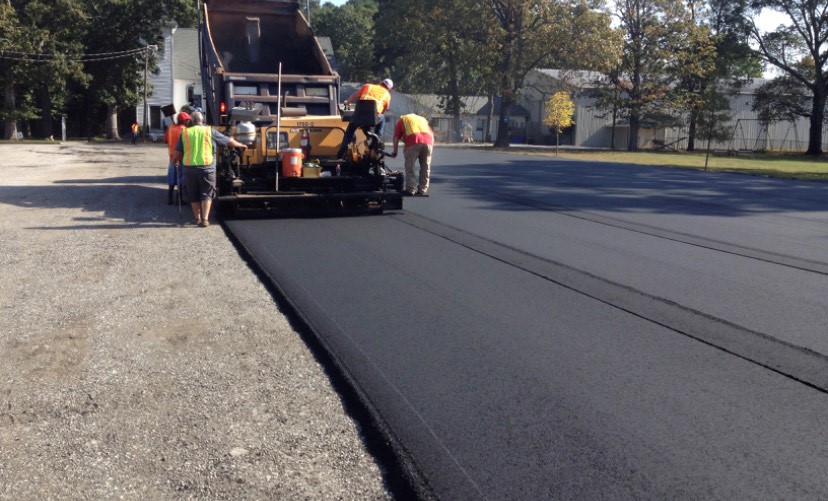 Central Paving
The preformed a really good job the staff is incredible never been so happy with my home, A brand new driveway is like a face lift!!
 Pristine Paving
We recently had our office sidewalk repaired and CT Concrete did an "Outstanding" job. They were quick, friendly and the job is "flawless". I would highly recommend CT Concrete for any of your concrete/sidewalk needs.
Called Mark on a Thursday morning. Not really knowing if he could help me or not. I was having driveway, flooding issues due to a clogged channel drain and I was trying to figure out what direction to take. Heavy rains had come on Monday and again on Thursday leading to flooding in my garage...
 Mark Rodgers Construction
It went really well! The concrete looks, they even did some patch work on my buildings parking lot. That was such a plus! <br />
 AmeriCoat Asphalt & Concrete
Jand J has provided services for clients of mine for 15 years or maybe longer. They are always honest with their recommendations, providing good advice to my clients and competitive pricing. All three of the structural engineers whom I have dealt with in recent years have Jand J on their...
We first had Mark fix the back patio and liked his work so much we had him make a brick patio on the side of the house. When we decided to change our concrete walkway to brick, we wanted Mark to do the job because his prices were fair and he did such good work on t he other two projects.
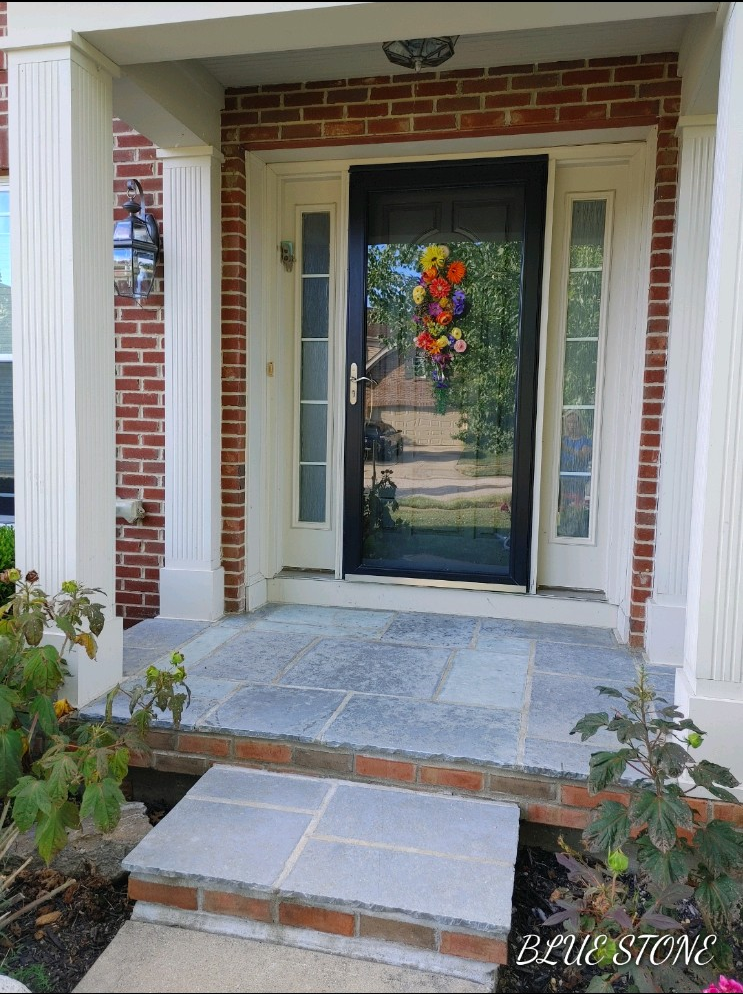 Mark Monnette Masonry
Mr. Lewis was extraordinarily responsive. At the time we realized that the concrete could not be repaired, we had intended to put our house on the market. We were anxious to get the work complete so that we wouldn't delay marketing the house. Mr. Lewis promptly returned our calls, provided...
From average costs to expert advice, get all the answers you need to get your job done.
A concrete patio adds valuable outdoor living space to your home. Learn how much a concrete patio costs and which factors affect the project price.
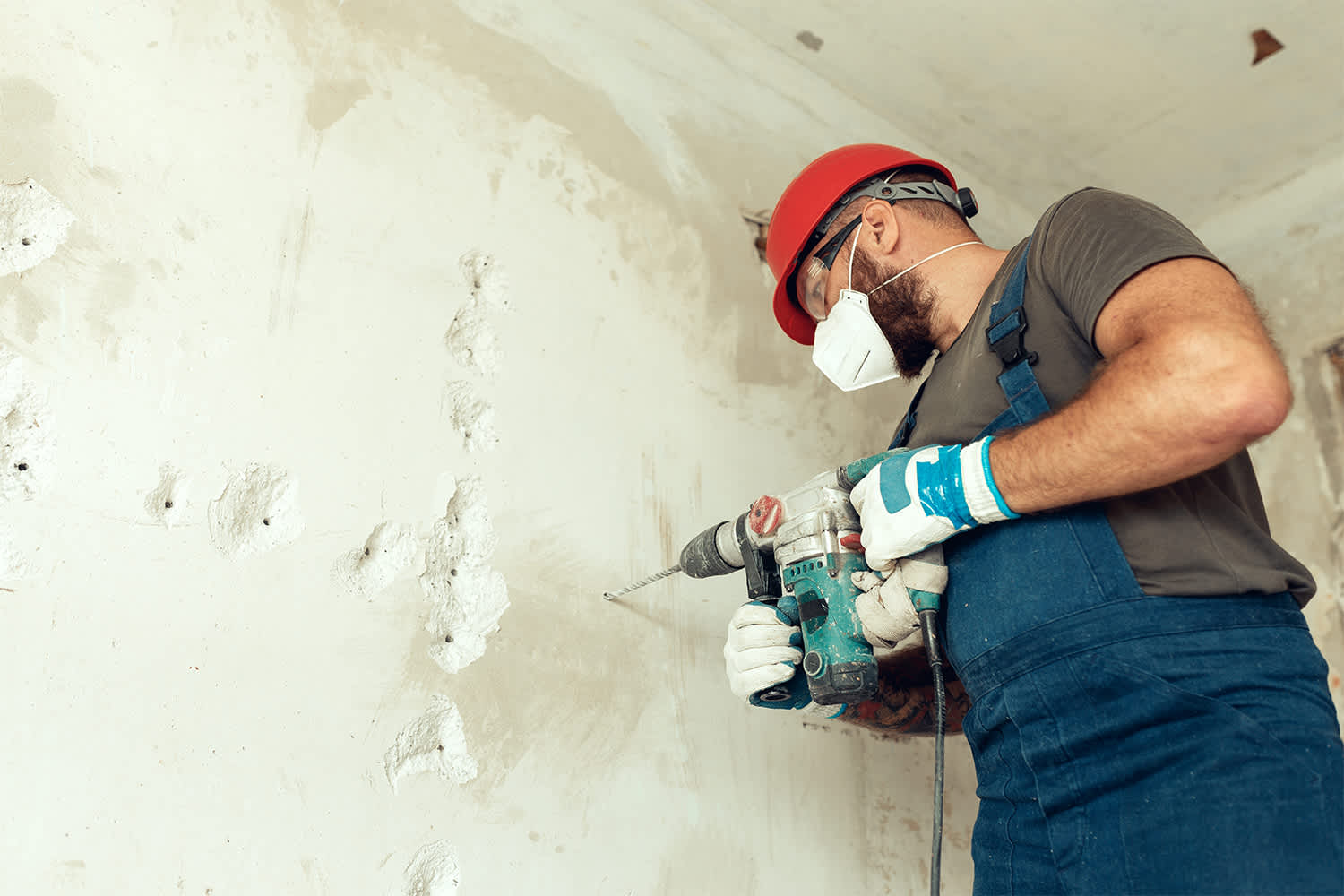
Time to get rid of that old chipped and crumbling walkway? Concrete removal costs can add up, but you have options to simplify the process. Learn more here.
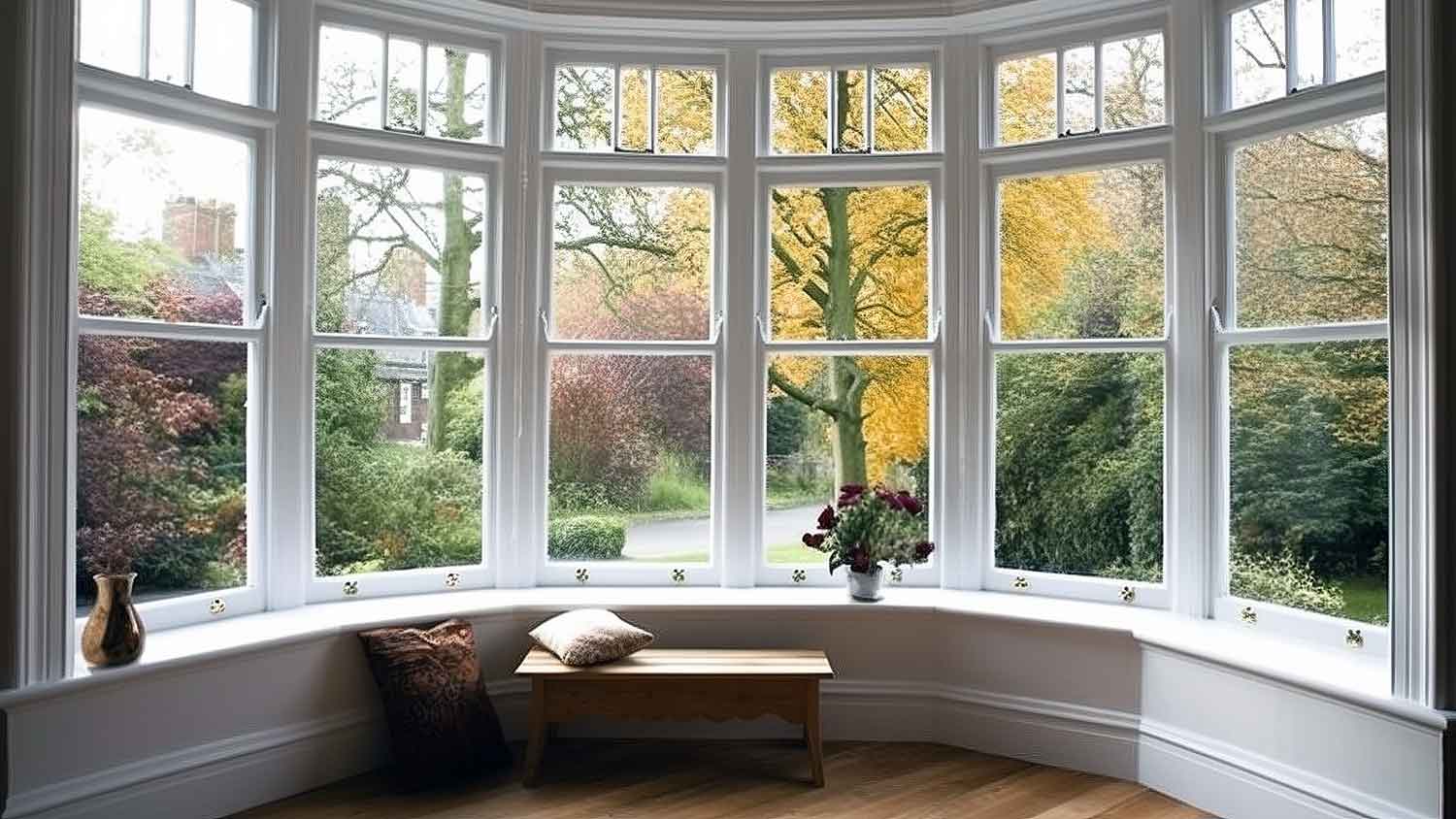
Considering a bow window for your dream reading nook? Find out everything you need to know about bow window prices, permit and labor costs, and more.
Not sure what type of concrete is best for your project? Learn about the differences between fiber concrete versus rebar-reinforced to get started.
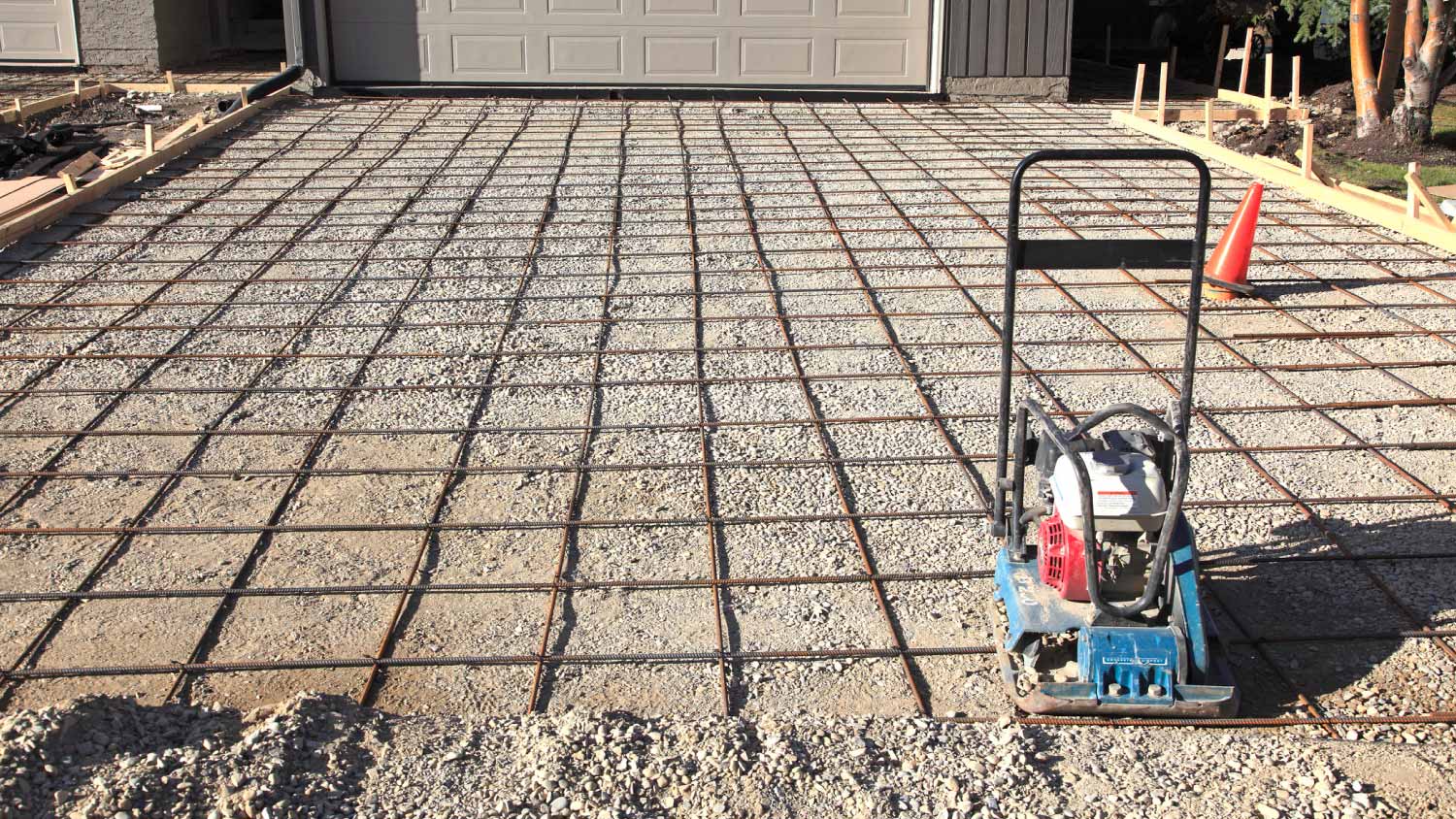
How much rebar do I need? This calculator will help you estimate for your concrete project so that you can map out your materials and budget.
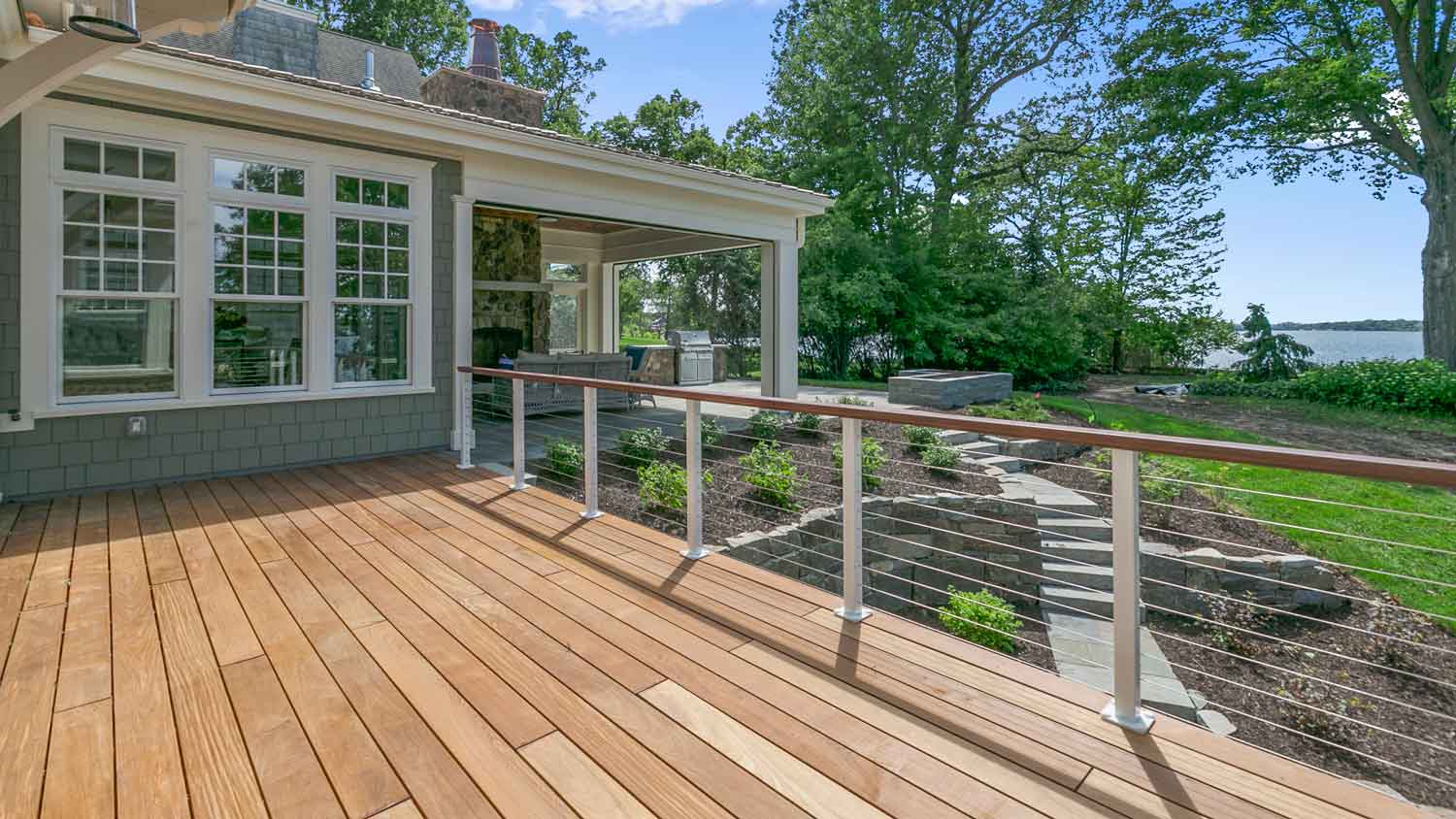
Footings act as your deck’s base, making sure it’s safe and sturdy. However, not all footings are the same. Here’s how five types of deck footings compare.